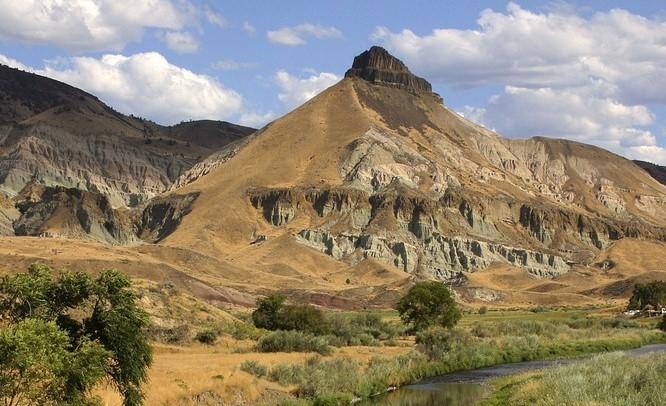
Sheep Rock, with the John Day River in the foreground
Photo: NPS Photo / Sue Anderson
About
Large rhino-like brontotheres roam a semitropical forest. Dog-sized, three-toed horses dart between the trees. The cat-like nimravid and bear dogs stalk their prey. The climate cools and forests alter to dryer grasslands. Saber tooth cats and camels get replaced by mountain lions and deer. Paleontologists learn more about the ancient animals and environment with every new fossil they discover.
Activities
HikingFront-Country HikingJunior Ranger ProgramPark FilmMuseum ExhibitsBookstore and Park Store
Directions
John Day Fossil Beds encompasses 14,000 acres in three geographically separated units in Oregon: Sheep Rock Unit, Painted Hills Unit, and Clarno Unit. The Sheep Rock Unit is located between the towns of Dayville and Kimberly. The Painted Hills Unit is located 9 miles northwest of of the town of Mitchell. The Clarno Unit is located on Highway 218 twenty miles west of the town of Fossil.
Get directions →Weather
Weather conditions at John Day Fossil Beds National Monument are highly variable in this semi-arid desert landscape. Summer highs can climb into the 110's. Winters tend to be fairly mild, with occassional snow and ice and lows occasionally dipping into the single digits.
News
Aug 6, 2026
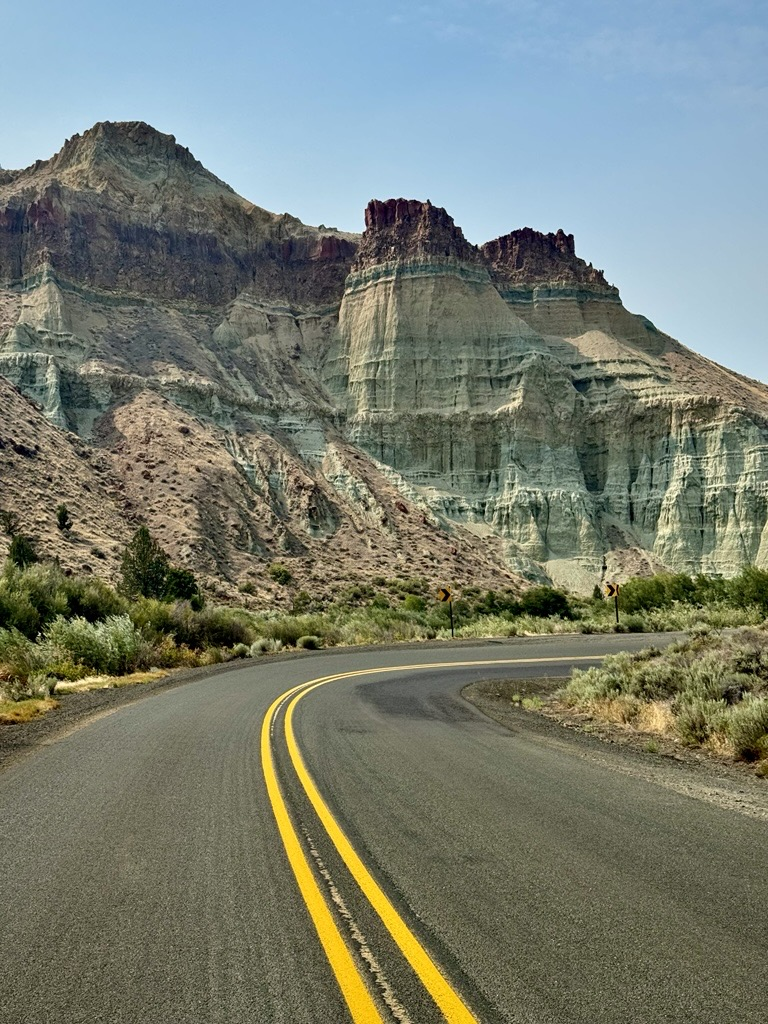
John Day Fossil Beds National Monument Reopens After Fires
John Day Fossil Beds National Monument has reopened all three units of the park after multiple wildfires.
Jun 11, 2026
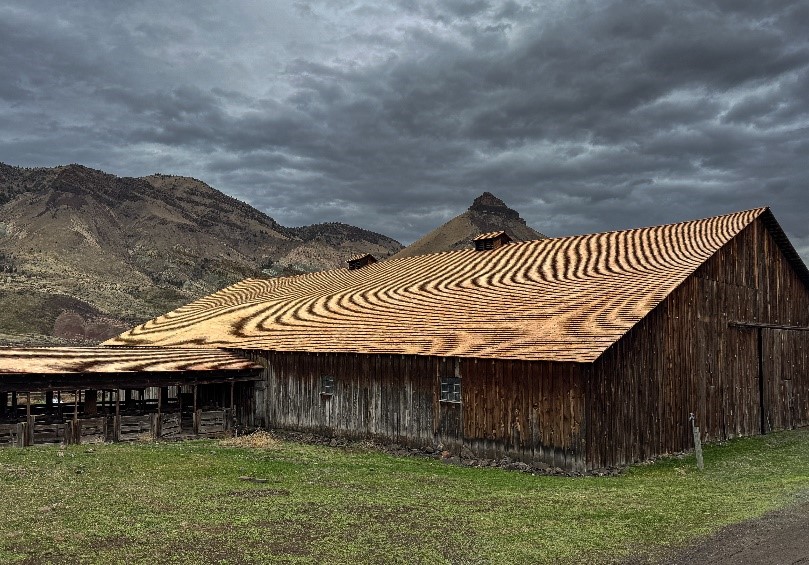
Great American Outdoors Act Funding Restores Historic Cant Ranch Barn and Shearing Shed
The legacy of early European settlers to the John Day Basin is being safeguarded. Supported by the Great American Outdoors Act Legacy Restoration Fund signed by President Donald J. Trump in 2020, the roofs of the historic Cant barn and shearing shed were restored.