Explore All Parks
National Historical Park
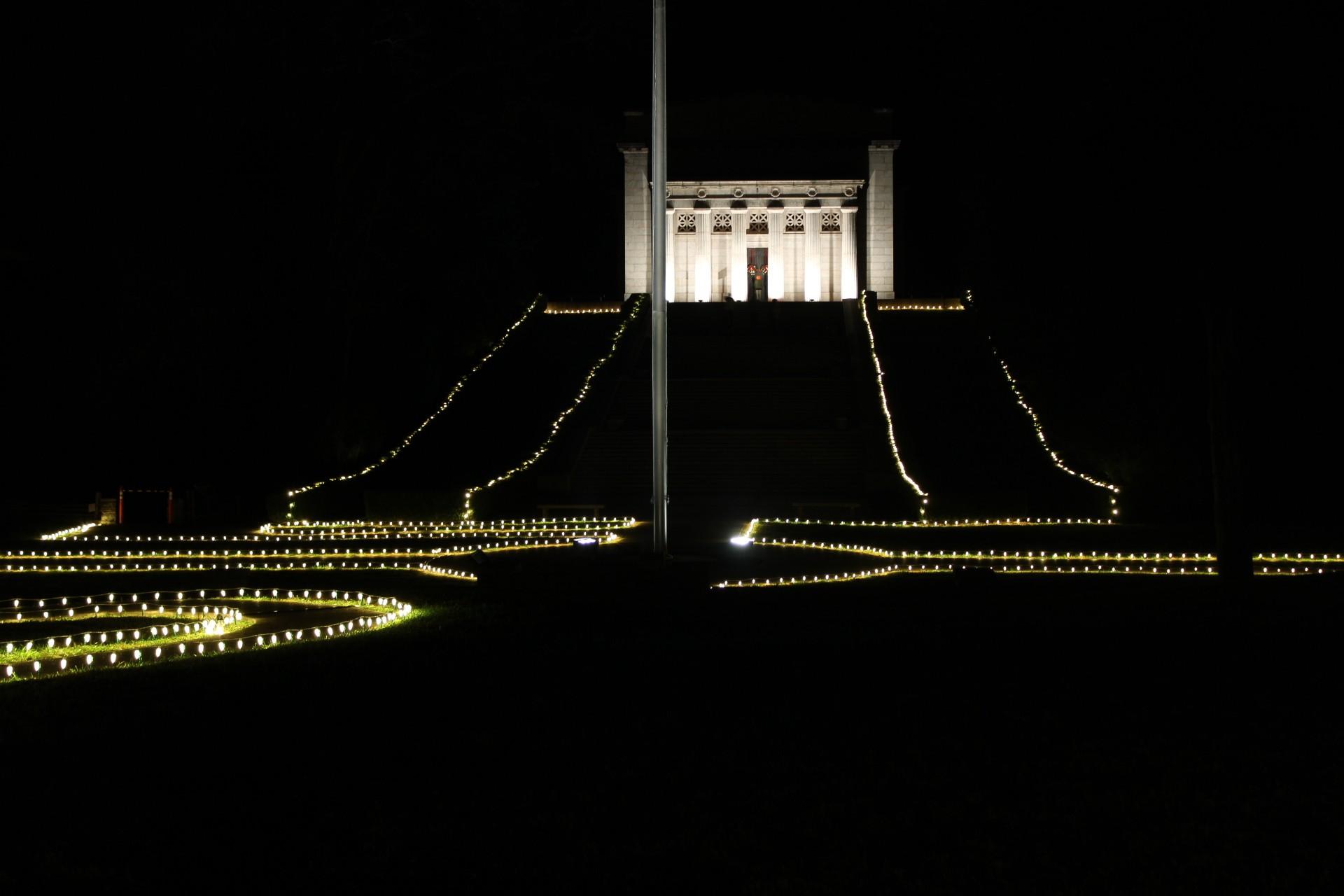
Abraham Lincoln Birthplace National Historical Park
For over a century people from around the world have come to rural Central Kentucky to honor the humble beginnings of our 16th president, Abraham Lincoln. His early life on Kentucky's frontier shaped his character and prepared him to lead the nation through Civil War. Visit our country's first memorial to Lincoln, built with donations from young and old, and the site of his childhood home.
National Park
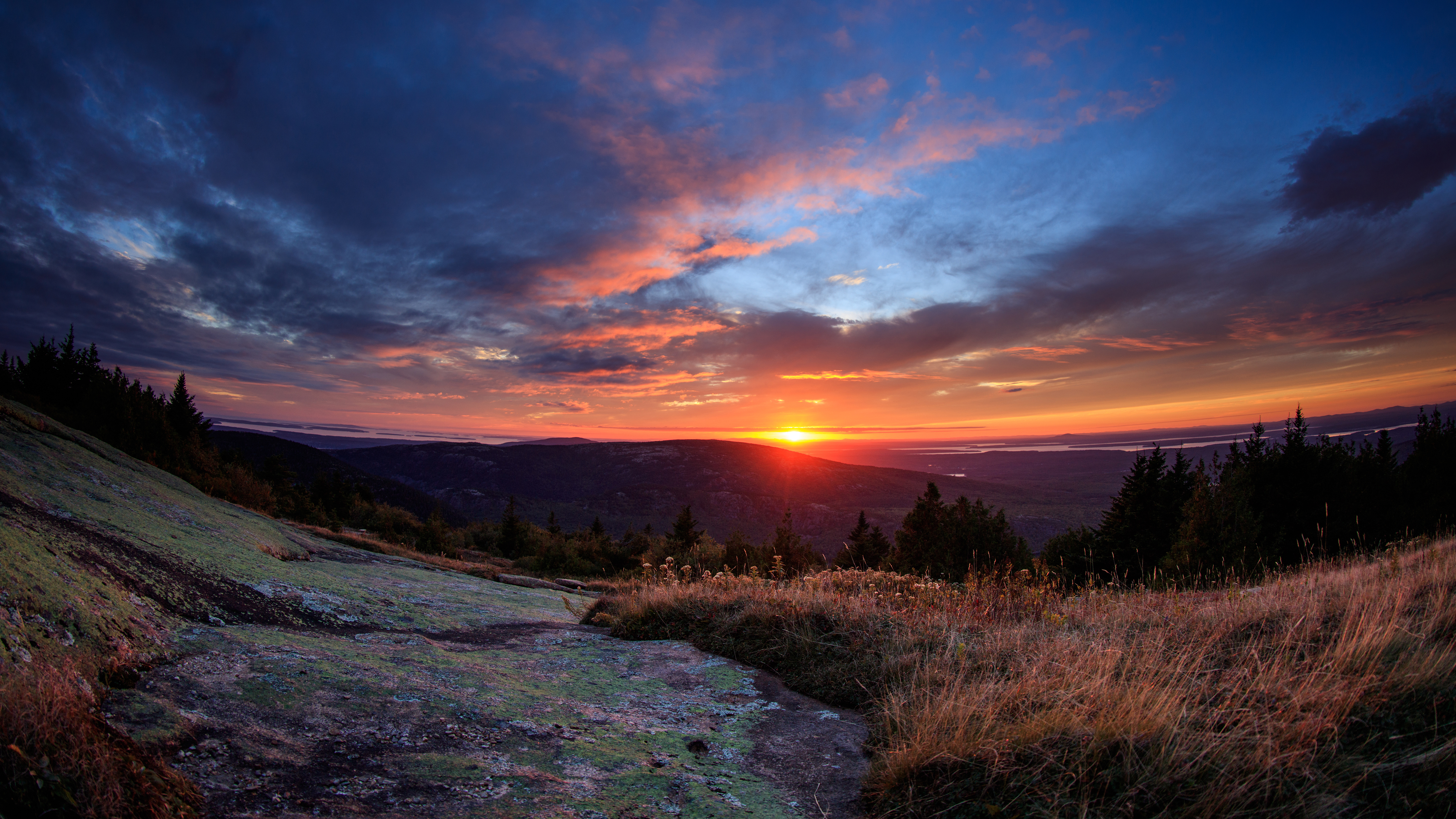
Acadia National Park
Acadia National Park protects the natural beauty of the highest rocky headlands along the Atlantic coastline of the United States, an abundance of habitats, and a rich cultural heritage. At 4 million visits a year, it's one of the top 10 most-visited national parks in the United States. Visitors enjoy 27 miles of historic motor roads, 158 miles of hiking trails, and 45 miles of carriage roads.
National Historical Park
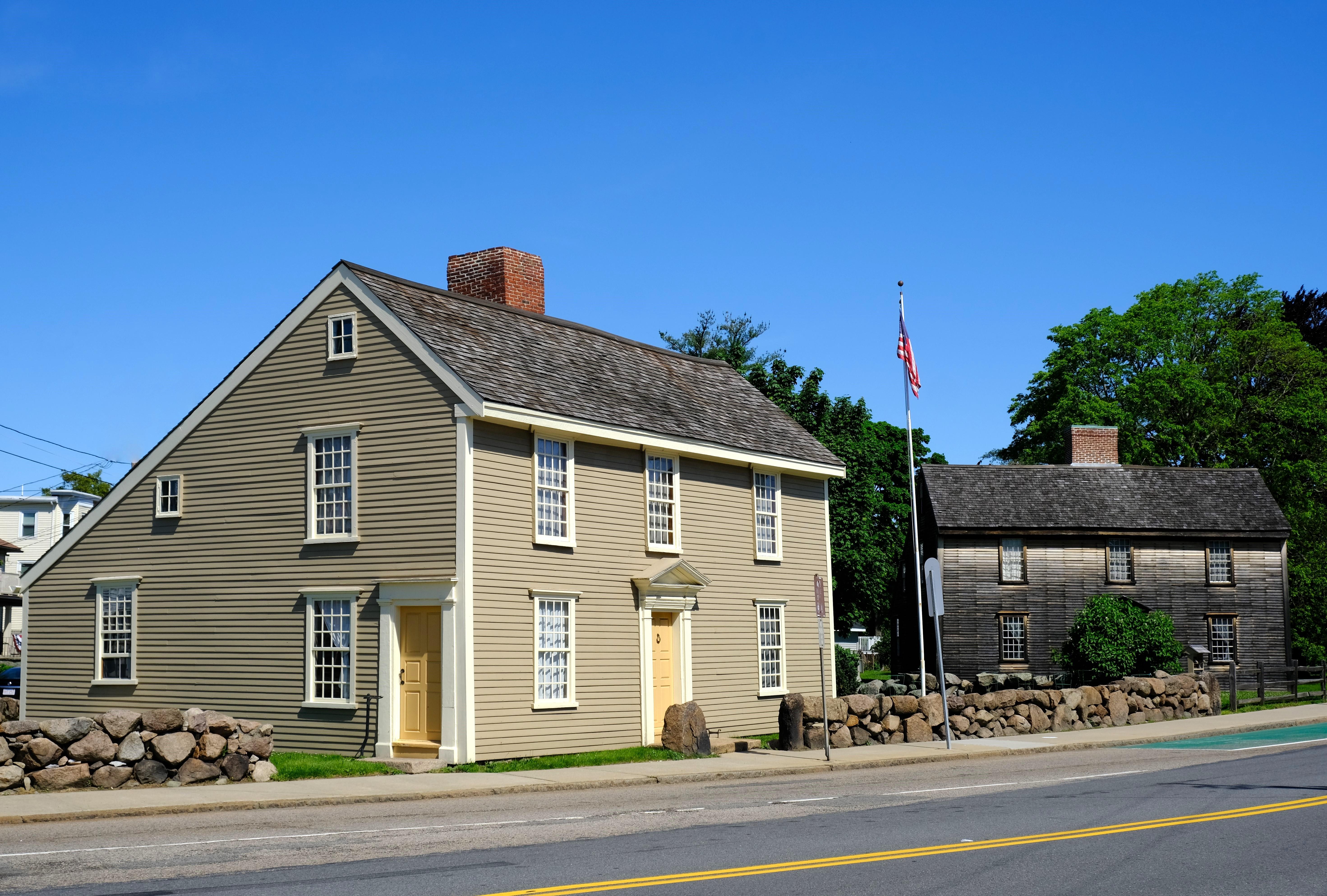
Adams National Historical Park
From the sweet little farm at the foot of Penn’s Hill to the gentleman’s country estate at Peace field, Adams National Historical Park is the story of “heroes, statesmen, philosophers…and learned women” whose ideas and actions helped to transform thirteen disparate colonies into one united nation.
Park
African American Civil War Memorial
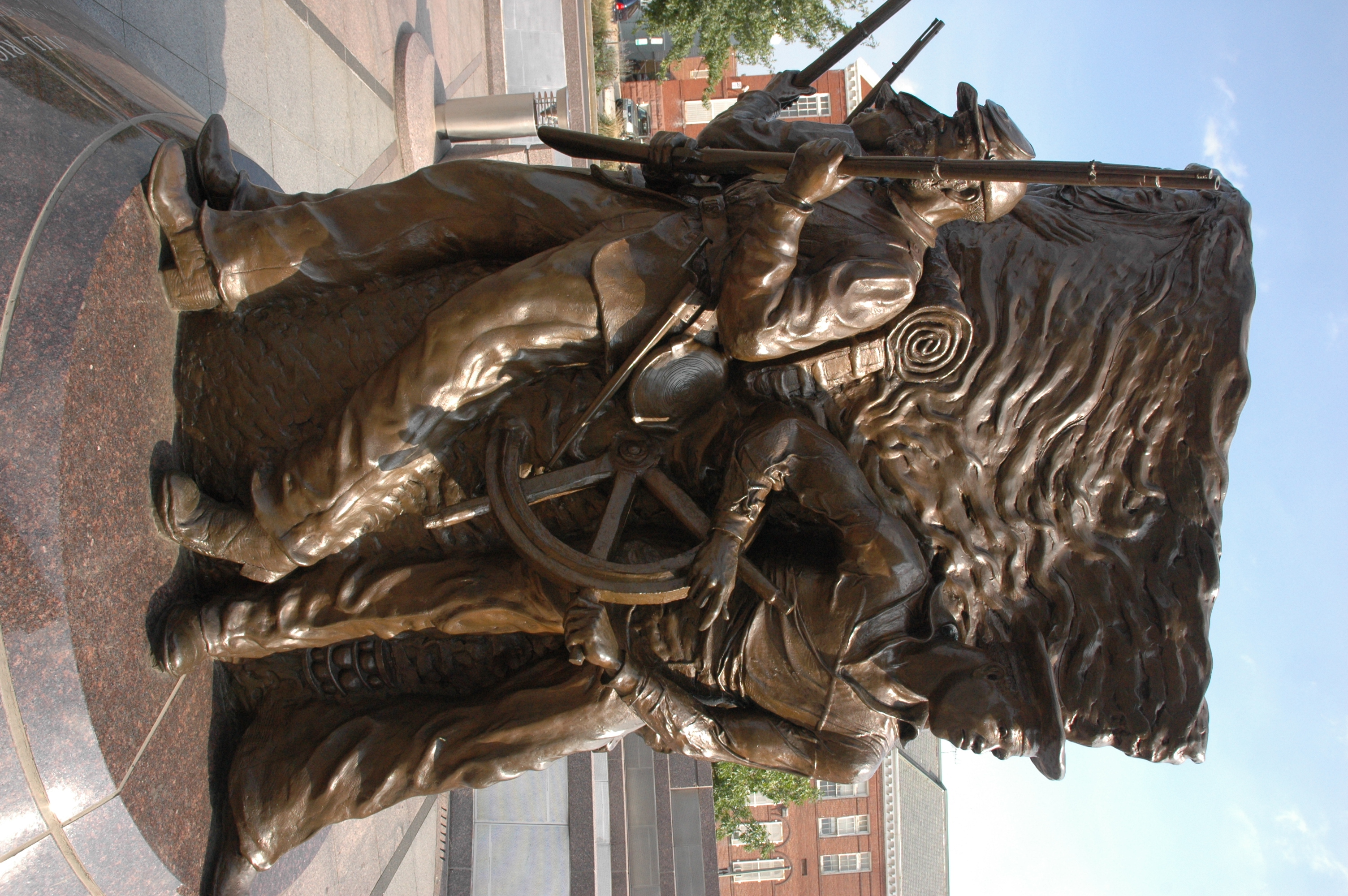
Over 200,000 African-American soldiers and sailors served in the U.S. Army and Navy during the Civil War. Their service helped to end the war and free over four million slaves. The African American Civil War Memorial honors their service and sacrifice.
National Monument
African Burial Ground National Monument
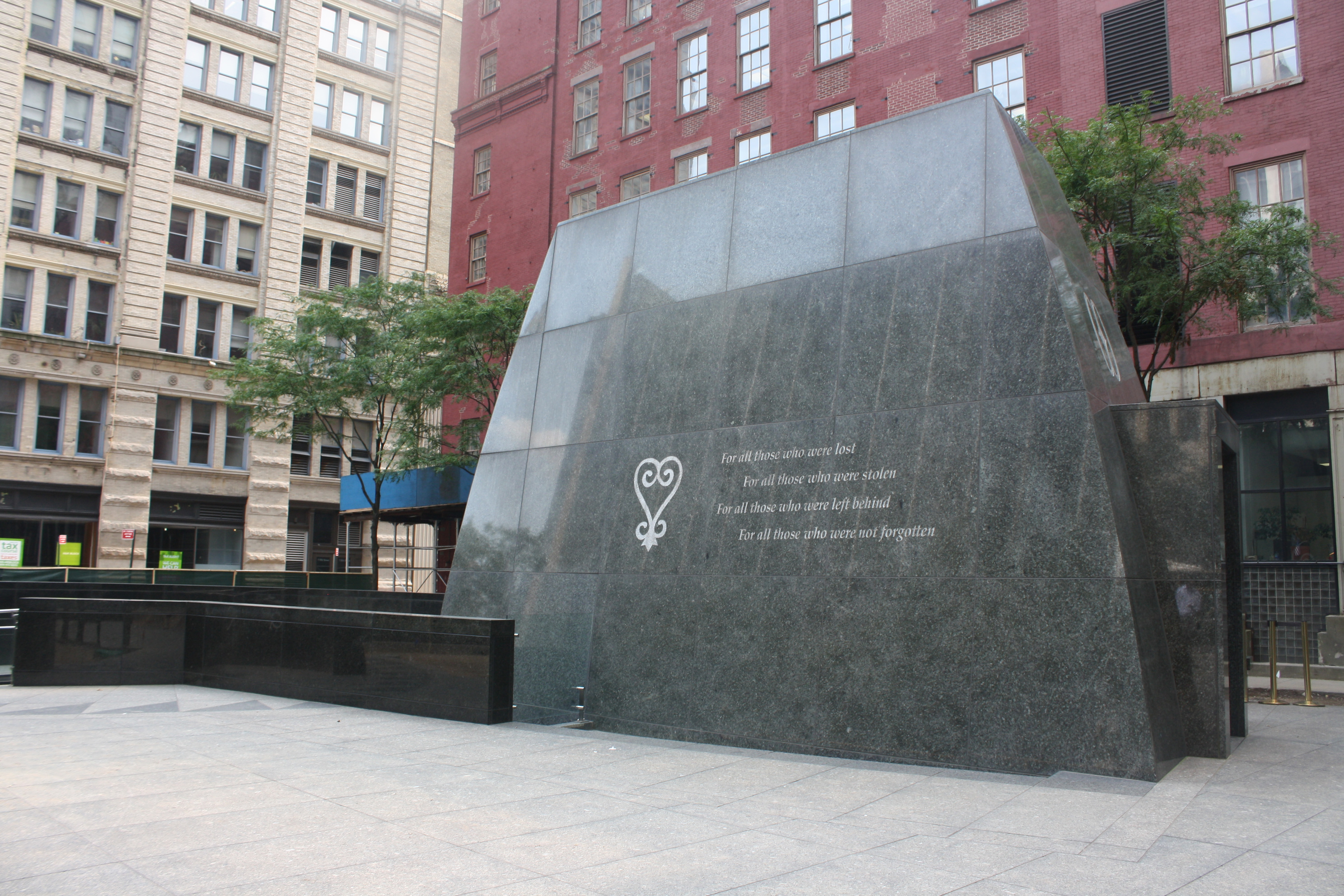
The African Burial Ground stands as the oldest and largest known excavated burial site in North America for both free and enslaved Africans. It offers a profound testament to the enduring legacy of African communities whose labor, resilience, and cultural contributions were fundamental in shaping the development of New York.
National Monument
Agate Fossil Beds National Monument
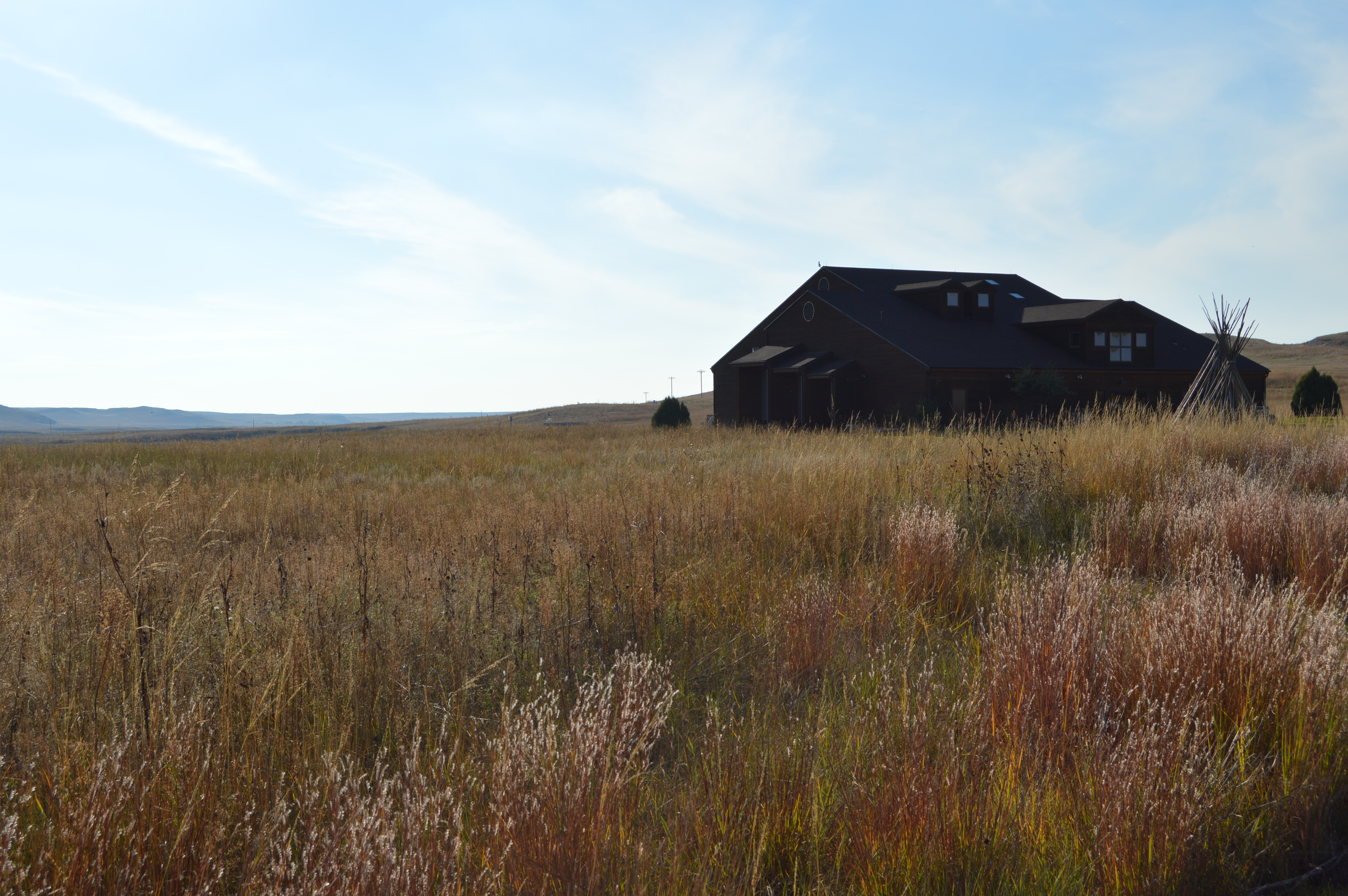
In the early 1900s, paleontologists unearthed the Age of Mammals when they found full skeletons of extinct Miocene mammals in the hills of Nebraska -- species previously only known through fragments. At the same time, an age of friendship began between rancher James Cook and Chief Red Cloud of the Lakota. These two unprecedented events are preserved and protected here... at Agate Fossil Beds.
Wild River
Alagnak Wild River
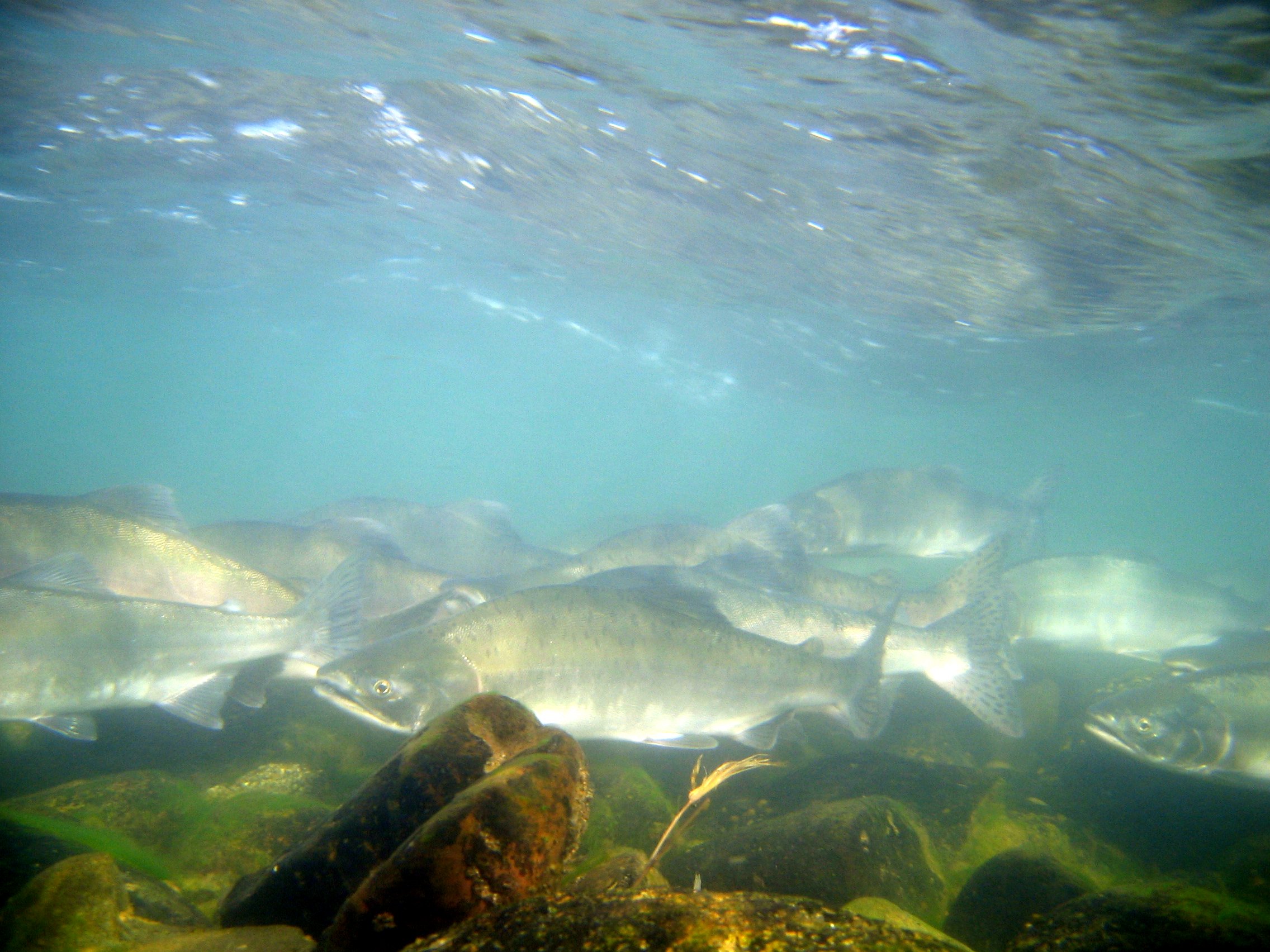
The headwaters of Alagnak Wild River lie within the rugged Aleutian Range of neighboring Katmai National Park and Preserve. Meandering west towards Bristol Bay and the Bering Sea, the Alagnak traverses the beautiful Alaska Peninsula, providing an unparalleled opportunity to experience the unique wilderness, wildlife, and cultural heritage of southwest Alaska.
Park
Alaska Public Lands
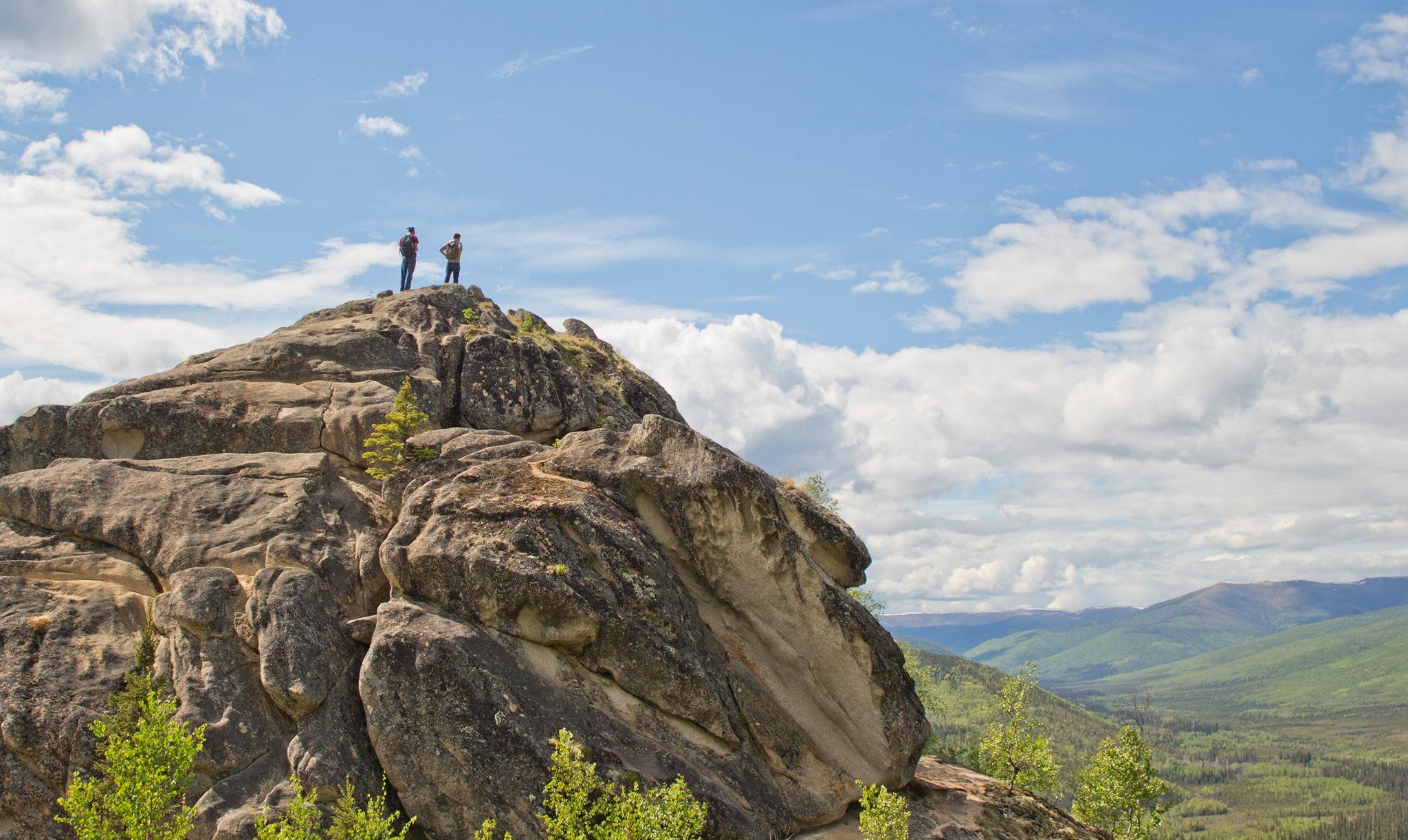
Alaska’s parks, forests, and refuges are rich and varied. The Alaska Public Lands Information Centers help visitors and residents to have meaningful, safe, enjoyable experiences on public lands, and encourages them to sustain the natural and cultural resources of Alaska. These centers provide trip-planning, interpretation, and education for all ages.
Park
Alcatraz Island
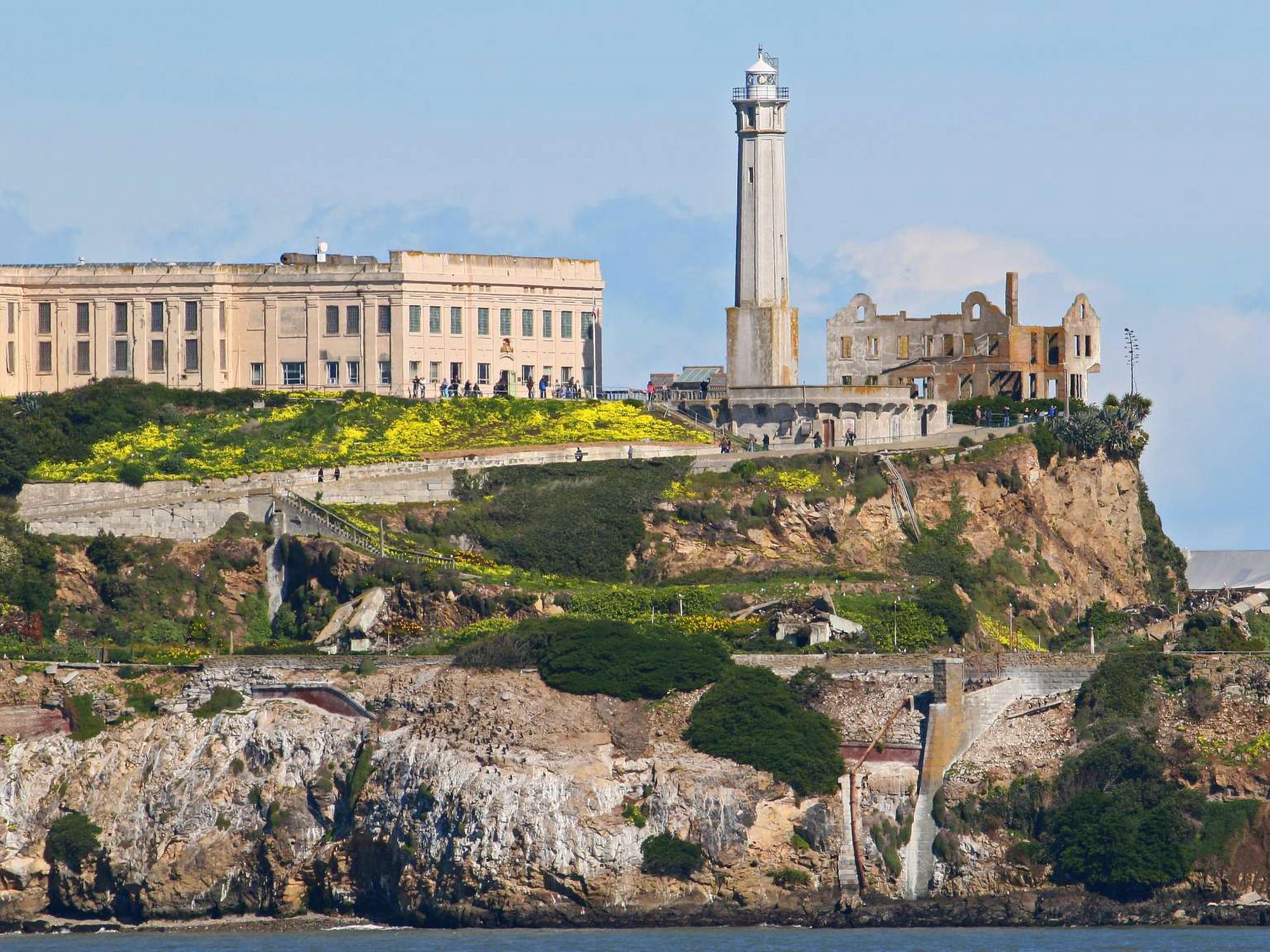
Alcatraz reveals stories of American incarceration, justice, and our common humanity. This small island was once a fort, a military prison, and a maximum security federal penitentiary. In 1969, the Indians of All Tribes occupied Alcatraz for 19 months in the name of freedom and Native American civil rights. We invite you to explore Alcatraz's complex history and natural beauty.
National Historic Area
Aleutian Islands World War II National Historic Area
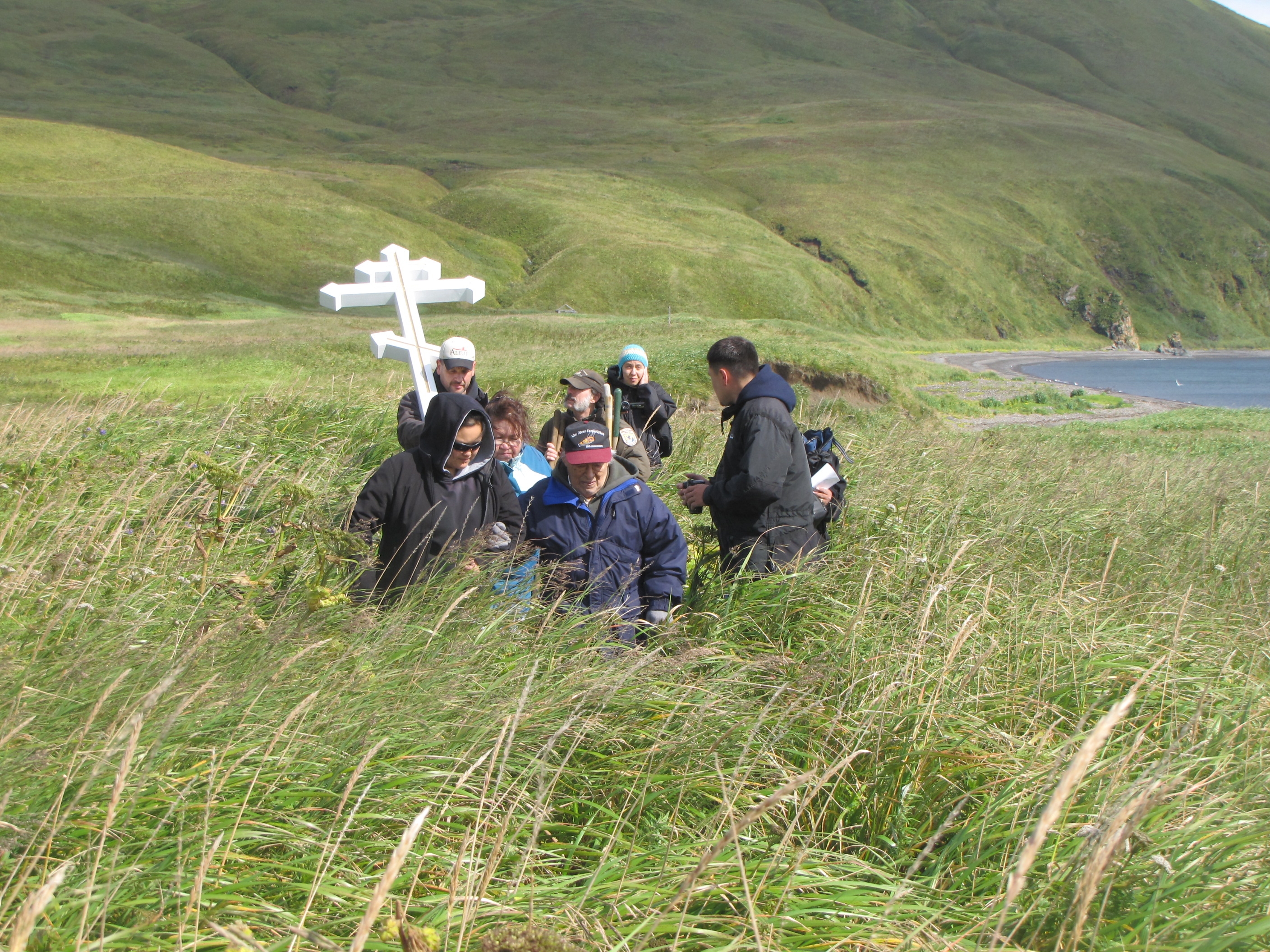
The remote Aleutian Islands, home to the Unangax̂ (Aleut) people for over 8,000 years, became a fiercely contested Pacific battleground in World War II. Some Unangax̂ were taken from their homelands as Japanese prisoners of war while the others were evacuated from the islands by the government. Both groups suffered greatly during the war, and some would never return to their villages.
National Monument
Alibates Flint Quarries National Monument
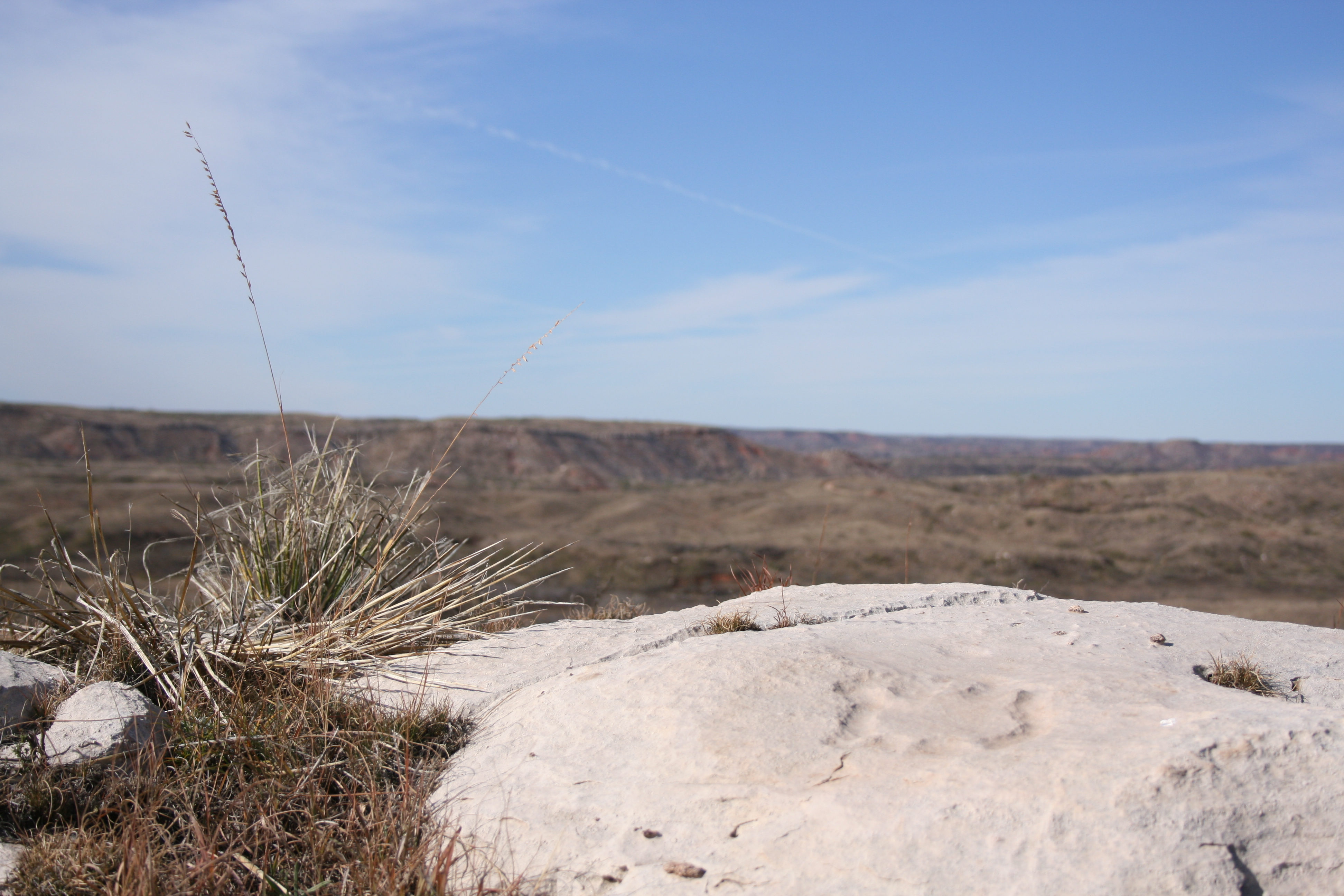
13,000 years ago, Alibates Flint was used by mammoth hunters as a source of flint for tools. Learn how important this site was to the survival, commerce, and culture of the people of the High Plains.
National Historic Site
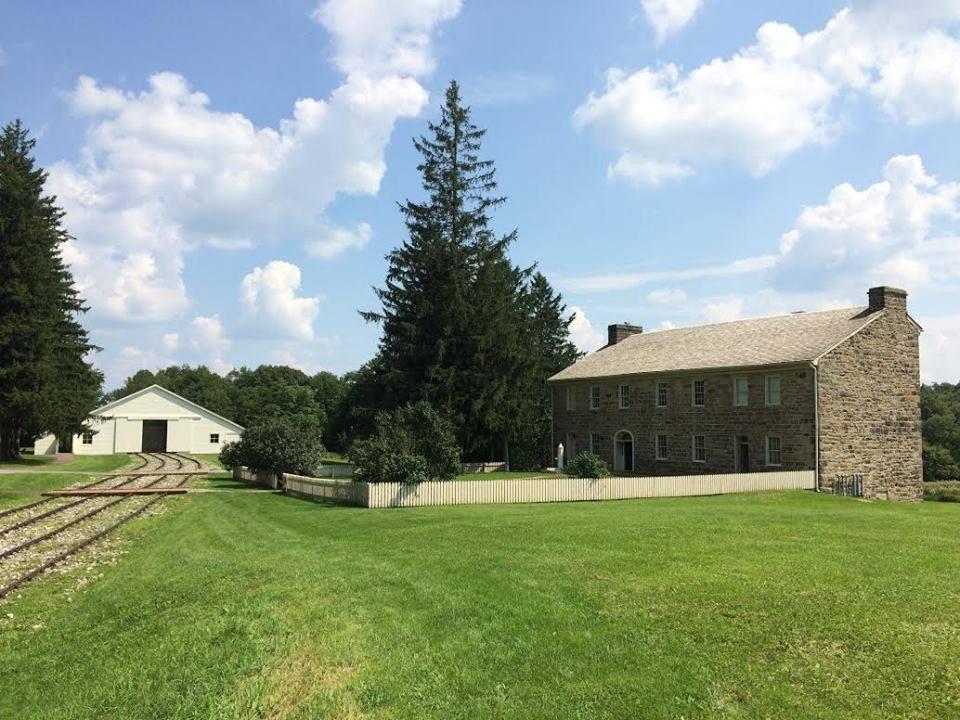
Allegheny Portage Railroad National Historic Site
The first railroad to cross the Allegheny Mountains, the Allegheny Portage Railroad was the final piece of the Pennsylvania Main Line Canal. "The Portage" opened in 1834, marking the first time that there was one, direct route between Philadelphia and Pittsburgh. All things to all people, it served merchants, passengers, slaves in pursuit of freedom, and soldiers from the Mexican War.
National Historic Site
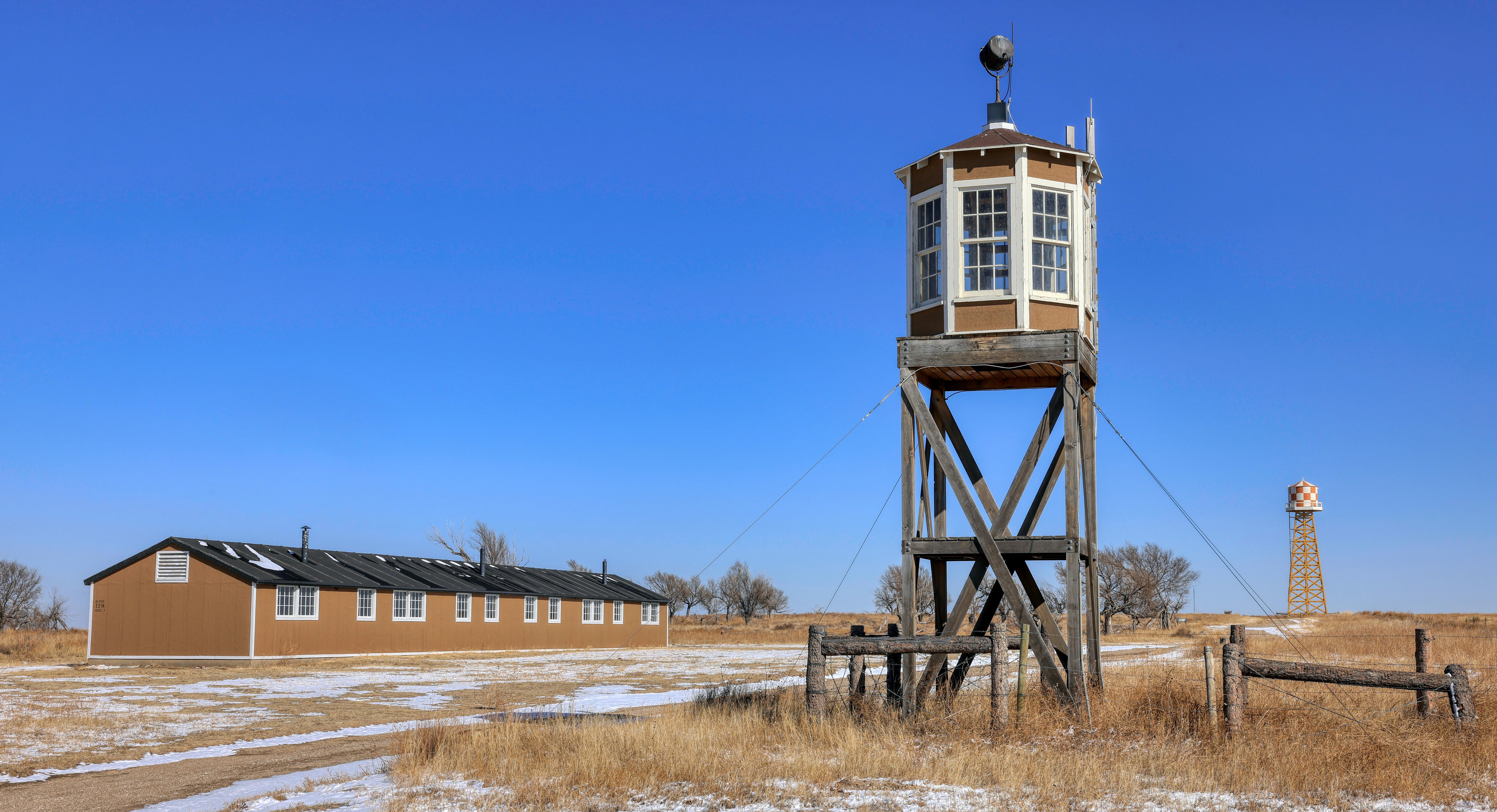
Amache National Historic Site
Amache, also known as the Granada Relocation Center, near Granada, Colorado was one of ten incarceration sites established by the War Relocation Authority during World War II to unjustly incarcerate Japanese Americans. Over 10,000 people, most American citizens, were incarcerated at Amache from 1942 to 1945.
National Recreation Area
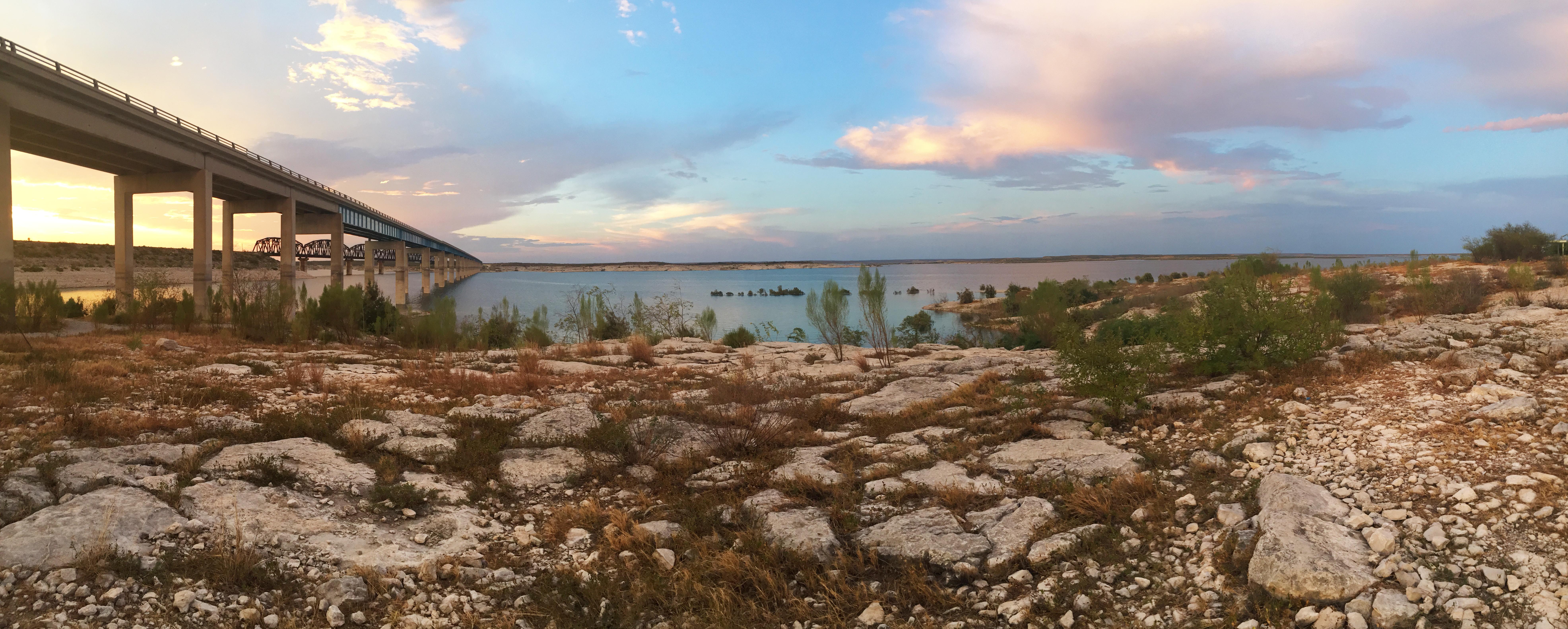
Amistad National Recreation Area
An oasis in the desert, Amistad National Recreation Area consists of the US portion of the International Amistad Reservoir. Amistad, a Spanish word meaning "friendship," is known for excellent water-based recreation, camping, hiking, and rich cultural history dating back nearly 5,000 years. Amistad is also home to a wide variety of plant and animal life both above and below the water.
National Historic Site
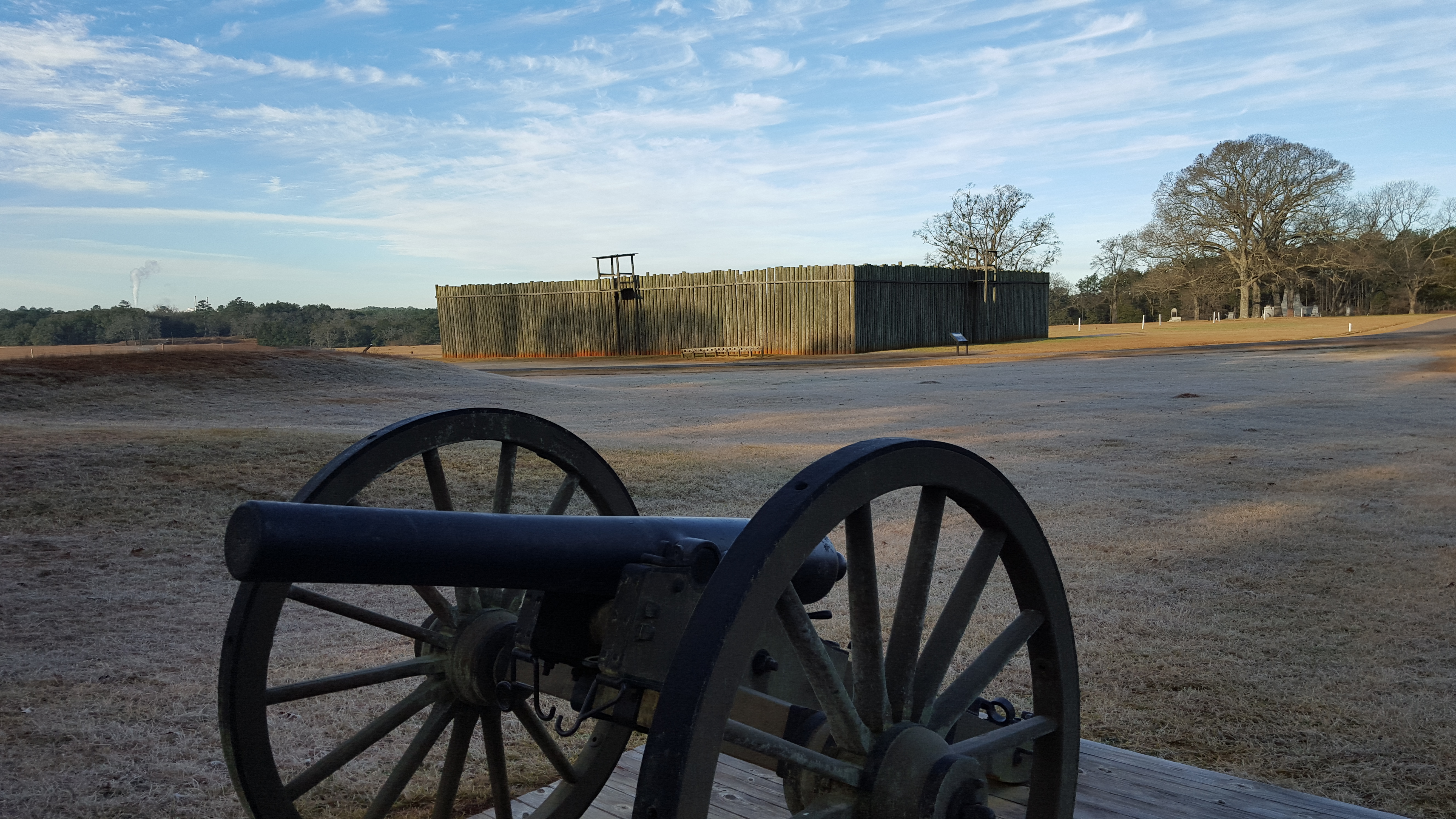
Andersonville National Historic Site
Nearly 13,000 men died on these grounds, a site that became infamous even before the Civil War ended. Their burial grounds became Andersonville National Cemetery, where veterans continue to be buried today. This place, where tens of thousands suffered captivity so others could be free, is also home to the National Prisoner of War Museum and serves as a memorial to all American prisoners of war.
National Historic Site
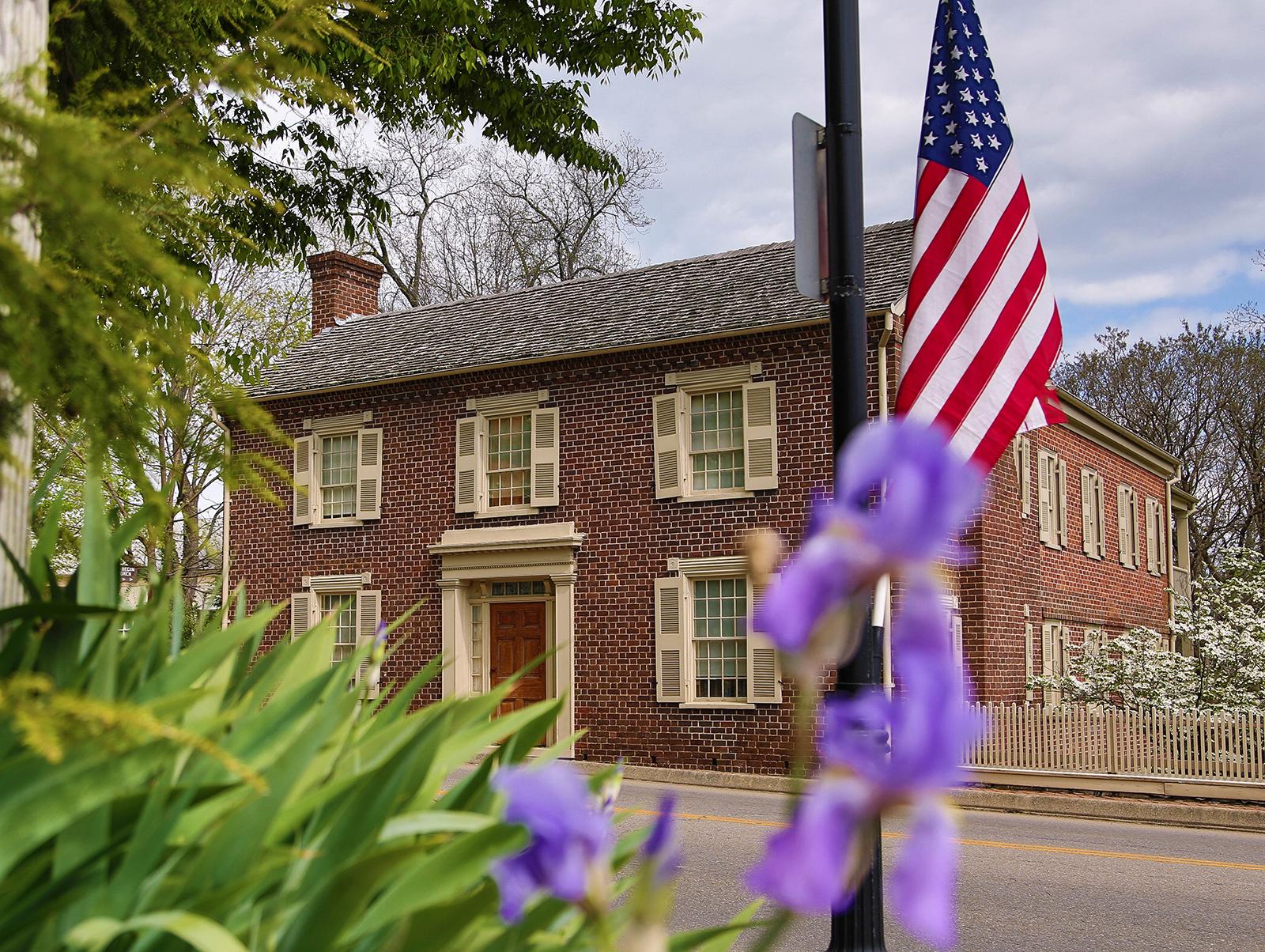
Andrew Johnson National Historic Site
Andrew Johnson's complex presidency (1865-69) illustrates the Constitution at work following the Civil War. As the President and Congress disagreed on Reconstruction methods, the Constitution served as their guide on balance of powers, vetoes, and impeachment. In the end, it evolved as a living document with pivotal amendments on freedom, citizenship, and voting rights - topics still vital today.
National Monument & Preserve
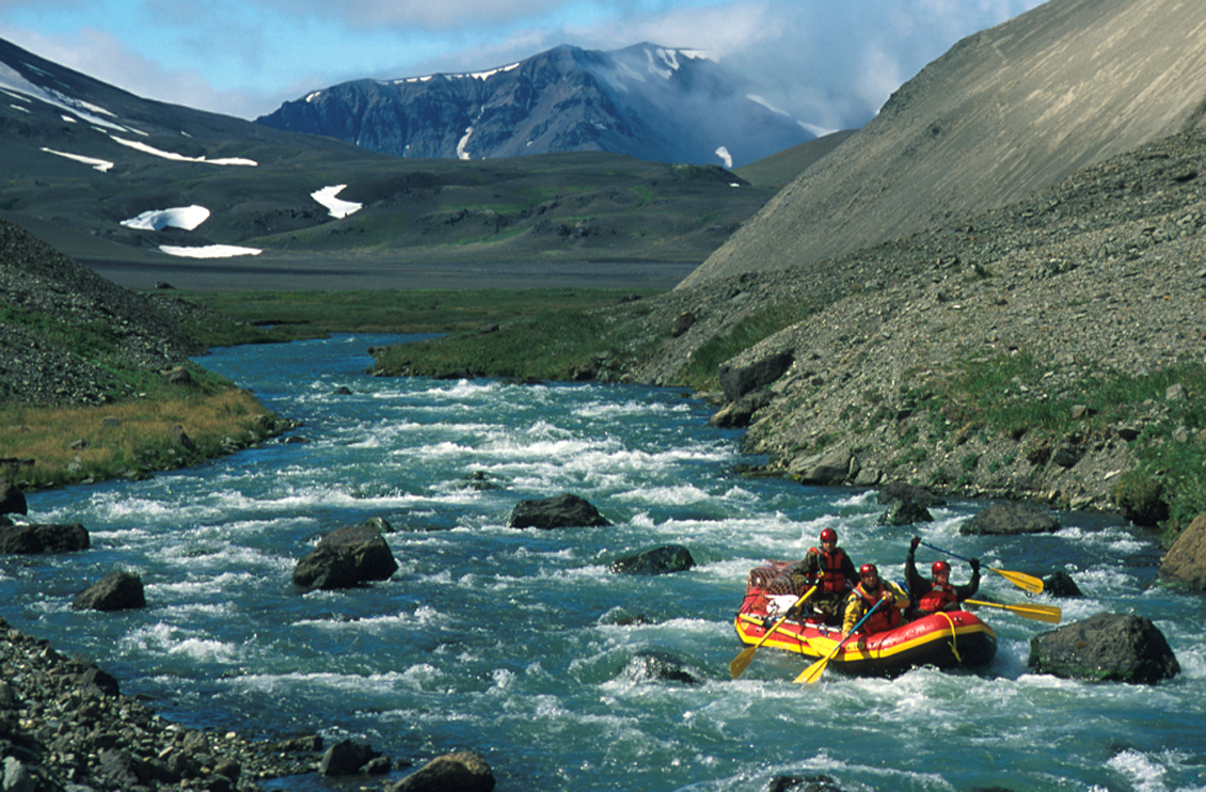
Aniakchak National Monument & Preserve
Given its remote location and challenging weather conditions, Aniakchak is one of the most wild and least visited places in the National Park System. This landscape is a vibrant reminder of Alaska's location in the volcanically active "Ring of Fire," as it is home to an impressive six mile (10 km) wide, 2,500 ft (762 m) deep caldera formed during a massive volcanic eruption 3,500 years ago.
National Battlefield
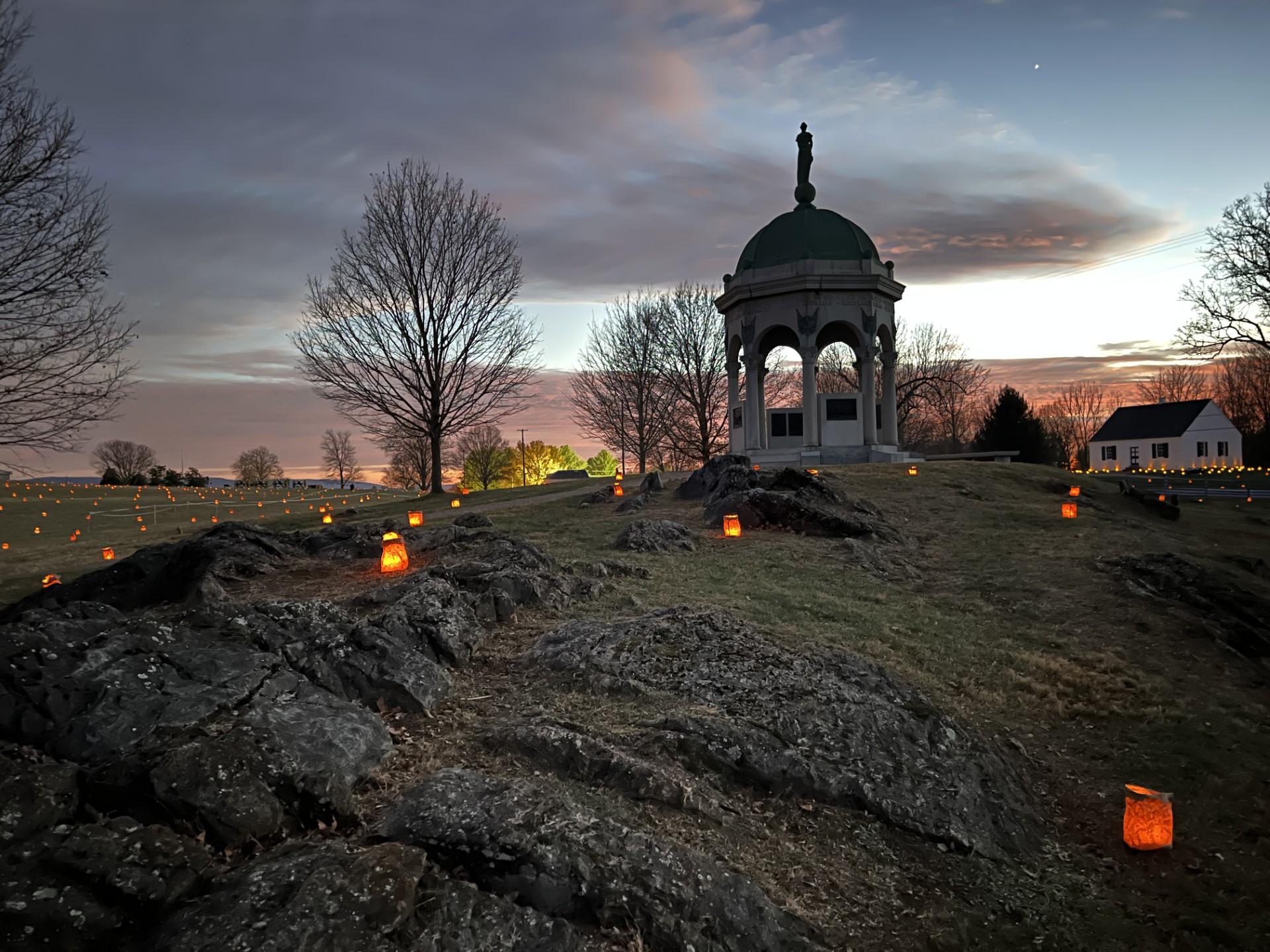
Antietam National Battlefield
23,000 soldiers were killed, wounded or missing after twelve hours of savage combat on September 17, 1862. The Battle of Antietam ended the Confederate Army of Northern Virginia's first invasion into the North and led Abraham Lincoln to issue the preliminary Emancipation Proclamation.
National Lakeshore
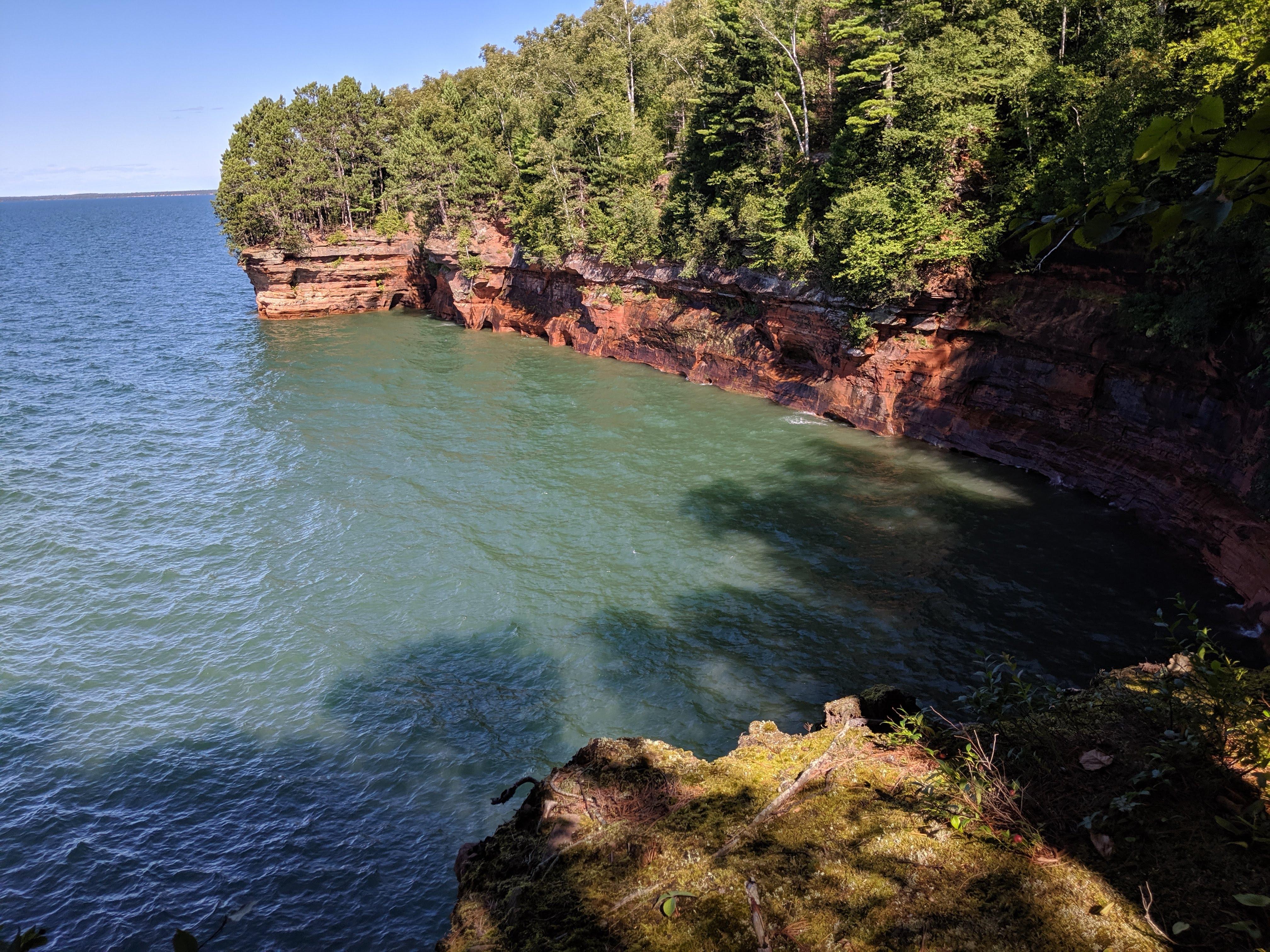
Apostle Islands National Lakeshore
Apostle Islands National Lakeshore, located at the northern tip of Wisconsin's Bayfield Peninsula, features 21 stunning islands, a scenic 12-mile shoreline along Lake Superior, and is located within the ancestral homeland of the Ojibwe people. Established in 1970, the park showcases picturesque sea caves, sandy beaches, and the largest collection of lighthouses in the National Park system.
National Historical Park
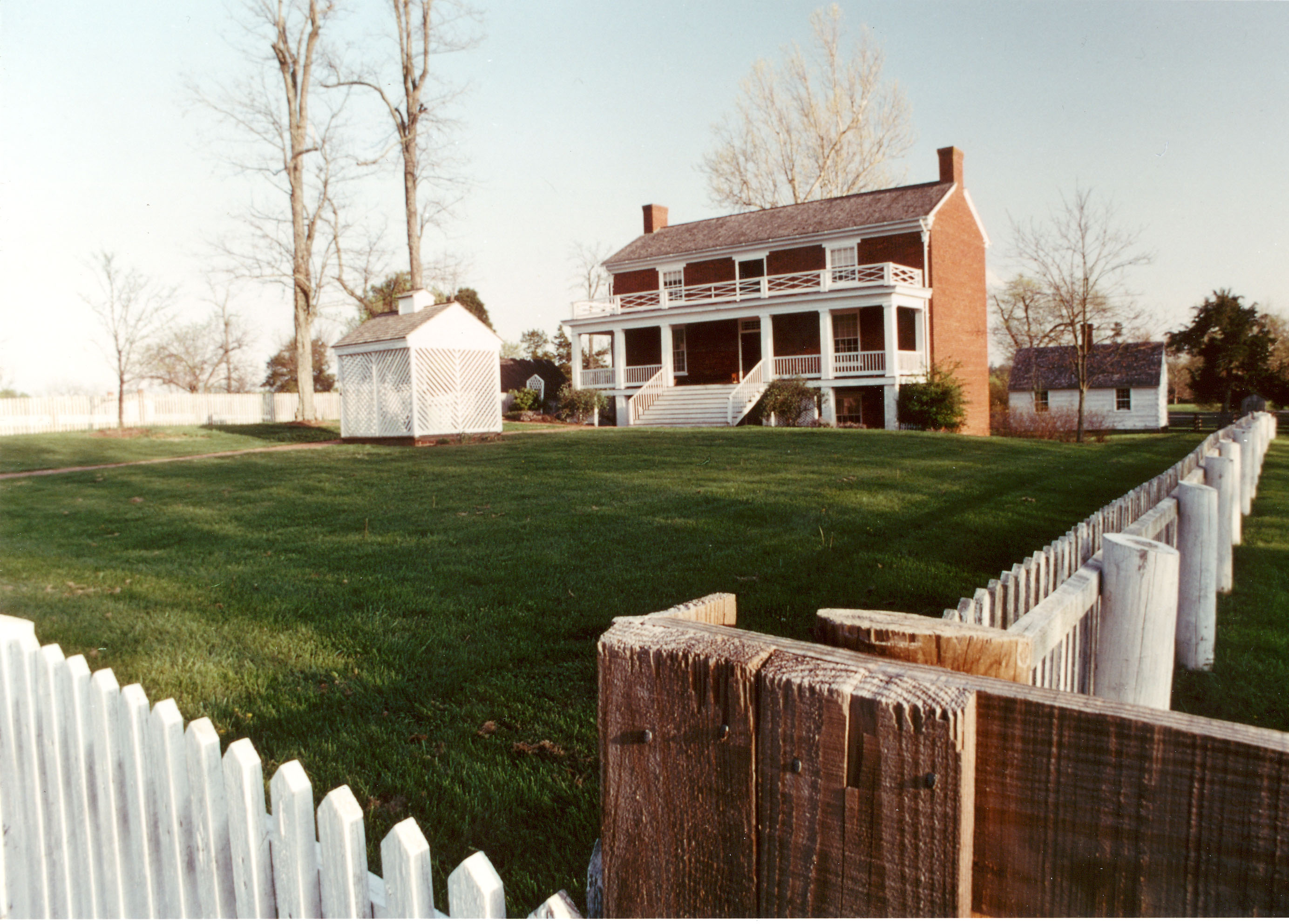
Appomattox Court House National Historical Park
On April 9, 1865, the surrender of the Army of Northern Virginia in the McLean House in the village of Appomattox Court House, Virginia signaled the effective end of the nation's largest war. Questions remained: could the nation reunite as one? How would emancipation be realized?
National Park
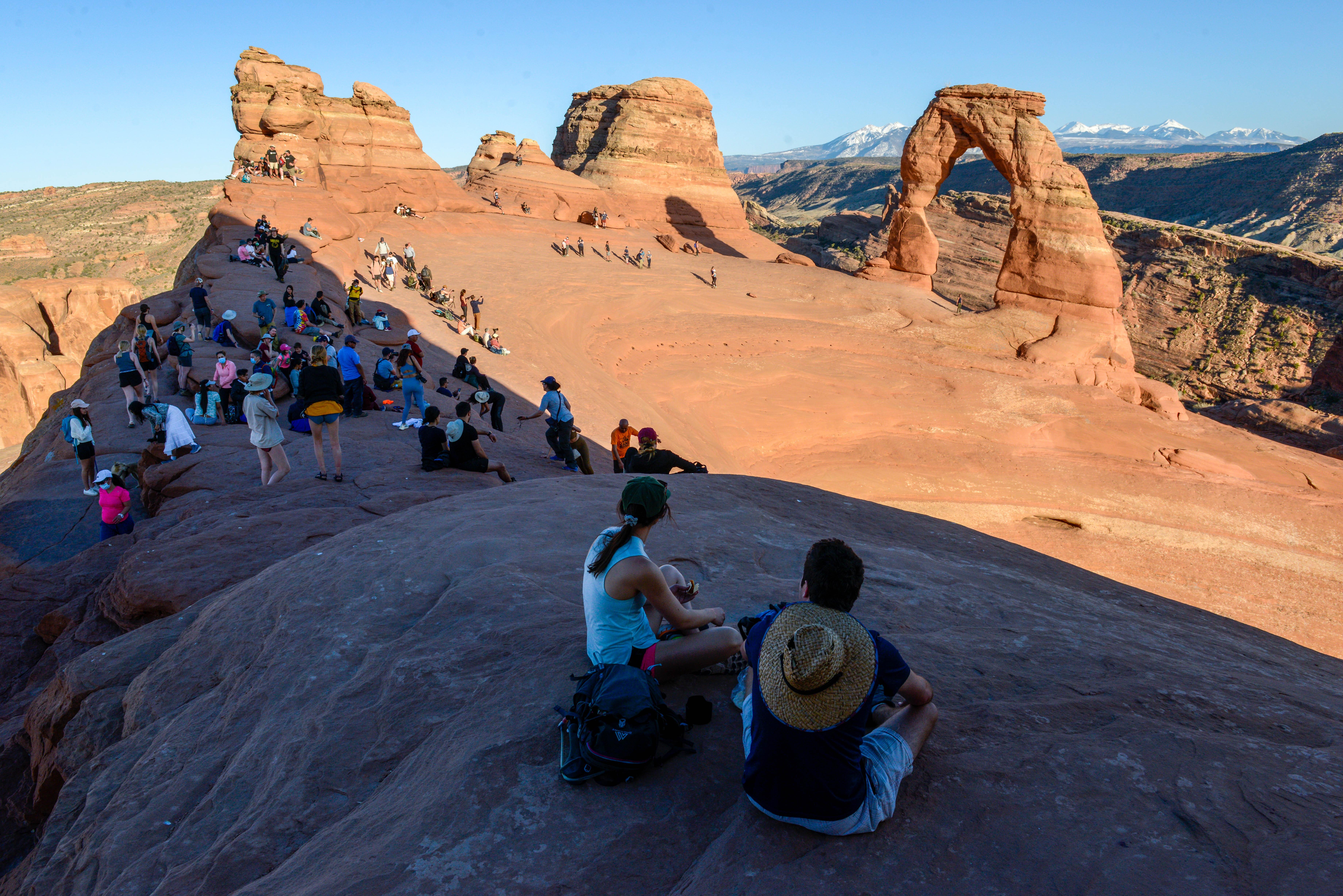
Arches National Park
Discover a landscape of contrasting colors, land forms, and textures unlike any other. The park has over 2,000 natural stone arches, hundreds of soaring pinnacles, massive rock fins, and giant balanced rocks. This red-rock wonderland will amaze you with its formations, refresh you with its trails, and inspire you with its sunsets.
National Memorial
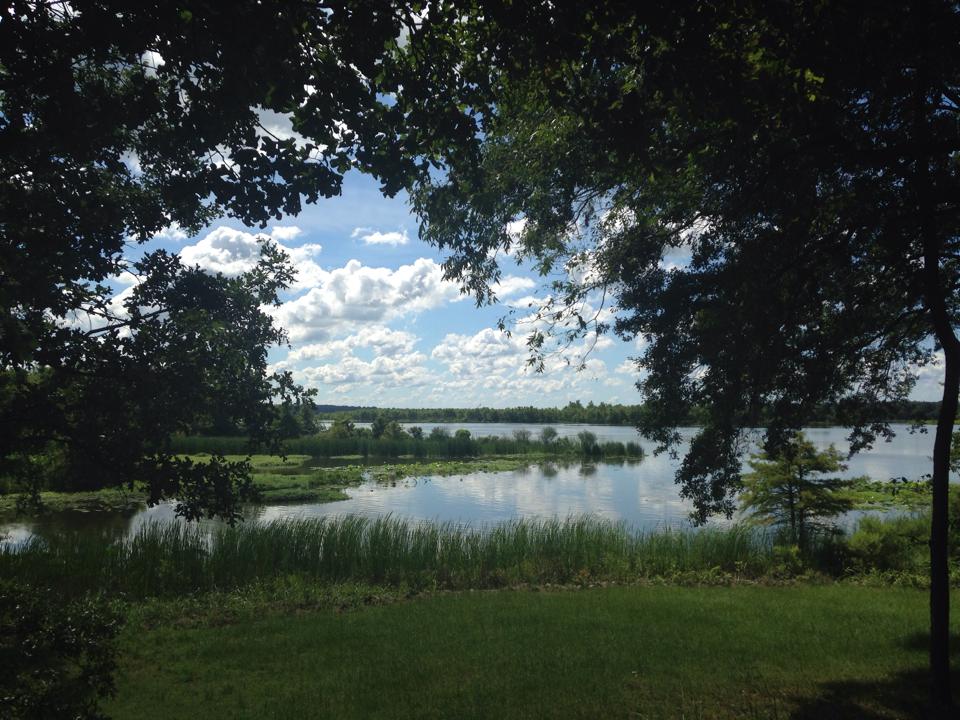
Arkansas Post National Memorial
Located at the confluence of two rivers, Arkansas Post has served as a gathering place for many cultures throughout human history - it represents cultural cooperation, conflict, synthesis, and diversity.
Park
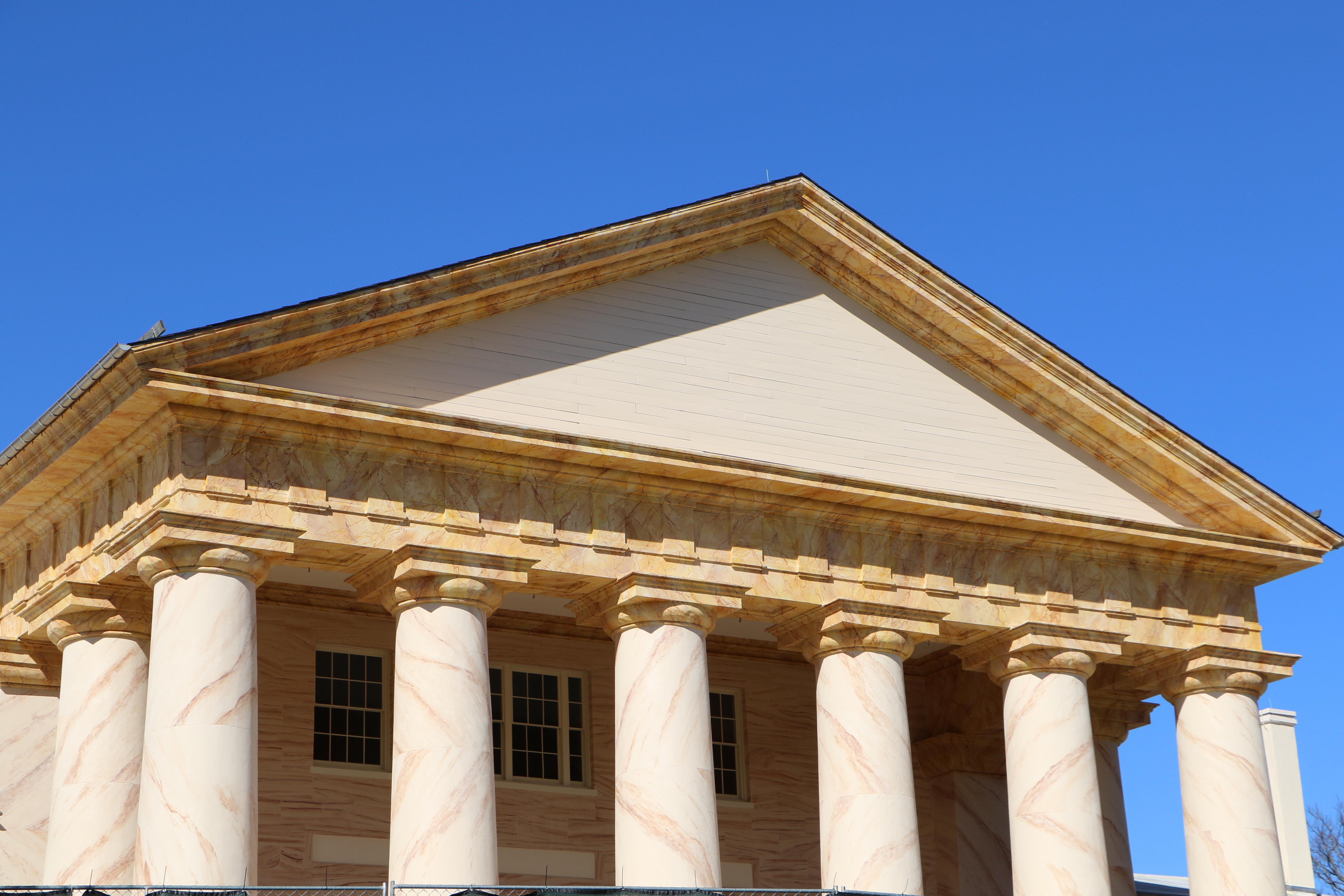
Arlington House, The Robert E. Lee Memorial
Arlington House is the nation’s memorial to Robert E. Lee. It honors him for specific reasons, including his role in promoting peace and reunion after the Civil War. In a larger sense it exists as a place of study and contemplation of the meaning of some of the most difficult aspects of American history: military service; sacrifice; citizenship; duty; loyalty; slavery and freedom.
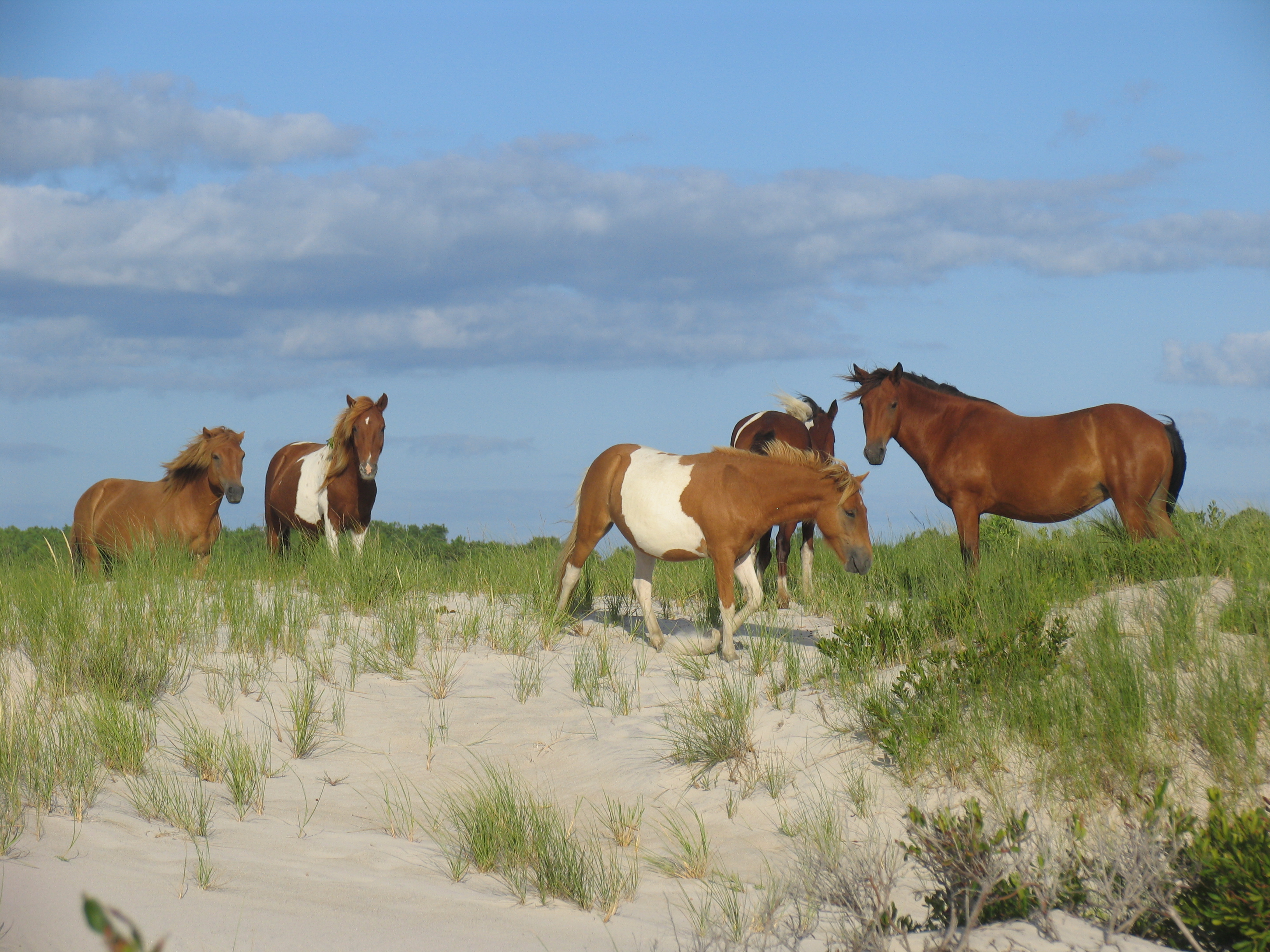
National Seashore
Assateague Island National Seashore
Want to live on the edge? Visit a place recreated each day by ocean wind and waves. Life on Assateague Island has adapted to an existence on the move. Explore sandy beaches, salt marshes, maritime forests and coastal bays. Rest, relax, recreate and enjoy some time on the edge of the continent.
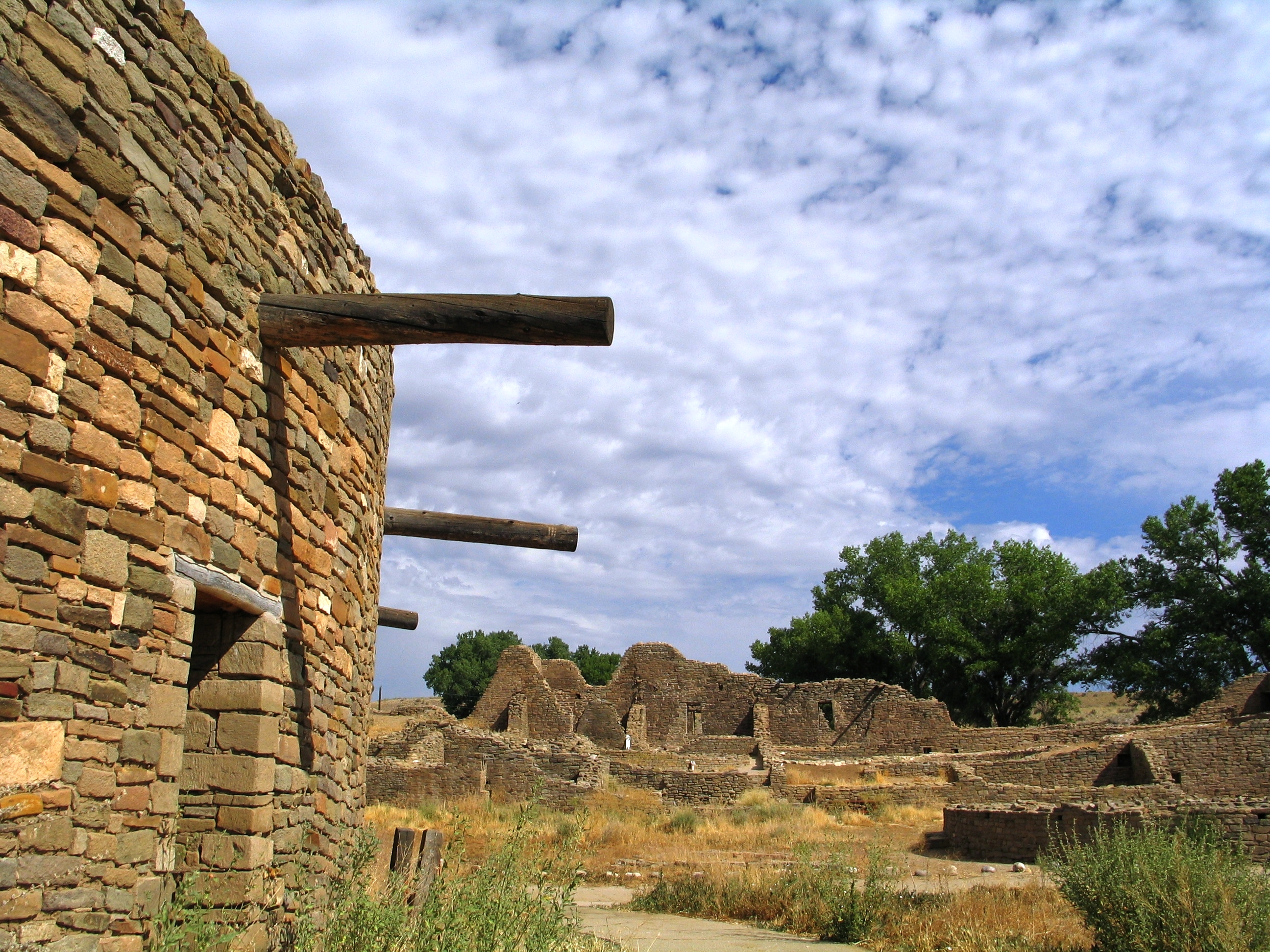
National Monument
Aztec Ruins National Monument
Aztec Ruins has some of the best-preserved Chacoan structures of its kind. Learn more about the ancestral Pueblo people in the park's museum and explore the Aztec West great house to see exceptionally advanced architecture, original wooden beams, and a restored Great Kiva. Aztec Ruins is a deeply sacred place to many Indigenous peoples across the American Southwest. Please visit with respect.
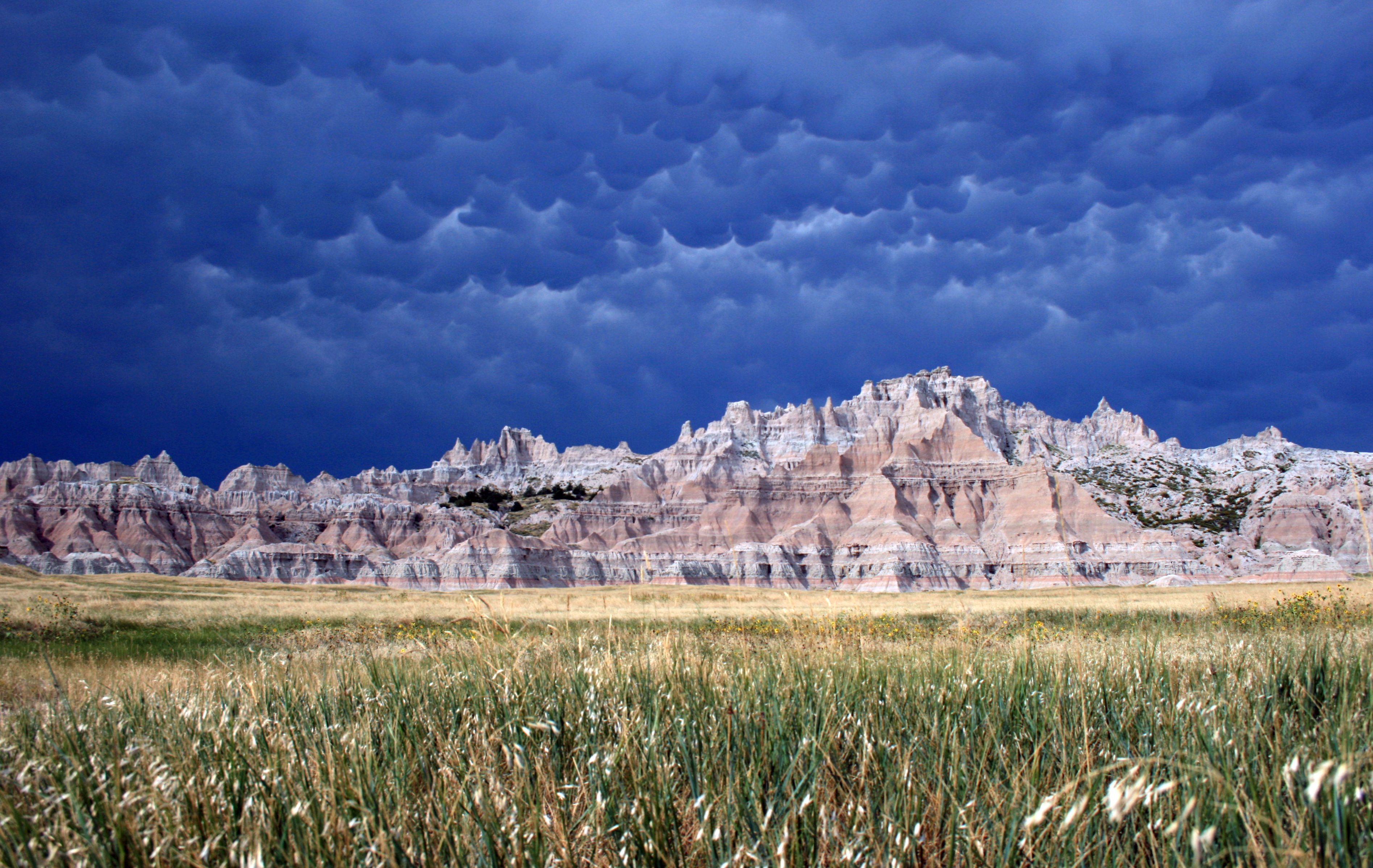
National Park
Badlands National Park
The rugged beauty of the Badlands draws visitors from around the world. These striking geologic deposits contain one of the world’s richest fossil beds. Ancient horses and rhinos once roamed here. The park’s 244,000 acres protect an expanse of mixed-grass prairie where bison, bighorn sheep, prairie dogs, and black-footed ferrets live today.
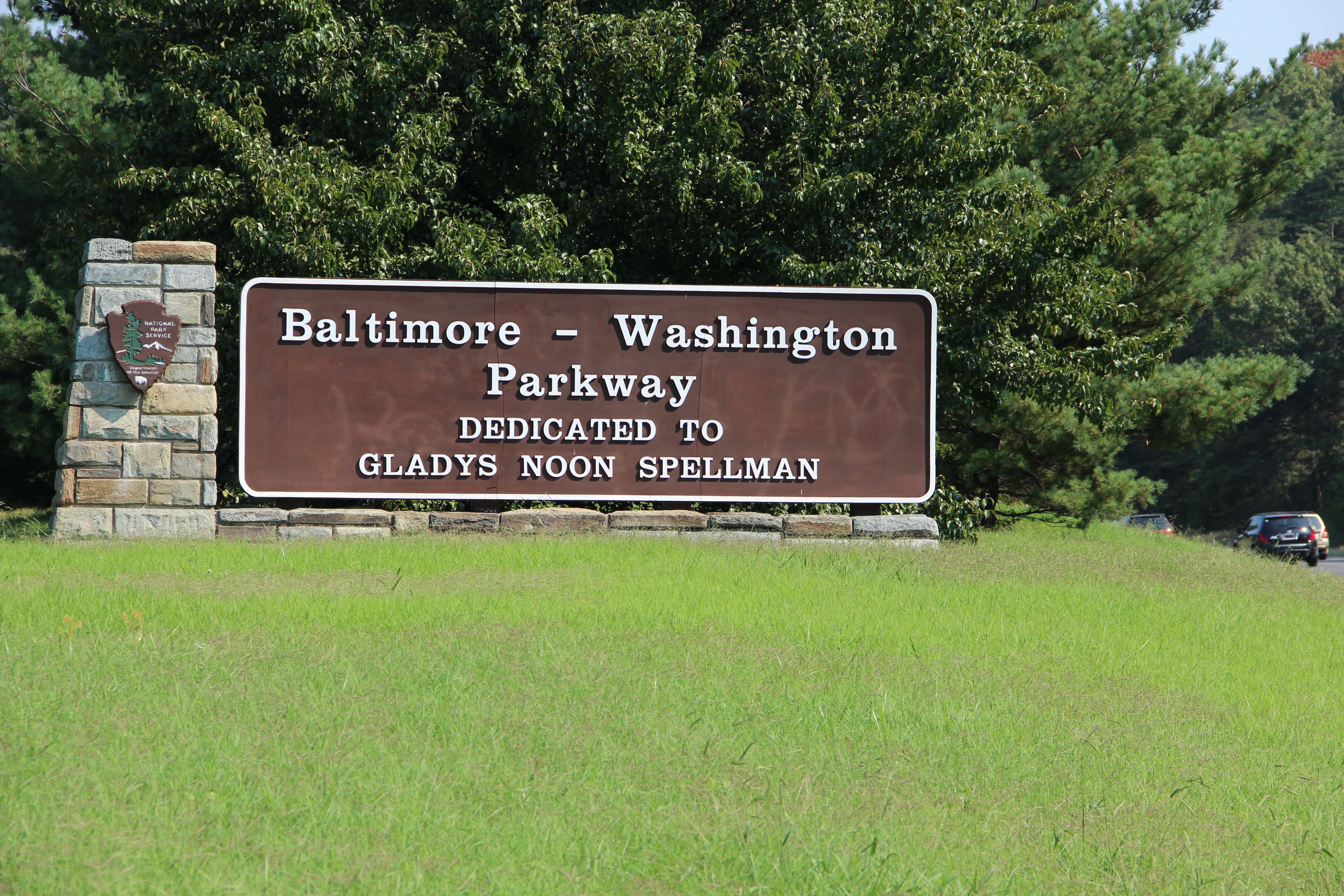
Parkway
Baltimore-Washington Parkway
This 29-mile highway connects Baltimore, MD and Washington, D.C. The parkway has carried visitors to and from the capital city since 1954.
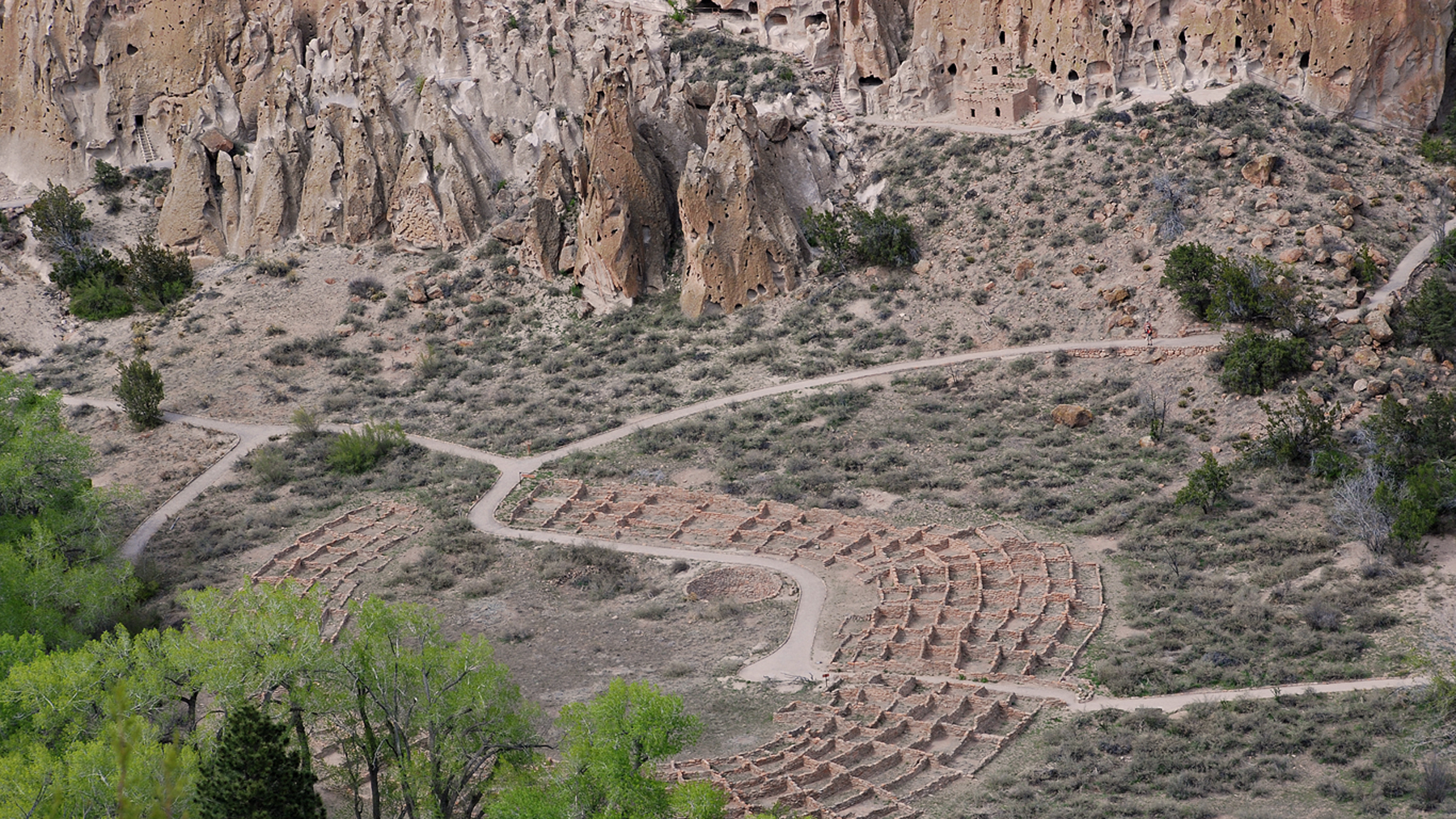
National Monument
Bandelier National Monument
Bandelier National Monument protects over 33,000 acres of ruggedly beautiful canyon and mesa country. Petroglyphs, dwellings carved into the soft rock cliffs, and standing masonry walls pay tribute to the early days of a culture that still survives in the surrounding communities.
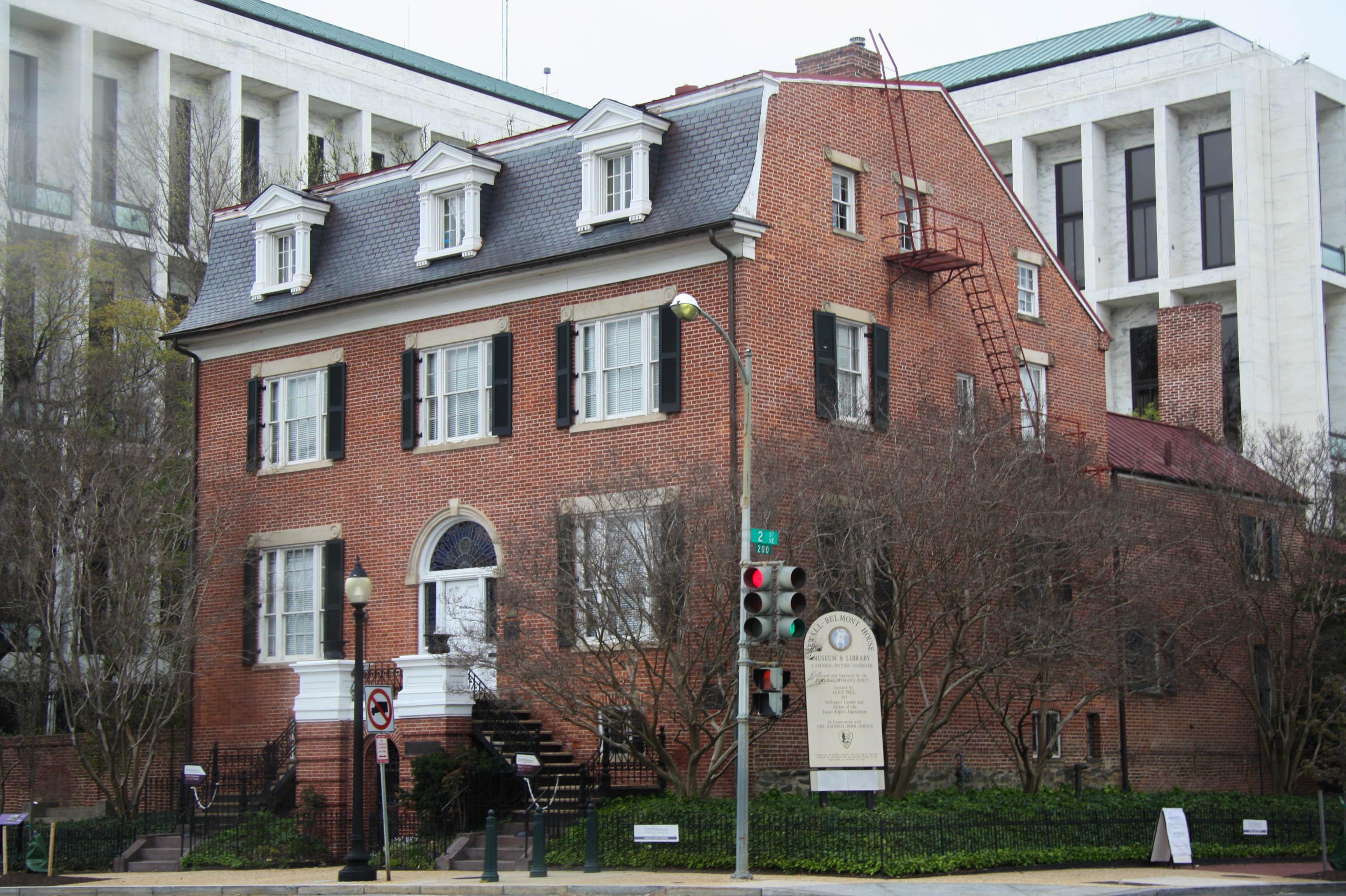
National Monument
Belmont-Paul Women's Equality National Monument
Home to the National Woman's Party for more than 90 years, this was the epicenter of the struggle for women's rights. From this house in the shadow of the U.S. Capitol and Supreme Court, Alice Paul and the NWP developed innovative strategies and tactics to advocate for the Equal Rights Amendment and equality for women. President Barack Obama designated the national monument on April 12, 2016.
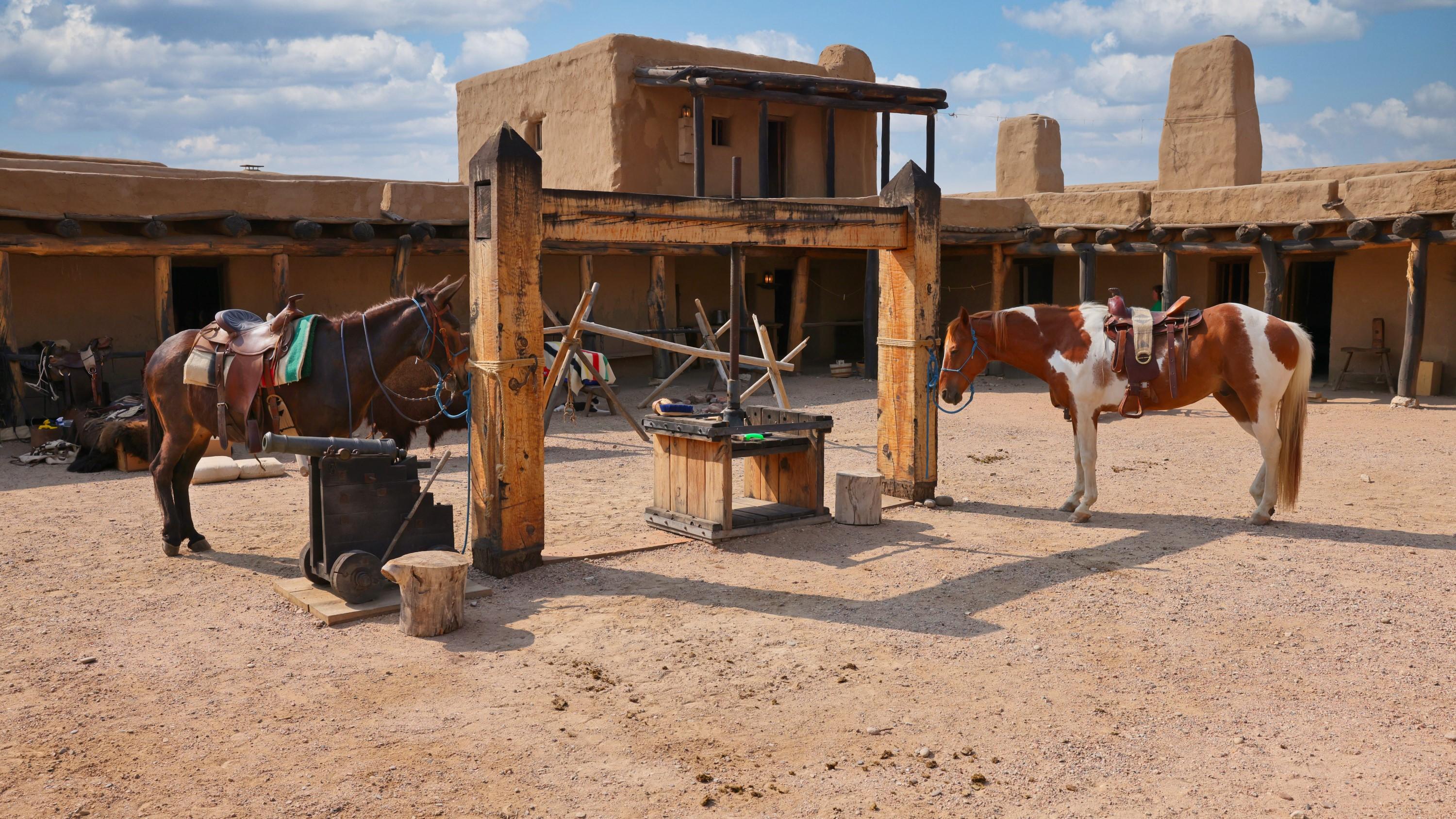
National Historic Site
Bent's Old Fort National Historic Site
In the 1840s the Arkansas River was the border between territory claimed by the United States and Mexico. Located along the river, Bent's Fort was an adobe trading post on the Santa Fe Trail, where traders, trappers, travelers, and the Cheyenne and Arapaho tribes came together in peaceful terms for trade. Today, a reconstructed fort allows visitors to explore the front line of Westward Expansion.
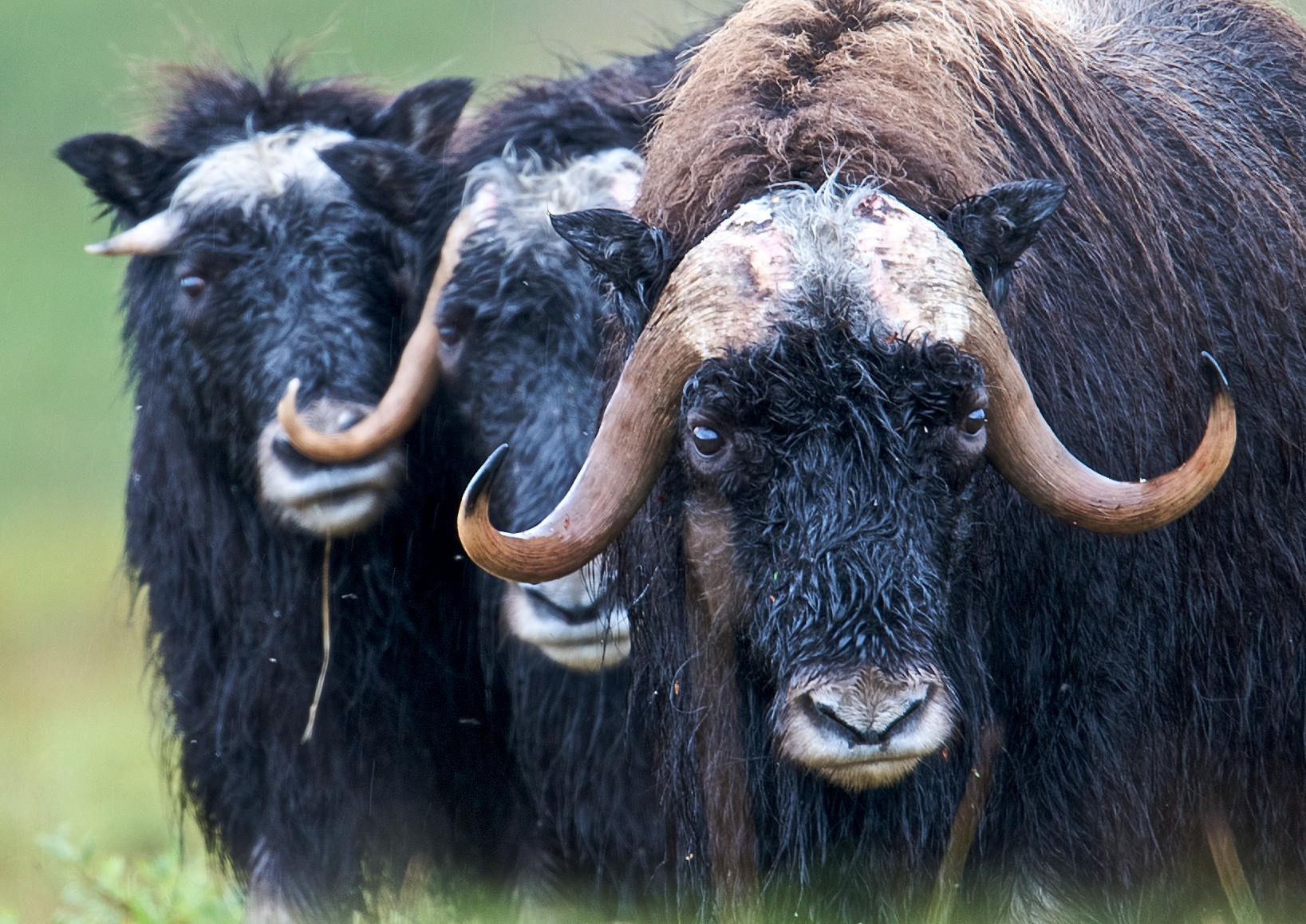
National Preserve
Bering Land Bridge National Preserve
Bering Land Bridge National Preserve lies at the continental crossroad that greatly influenced the distribution of life in the Western Hemisphere during the Pleistocene Epoch. It is a vital landscape for Indigenous communities who depend on the land just as their ancestors did for many generations. It is a wild and ecologically healthy landscape unlike any other.
National Park
Big Bend National Park
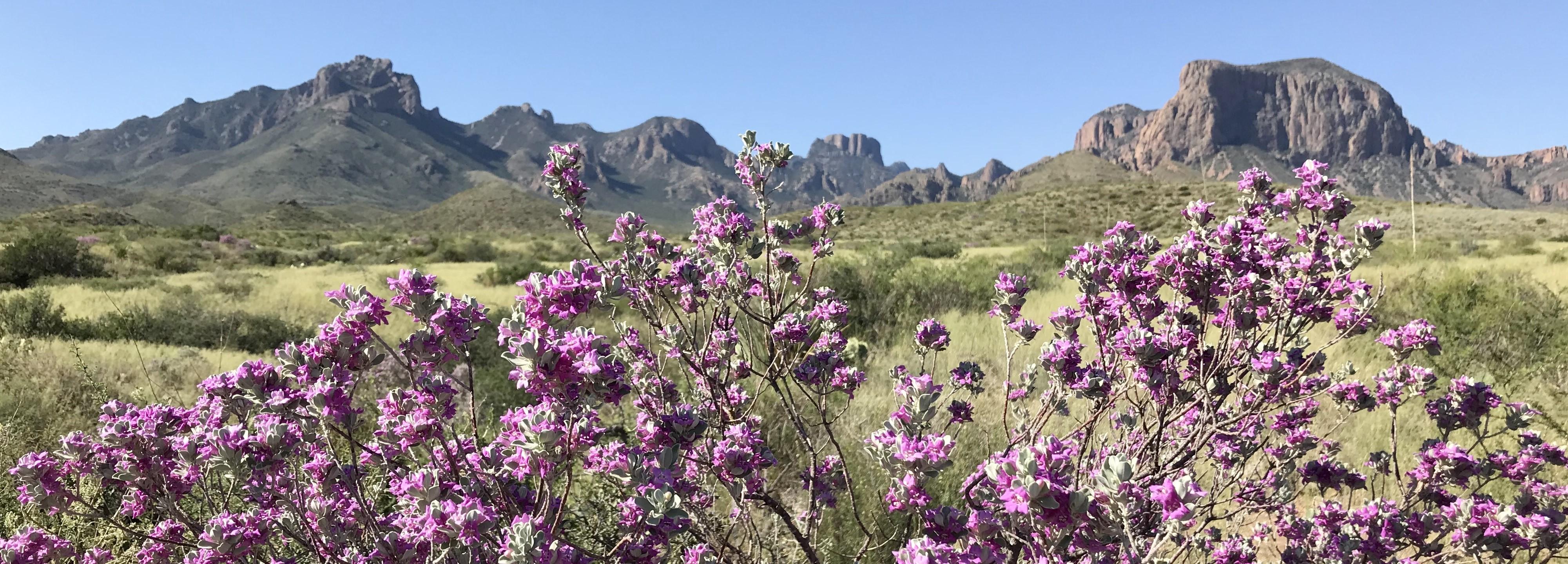
There is a place in Far West Texas where night skies are dark as coal and rivers carve temple-like canyons in ancient limestone. Here, at the end of the road, hundreds of bird species take refuge in a solitary mountain range surrounded by weather-beaten desert. Tenacious cactus bloom in sublime southwestern sun, and species diversity is the best in the country. This magical place is Big Bend...
National Preserve
Big Cypress National Preserve
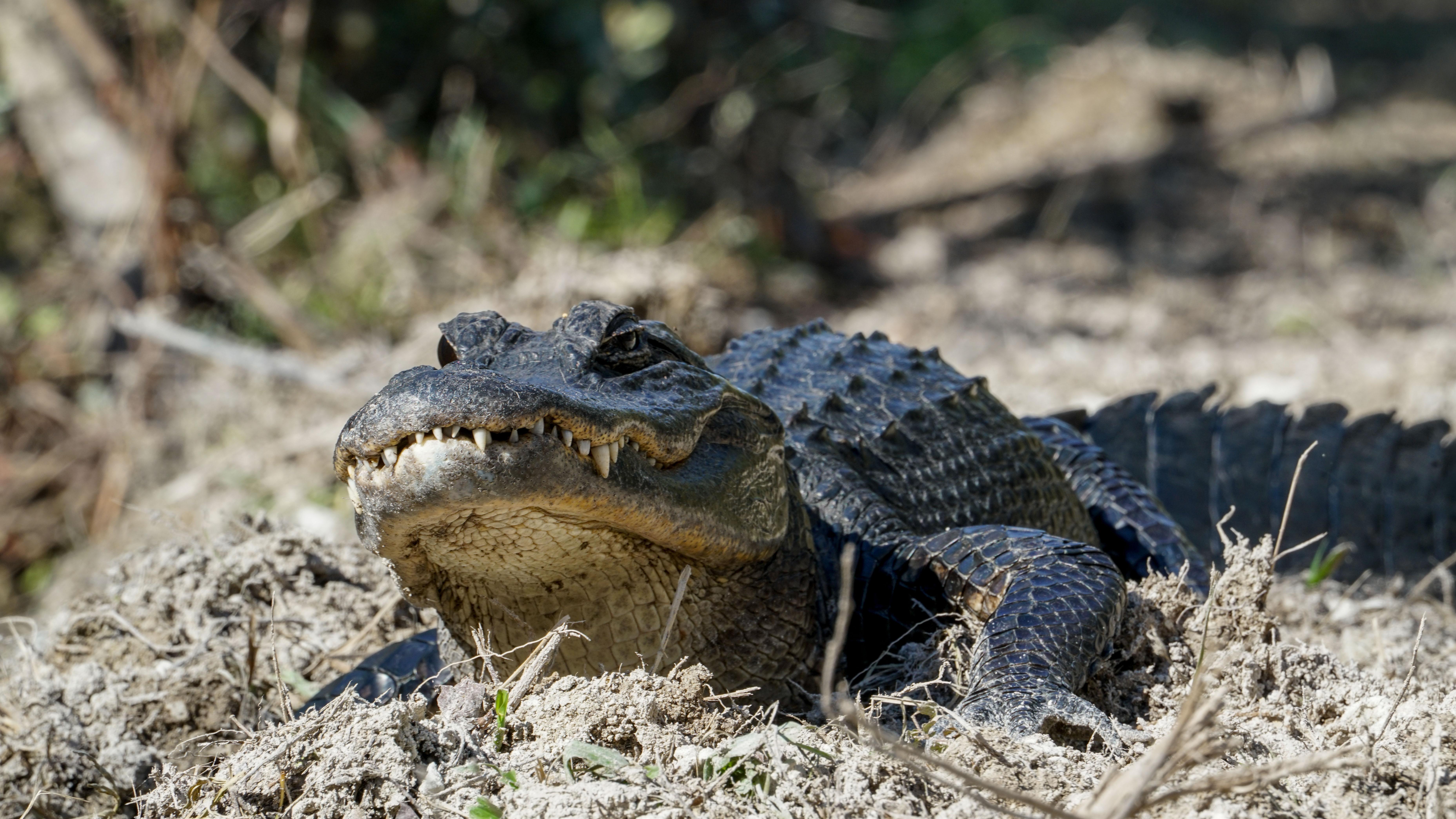
The freshwaters of the Big Cypress Swamp, essential to the health of the neighboring Everglades, support the rich marine estuaries along Florida's southwest coast. Conserving over 729,000 acres of this vast swamp, Big Cypress National Preserve contains a mixture of tropical and temperate plant communities that are home to diverse wildlife, including the Endangered Florida panther.
National Battlefield
Big Hole National Battlefield
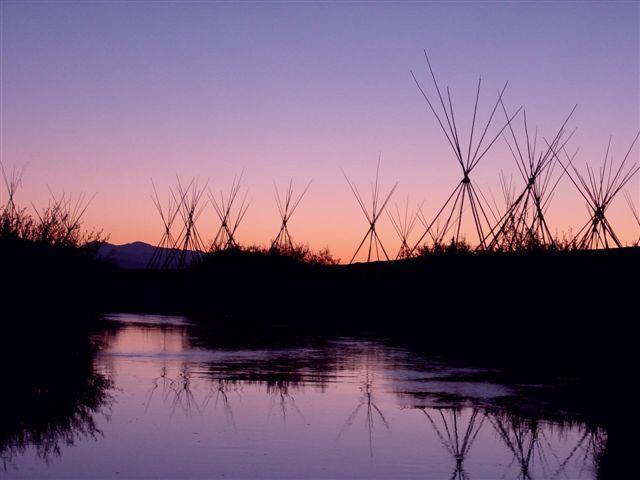
On August 9, 1877, gunshots shattered a chilly dawn on a sleeping camp of nımí·pu· (Nez Perce). By the time the smoke cleared on August 10, almost 90 nımí·pu· were dead, along with 31 soldiers and volunteers. Big Hole National Battlefield was created to honor all who were there.
National River & Recreation Area
Big South Fork National River & Recreation Area
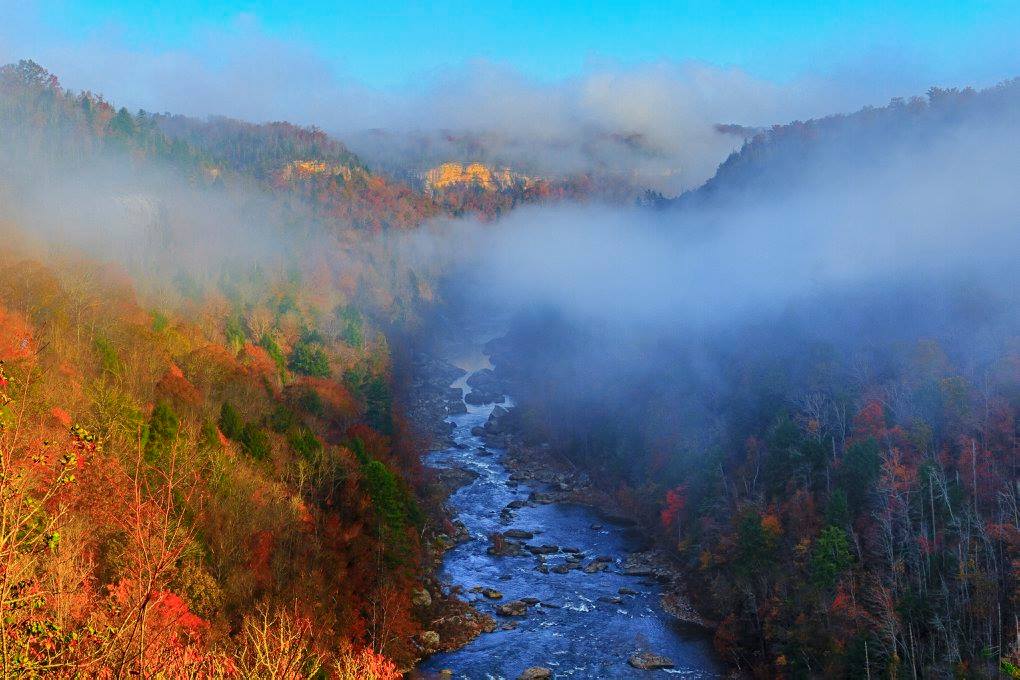
Encompassing 125,000 acres of the Cumberland Plateau, Big South Fork National River and Recreation Area protects the free-flowing Big South Fork of the Cumberland River and its tributaries. The area boasts miles of scenic gorges and sandstone bluffs, is rich with natural and historic features and has been developed to provide visitors with a wide range of outdoor recreational activities.
National Preserve
Big Thicket National Preserve
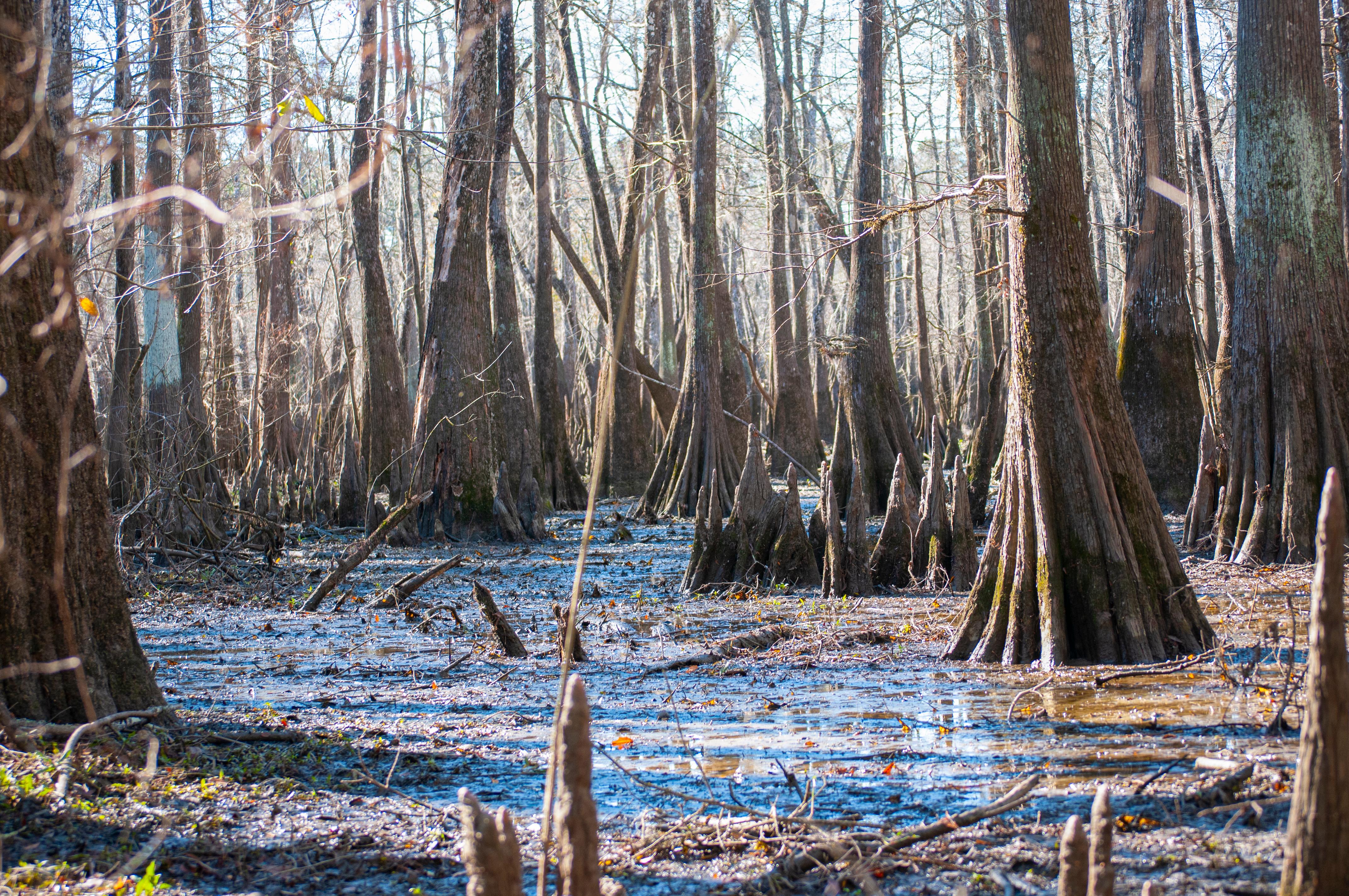
Life of all types abounds in the Big Thicket. This national preserve protects the incredible diversity of life found where multiple habitats meet in southeast Texas. Hiking trails and waterways meander through nine different ecosystems, from longleaf pine forests to cypress-lined bayous. It is a place of discovery, a place to wander and explore, a place to marvel at the richness of nature.
National Recreation Area
Bighorn Canyon National Recreation Area
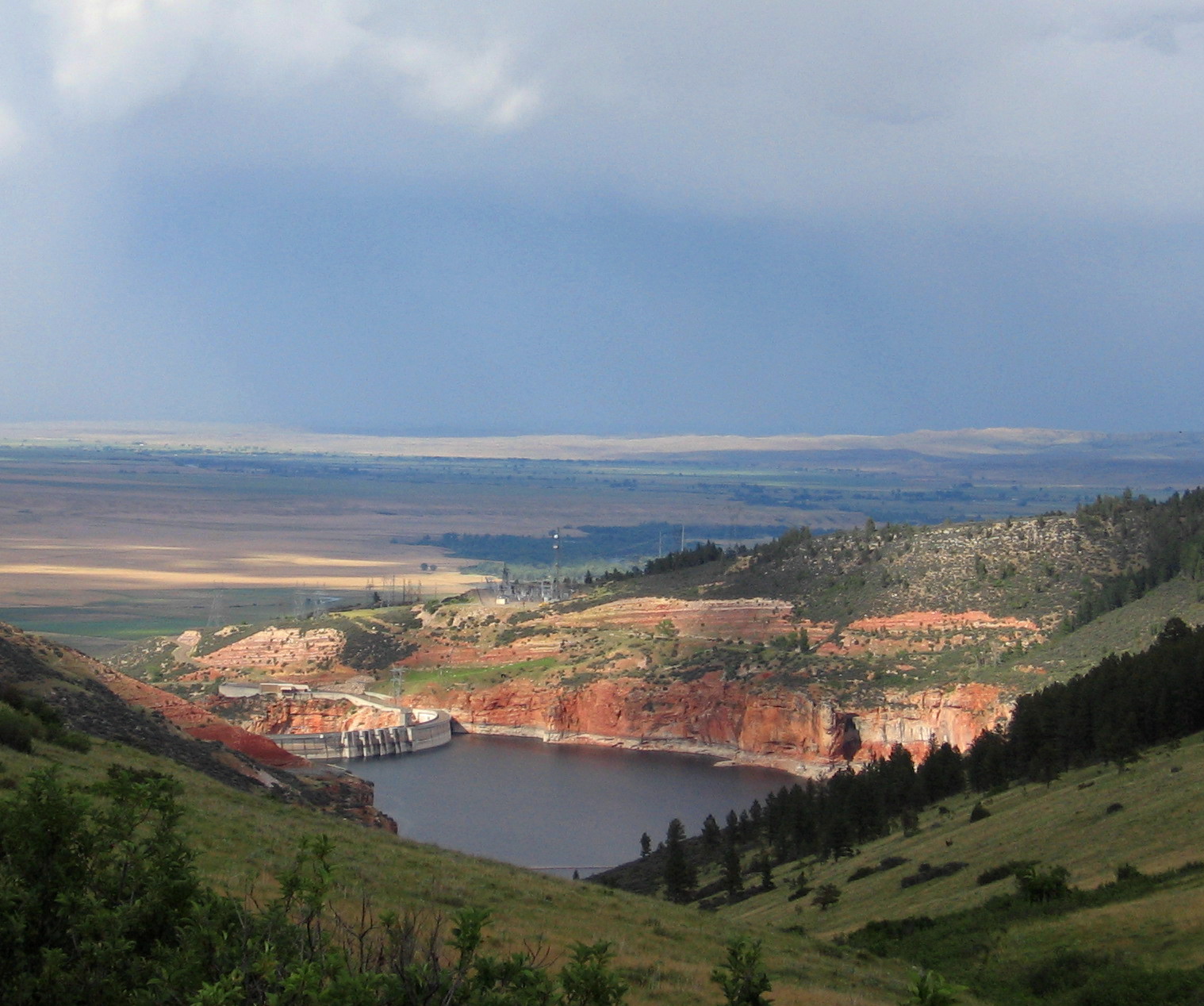
The vast, wild landscape of Bighorn Canyon National Recreation Area offers visitors unparalleled opportunities to immerse themselves in the natural world, and experience the wonders of this extraordinary place. With over 120,000 acres, one can find an astounding diversity in ecosystems, wildlife, and more than 10,000 years of human history to explore.
National Monument
Birmingham Civil Rights National Monument
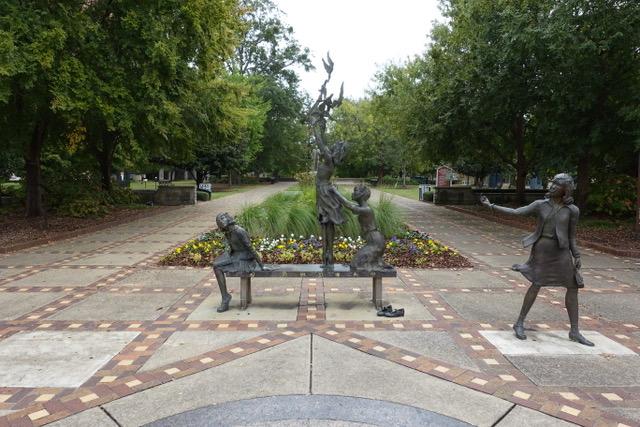
In 1963, images of snarling police dogs unleashed against non-violent protesters and of children being sprayed with high-pressure hoses appeared in print and television news around the world. These dramatic scenes of violent police aggression against civil rights protesters in Birmingham, Alabama were vivid examples of segregation and racial injustice in America.
National Park
Biscayne National Park
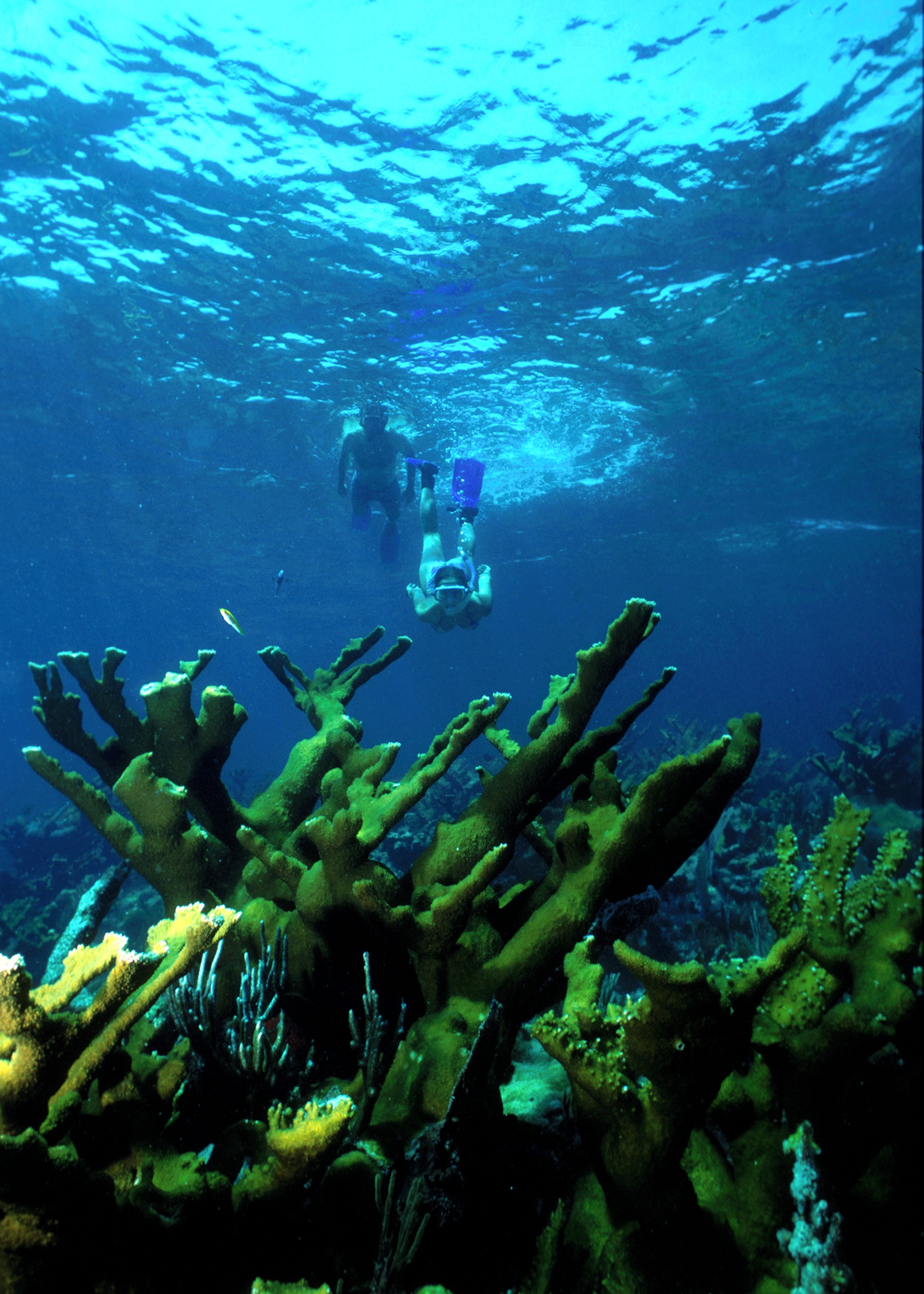
Within sight of Miami, yet worlds away, Biscayne protects a rare combination of aquamarine waters, emerald islands, and fish-bejeweled coral reefs. Evidence of 10,000 years of human history is here too; from prehistoric tribes to shipwrecks, and pineapple farmers to presidents. For many, the park is a boating, fishing, and diving destination, while others enjoy a warm breeze and peaceful scenery.
National Park
Black Canyon Of The Gunnison National Park
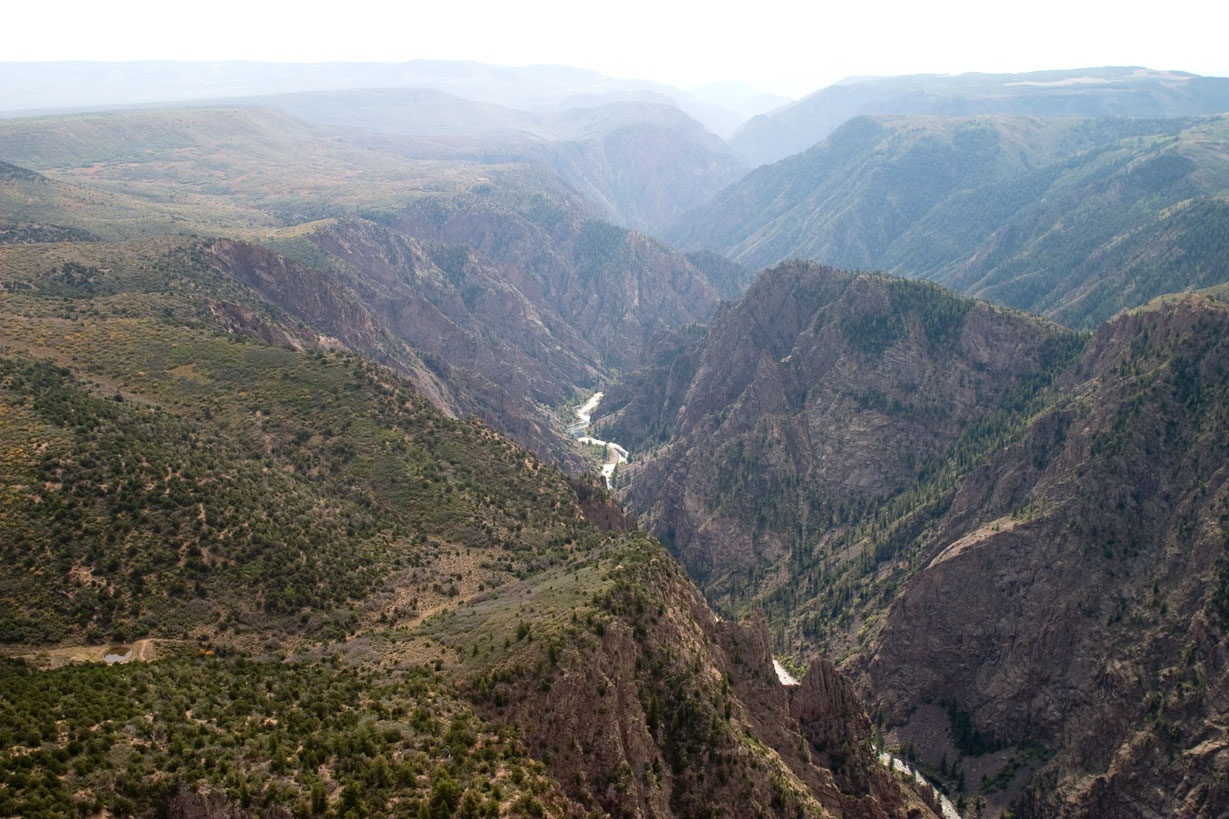
Big enough to be overwhelming, yet still intimate enough to feel the pulse of time. Come see some of the steepest cliffs, oldest rock, and craggiest spires in North America. Forces of nature and the Gunnison River sculpted this canyon over two million years. The result is a vertical wilderness of rock, water, and sky.
National Historical Park
Blackstone River Valley National Historical Park
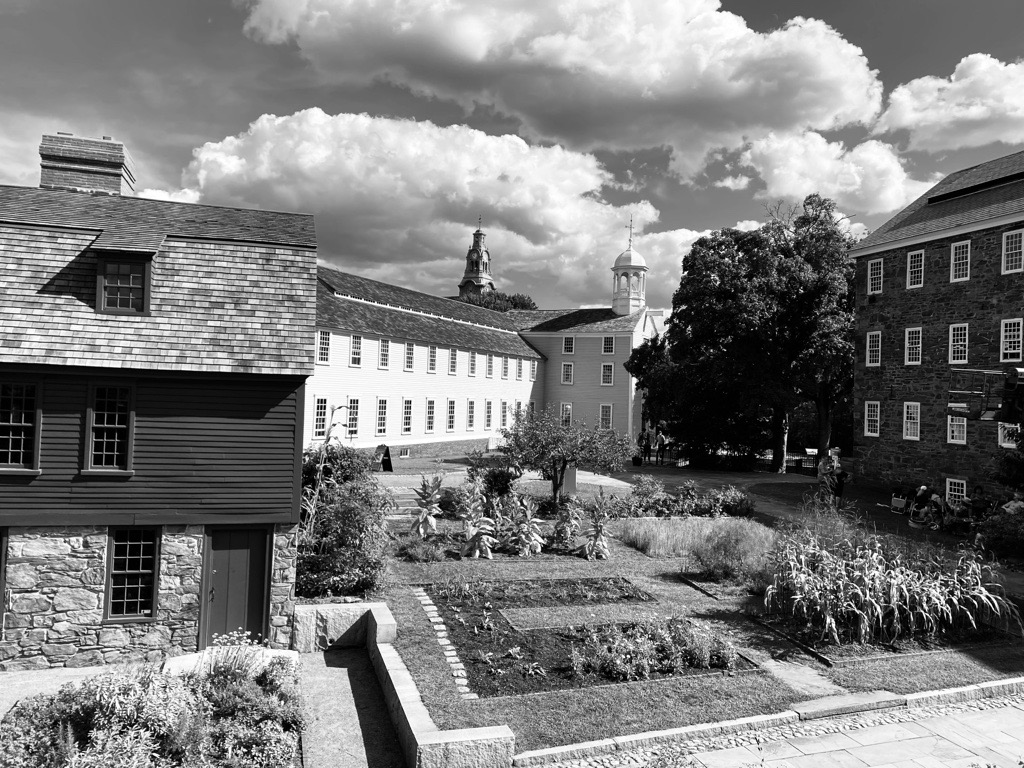
The Blackstone River powered America's entry into the Age of Industry. The success of Samuel Slater's cotton spinning mill in Pawtucket, RI touched off a chain reaction that changed how people worked and where they lived. Learn how this revolution transformed the landscape of the Blackstone Valley and the United States. The Visitor Center at Old Slater Mill is closed for the winter season.
National Historic Site
Blackwell School National Historic Site
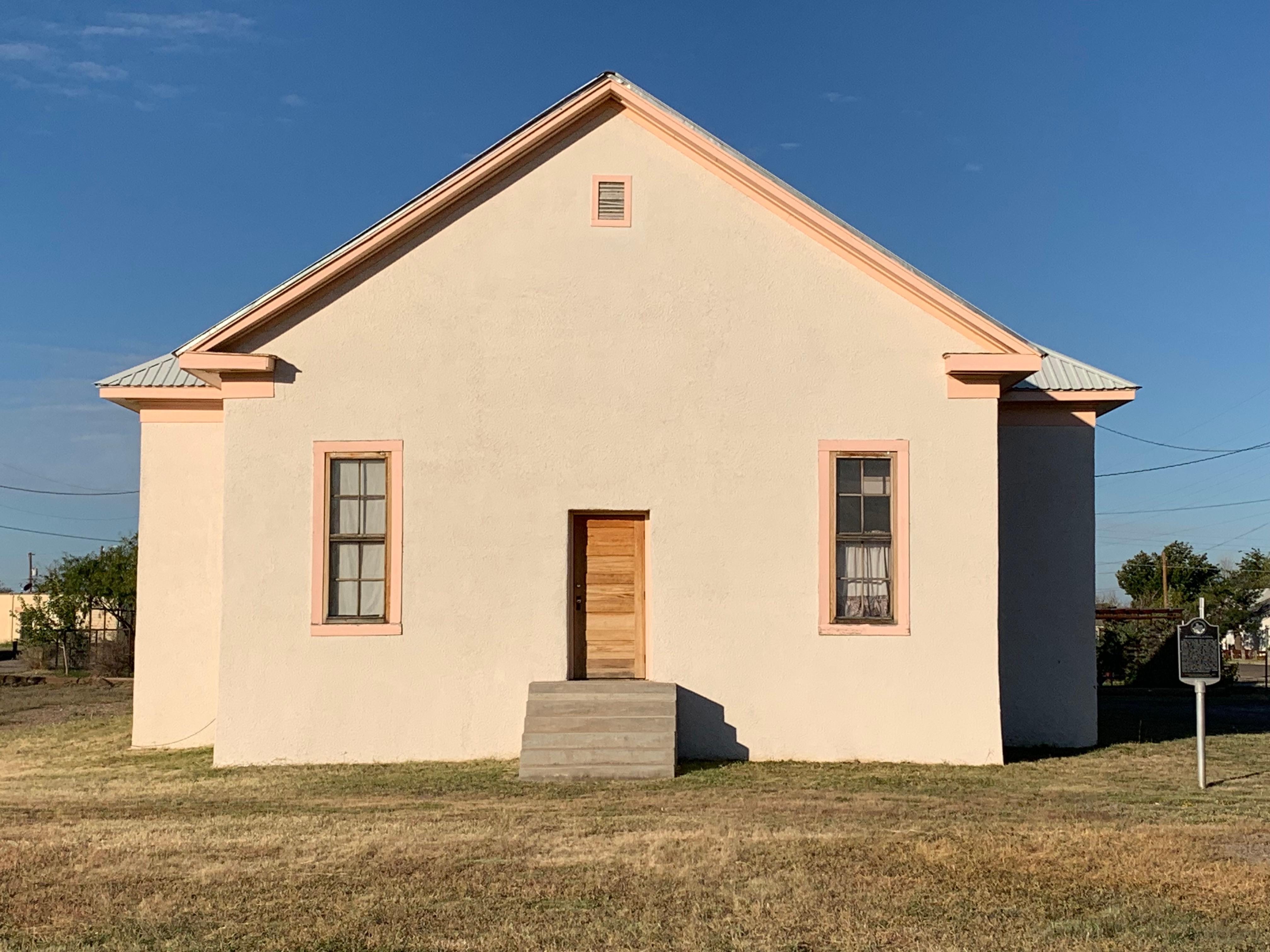
Written by prejudice rather than law, the story of the Blackwell School is one of “separate but equal” education for Mexican and Mexican American citizens of Marfa, Texas. Built in 1909, the school serves as a significant example of how racism and cultural disparity dominated education and social systems in the United States during this period of de facto segregation from 1889-1965.
Parkway
Blue Ridge Parkway
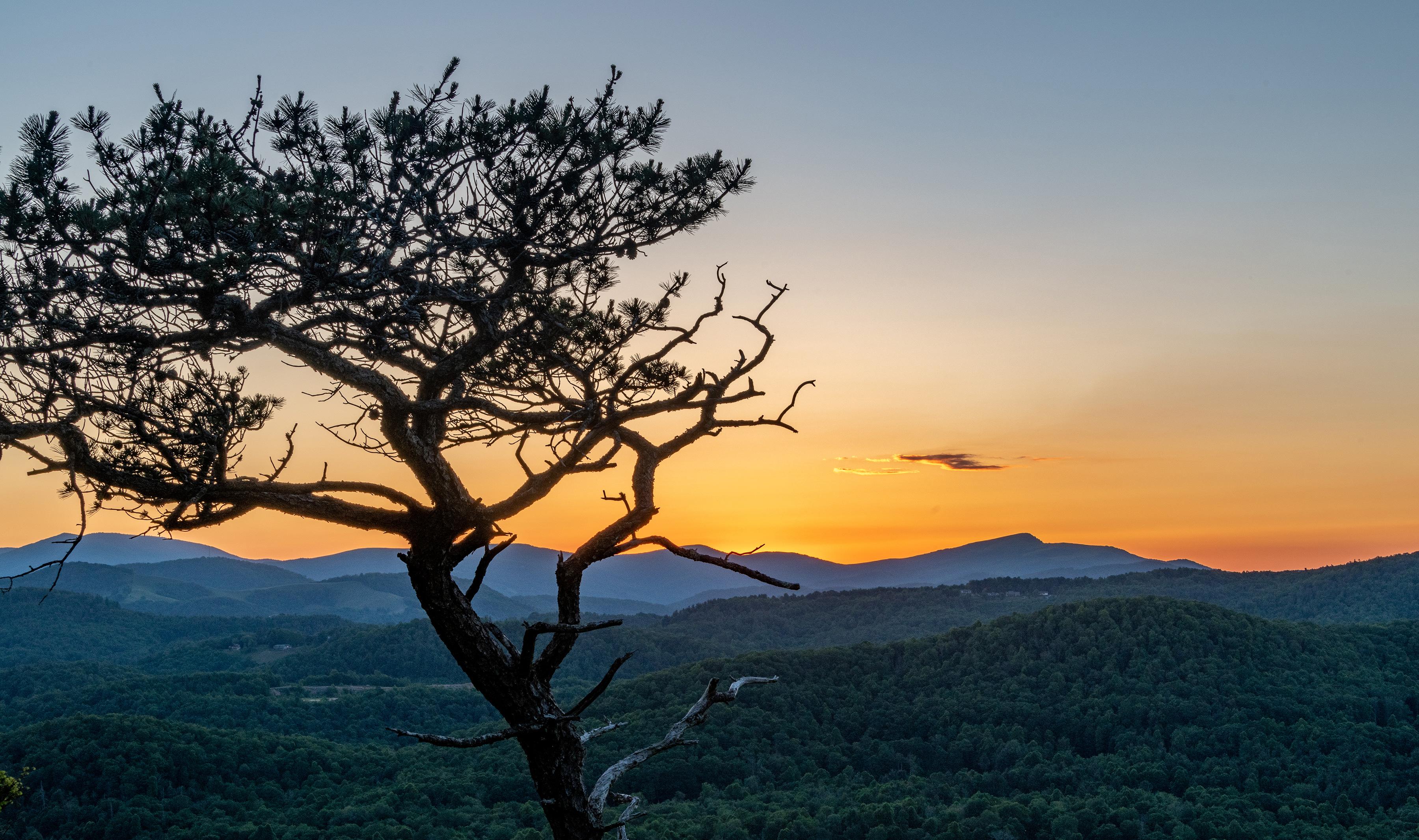
A Blue Ridge Parkway experience is unlike any other: a slow-paced and relaxing drive revealing stunning long-range vistas and close-up views of the rugged mountains and pastoral landscapes of the Appalachian Highlands. The Parkway meanders for 469 miles, protecting a diversity of plants and animals, and providing opportunities for enjoying all that makes this region of the country so special.
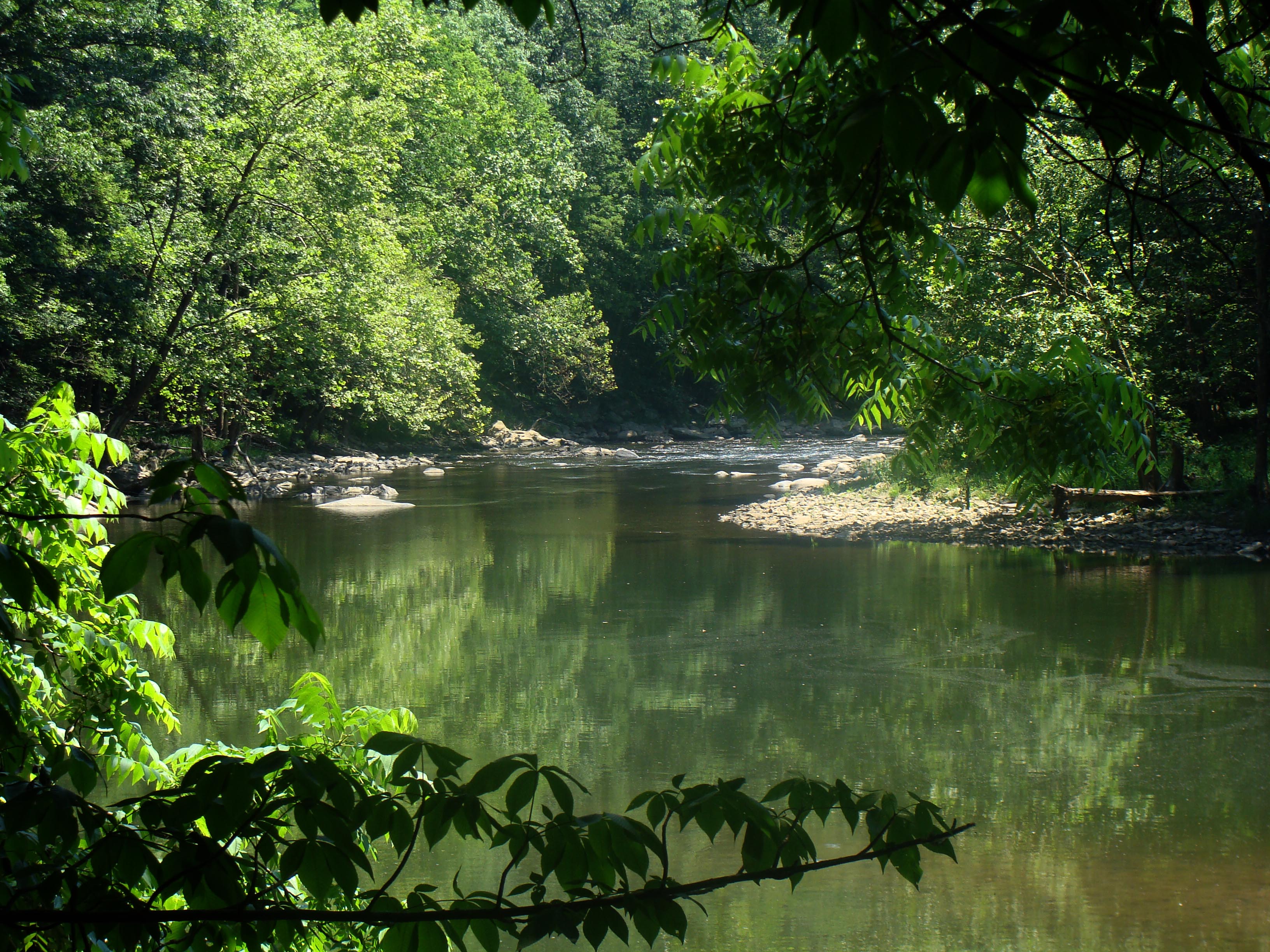
National Scenic River
Bluestone National Scenic River
The Bluestone River and the rugged and ancient gorge it has carved is a richly diverse and scenic area of the southern Appalachians. Bluestone National Scenic River is preserved as a living landscape that provides an unspoiled experience for visitors and a haven for a variety of plants and animals. The park protects a 10.5-mile section of the Bluestone River in southern West Virginia.
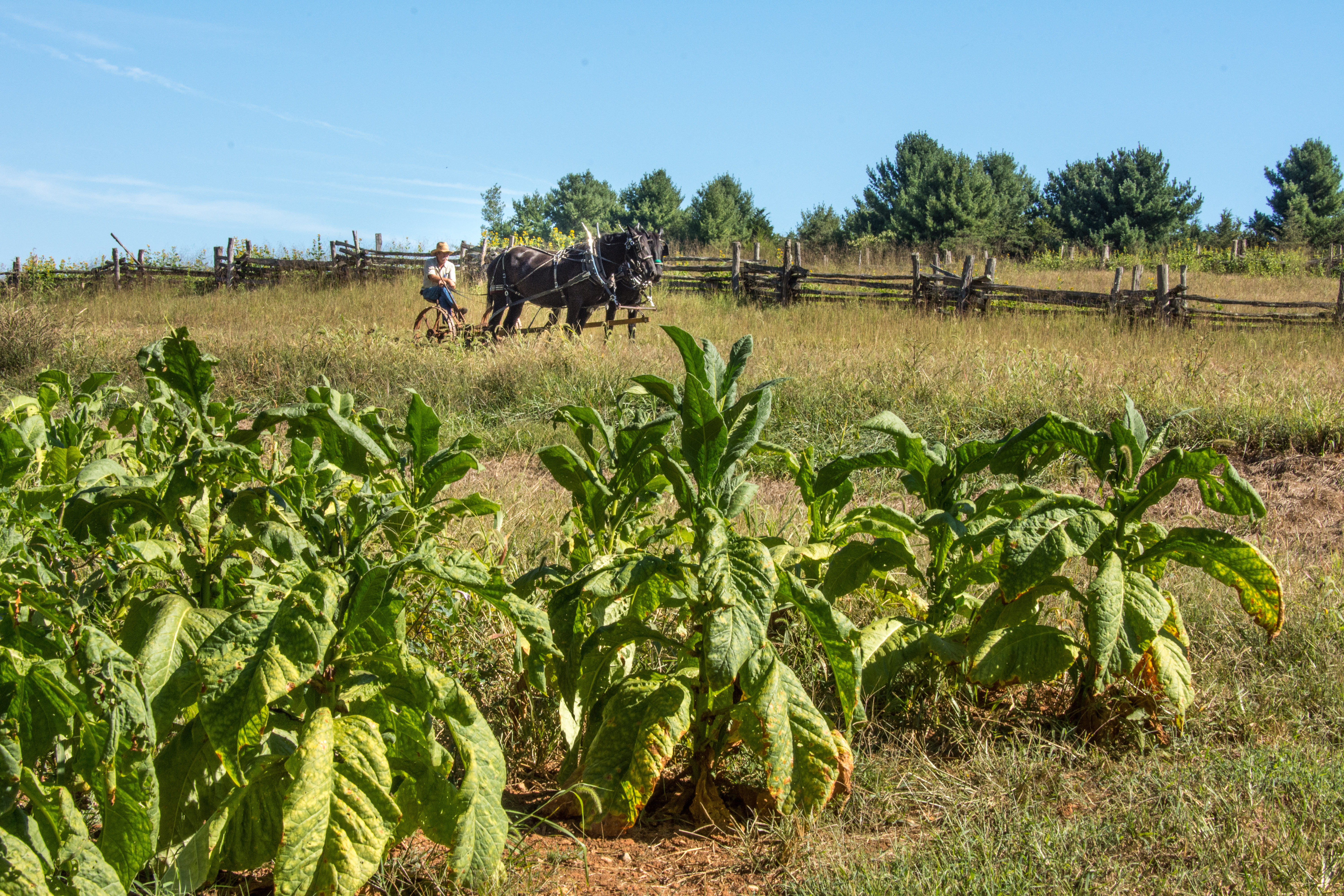
National Monument
Booker T Washington National Monument
Booker T. Washington was born a slave in April 1856 on the 207-acre farm of James Burroughs. After the Civil War, Washington became the first principal of Tuskegee Normal and Industrial School. Later as an adviser, author and orator, his past would influence his philosophies as the most influential African American of his era. Come explore his birthplace.
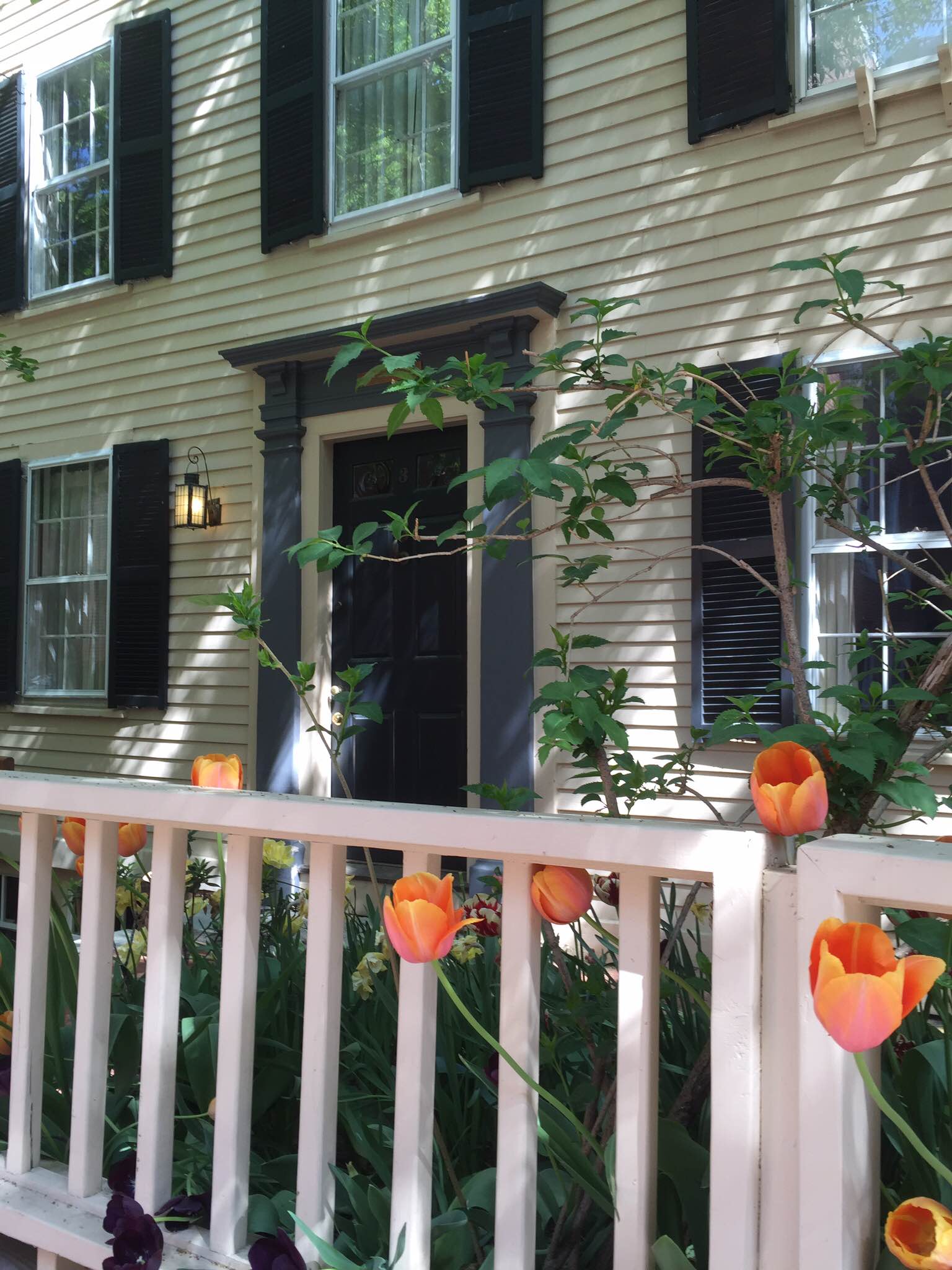
National Historic Site
Boston African American National Historic Site
Centered on the north slope of Beacon Hill, the African American community of 1800s Boston led the city and the nation in the fight against slavery and injustice. These remarkable men and women, together with their allies, were leaders in the Abolition Movement, the Underground Railroad, the Civil War, and the early struggle for equal rights and education.
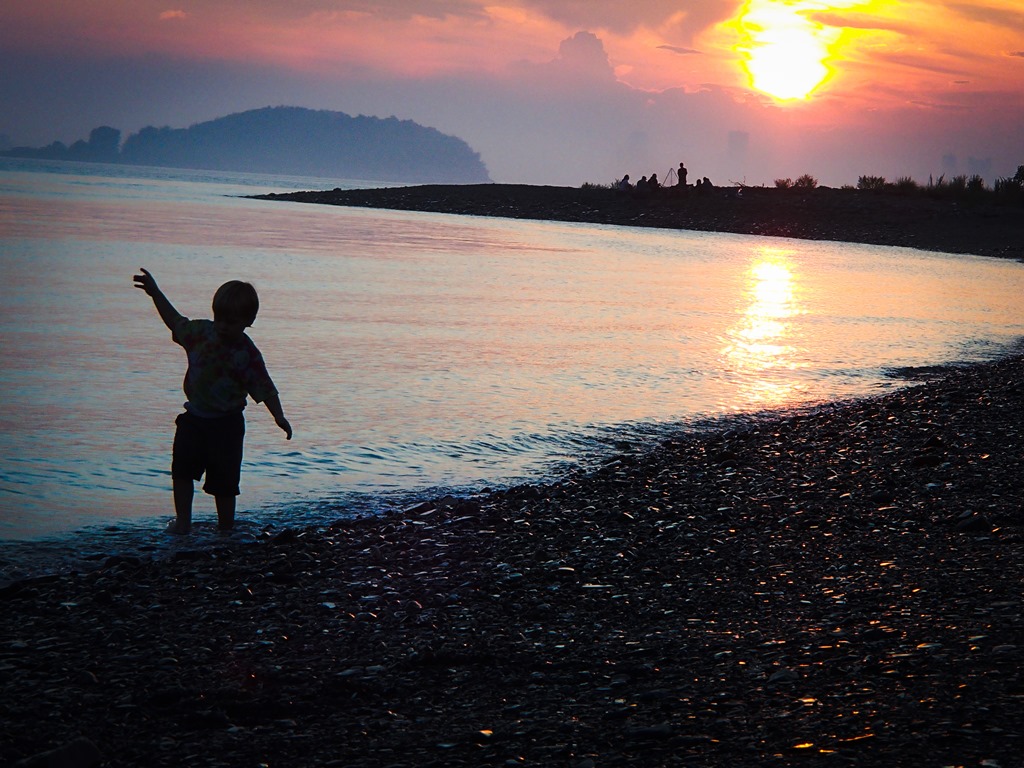
National Recreation Area
Boston Harbor Islands National Recreation Area
. . . where you can walk a Civil War-era fort, view historic lighthouses, explore tide pools, hike lush trails, camp under the stars, or relax while fishing, picnicking, or swimming—all within reach of downtown Boston. Youth programs, visitor services, research, wildlife management, and more are coordinated on the park's 34 islands and peninsulas by the Boston Harbor Islands Partnership.
National Historical Park
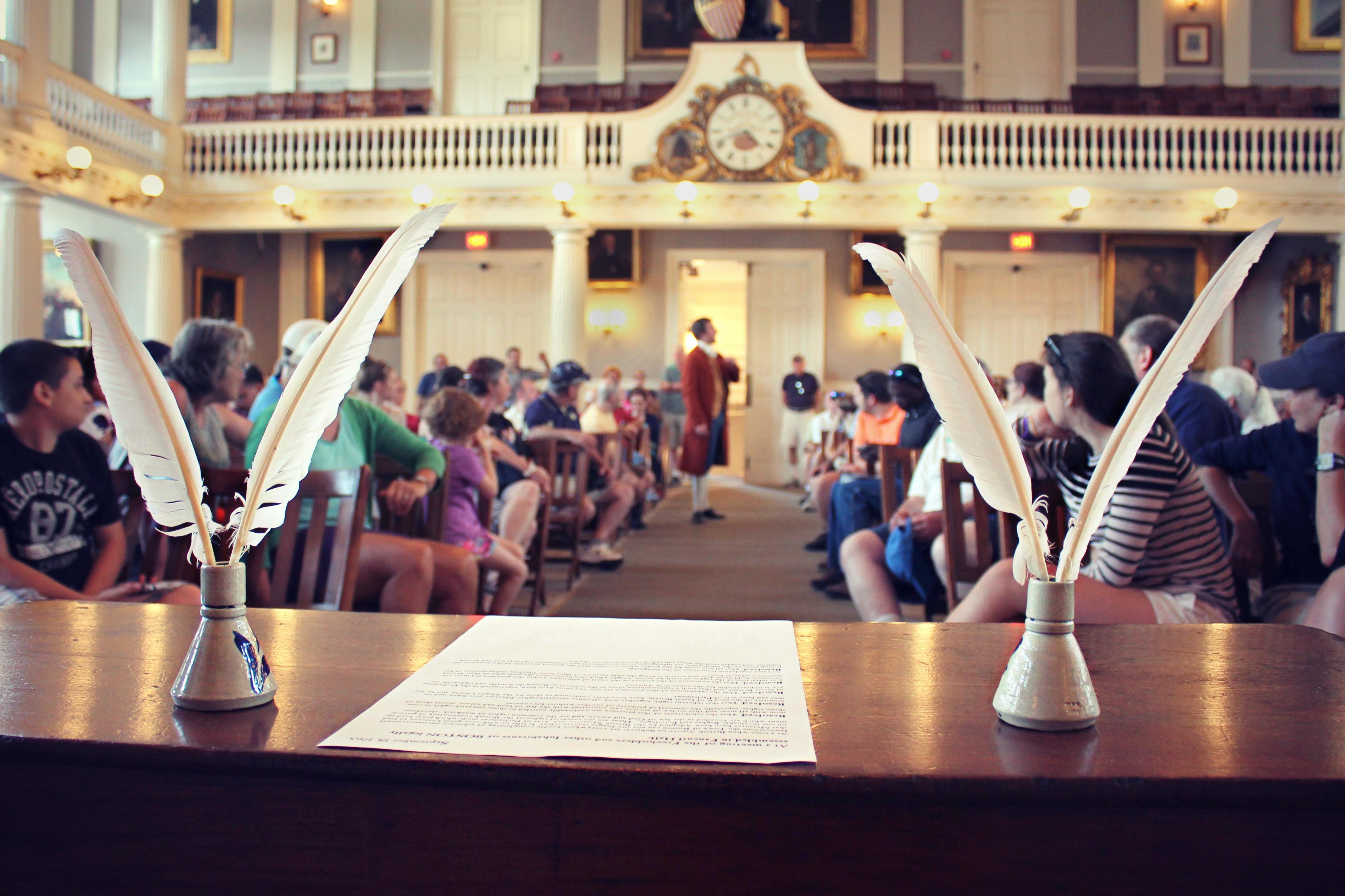
Boston National Historical Park
Discover how one city could be the Cradle of Liberty, site of the first major battle of American Revolution, and home to many who espoused that freedom can be extended to all.
National Battlefield Site
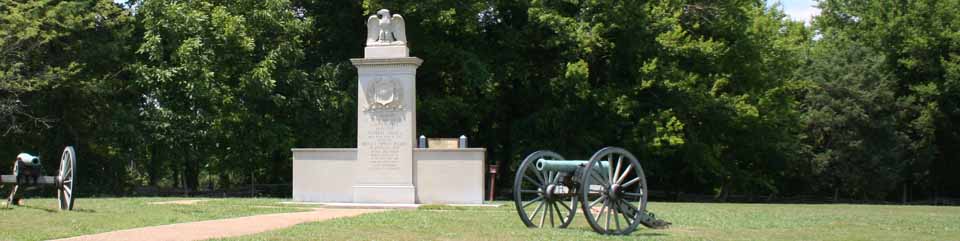
Brices Cross Roads National Battlefield Site
The Confederate victory at Brices Cross Roads was a significant victory for Major General Nathan Bedford Forrest, but its long-term effect on the war proved costly for the Confederates.
National Historical Park
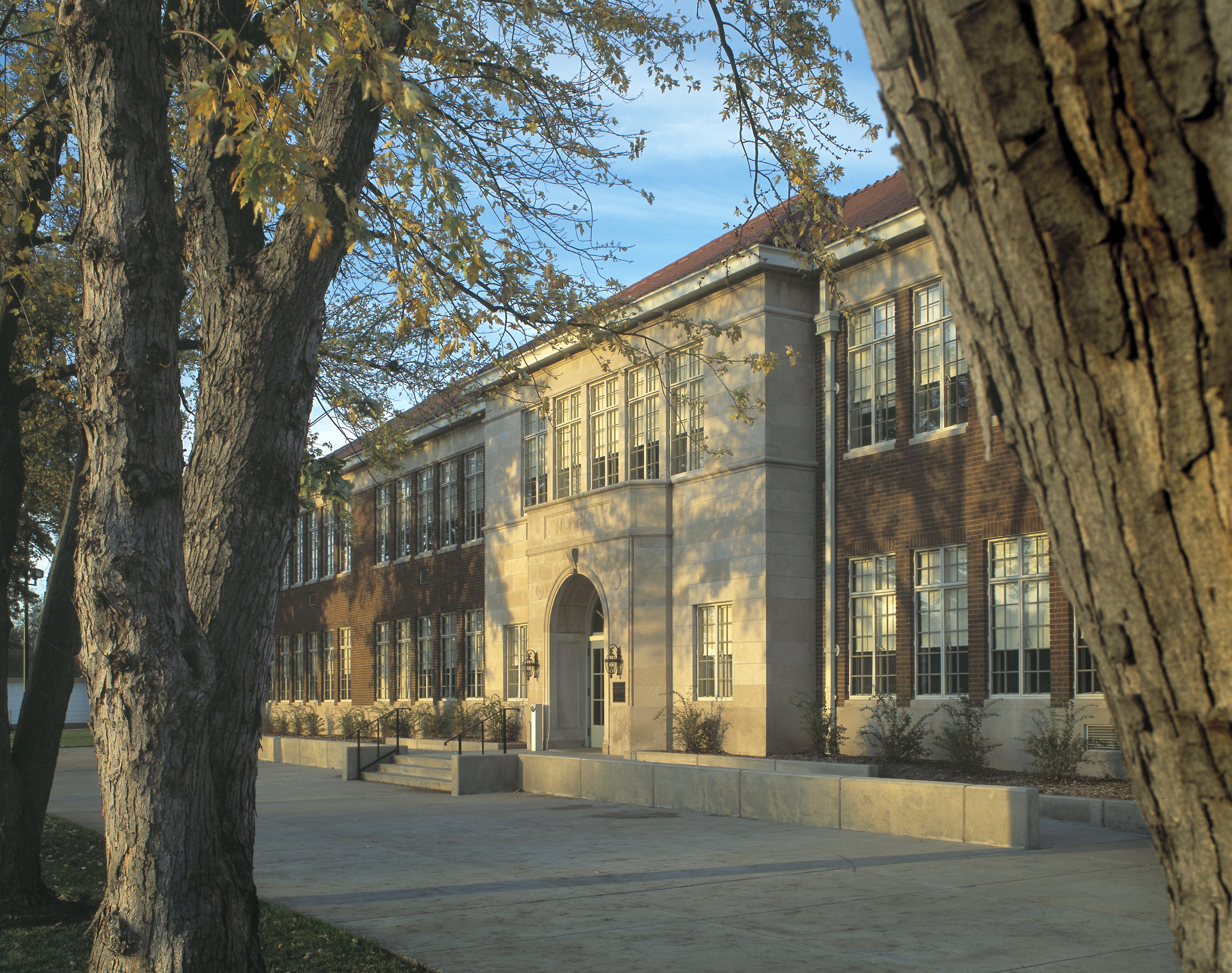
Brown v. Board of Education National Historical Park
The path to equality has been anything but smooth. It's taken courage and dedication by everyday people coming together for a common goal to carry the country toward true equality. Parents, teachers, secretaries, welders, ministers, and students drove their communities, and the country along with them, toward justice in a series of often unsteady turns leading to the Brown v. Board decision.
National Park
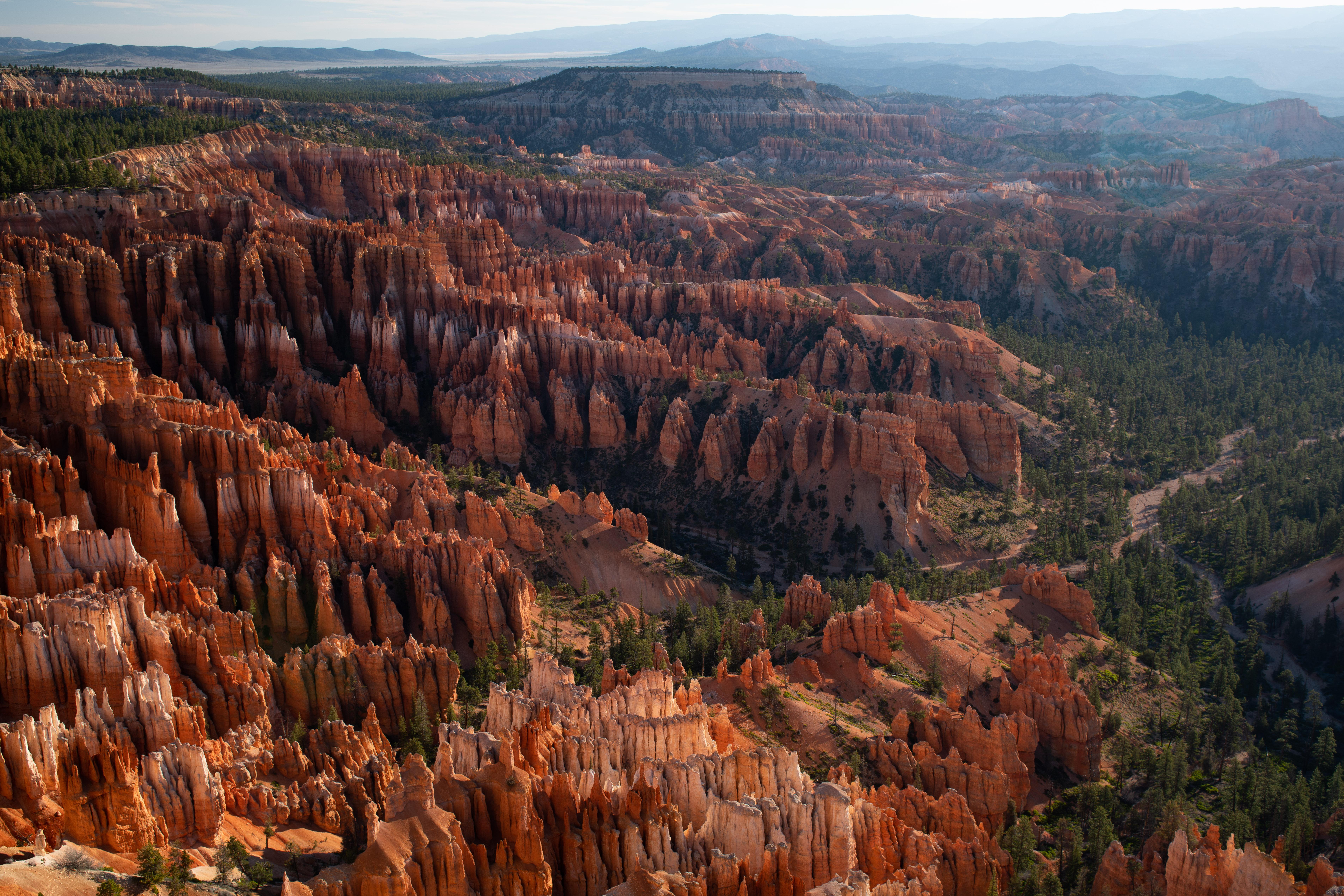
Bryce Canyon National Park
Hoodoos (irregular columns of rock) exist on every continent, but here is the largest concentration found anywhere on Earth. Situated along a high plateau at the top of the Grand Staircase, the park's high elevations include numerous life communities, fantastic dark skies, and geological wonders that defy description.
National Monument
Buck Island Reef National Monument
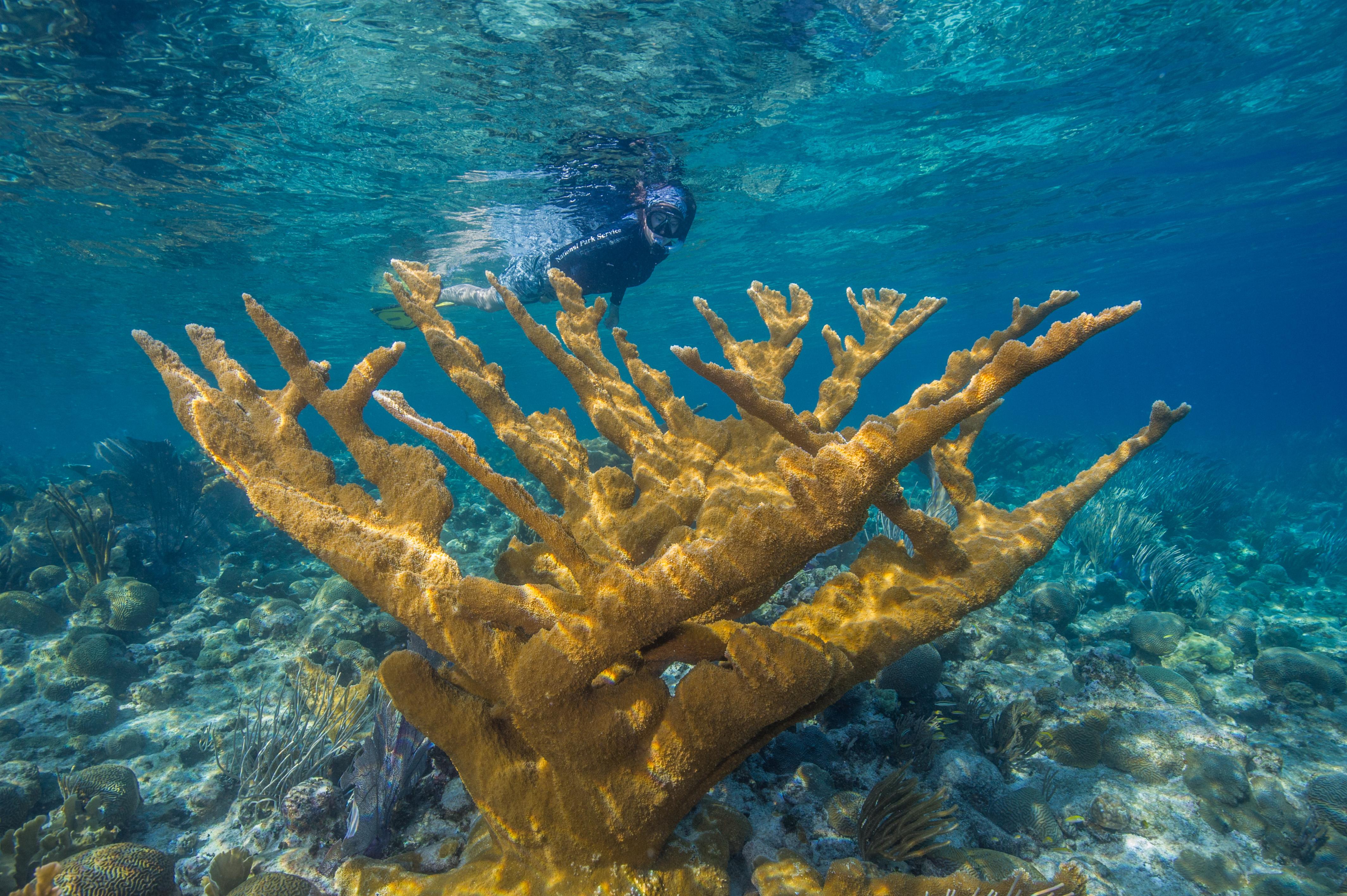
Welcome to Buck Island Reef National Monument, called “the finest marine garden in the Caribbean Sea” by President John F. Kennedy. Snorkel the famous underwater trail, explore endangered elkhorn coral reefs. Hike the trails on the 176-acre island to the observation platform for an unparallel view. Discover a vibrant world above and beneath the waves in this Caribbean paradise.
National River
Buffalo National River
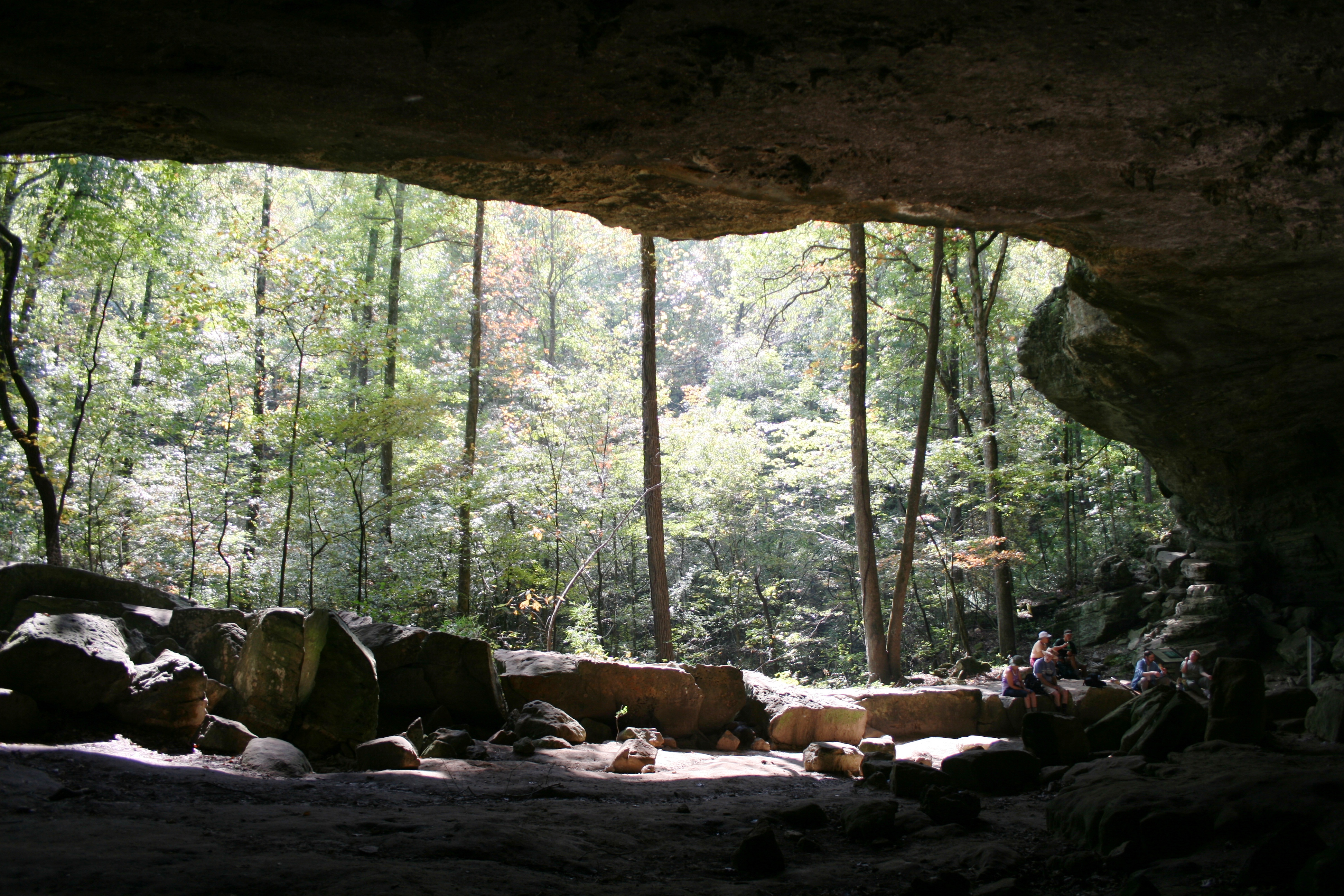
Established in 1972, Buffalo National River flows freely for 135 miles and is one of the few remaining undammed rivers in the lower 48 states. Once you arrive, prepare to journey from running rapids to quiet pools while surrounded by massive bluffs as you cruise through the Ozark Mountains down to the White River.
National Monument
Cabrillo National Monument
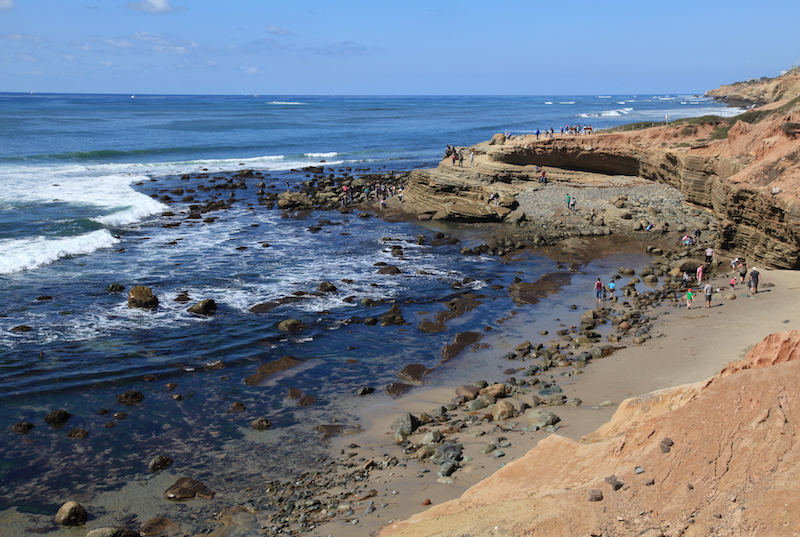
In 1542, Juan Rodriguez Cabrillo climbed out of his boat and onto shore, becoming the first European to set foot on what is now the West Coast of the United States. Cabrillo National Monument not only tells the story of this 16th-century exploration but also houses a wealth of cultural and natural resources. Join us and embark on your own Voyage of Exploration.
National Monument
Camp Nelson National Monument
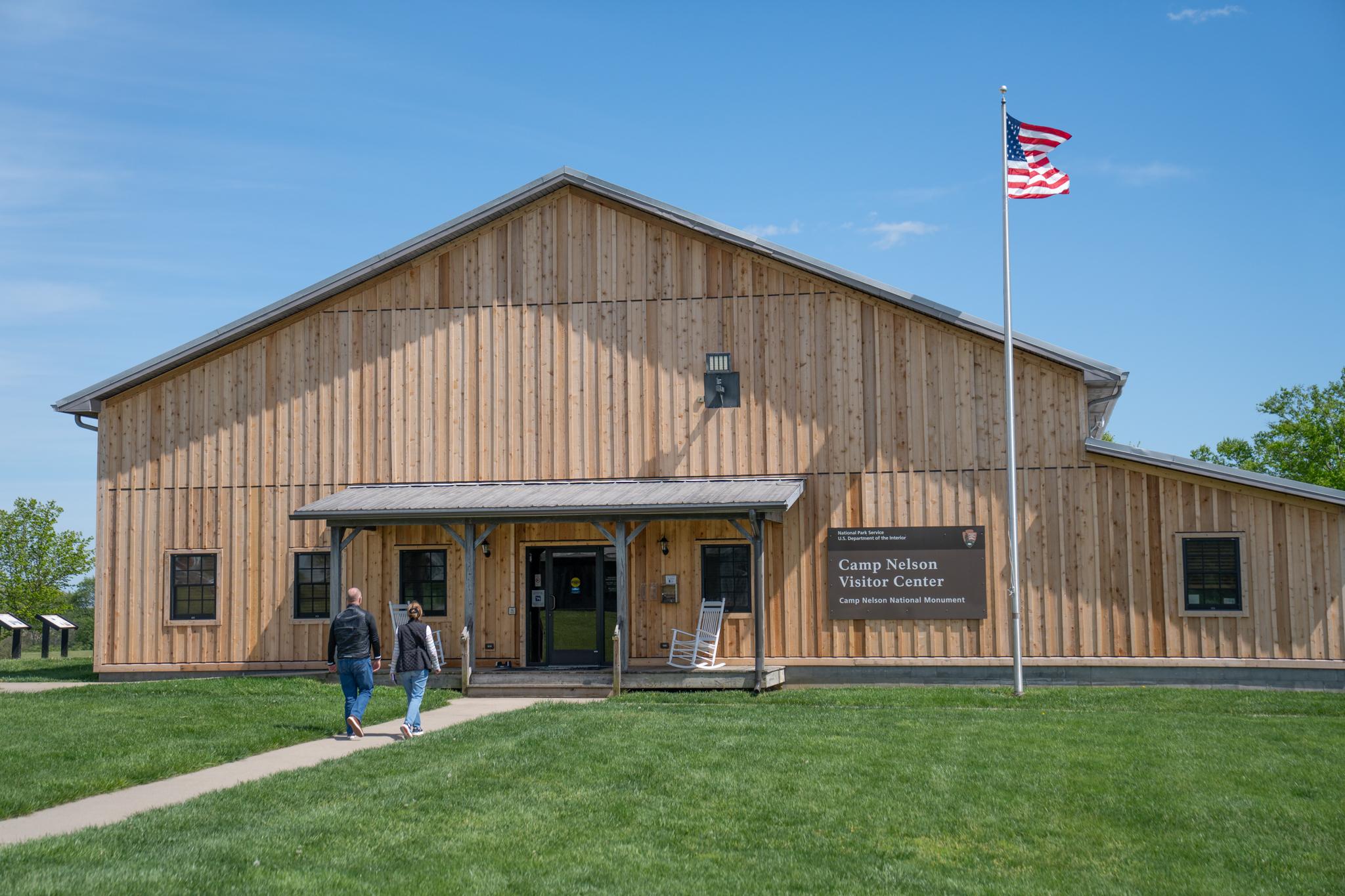
The US Army established Camp Nelson as a fortified supply depot in April 1863. Over the next 3 years, the site evolved into a massive recruitment and training center for United States Colored Troops and a refugee camp for their families. It served as a shelter for civilians fleeing war and for enslaved people hoping to secure their freedom and aid in the destruction of slavery.
National Seashore
Canaveral National Seashore
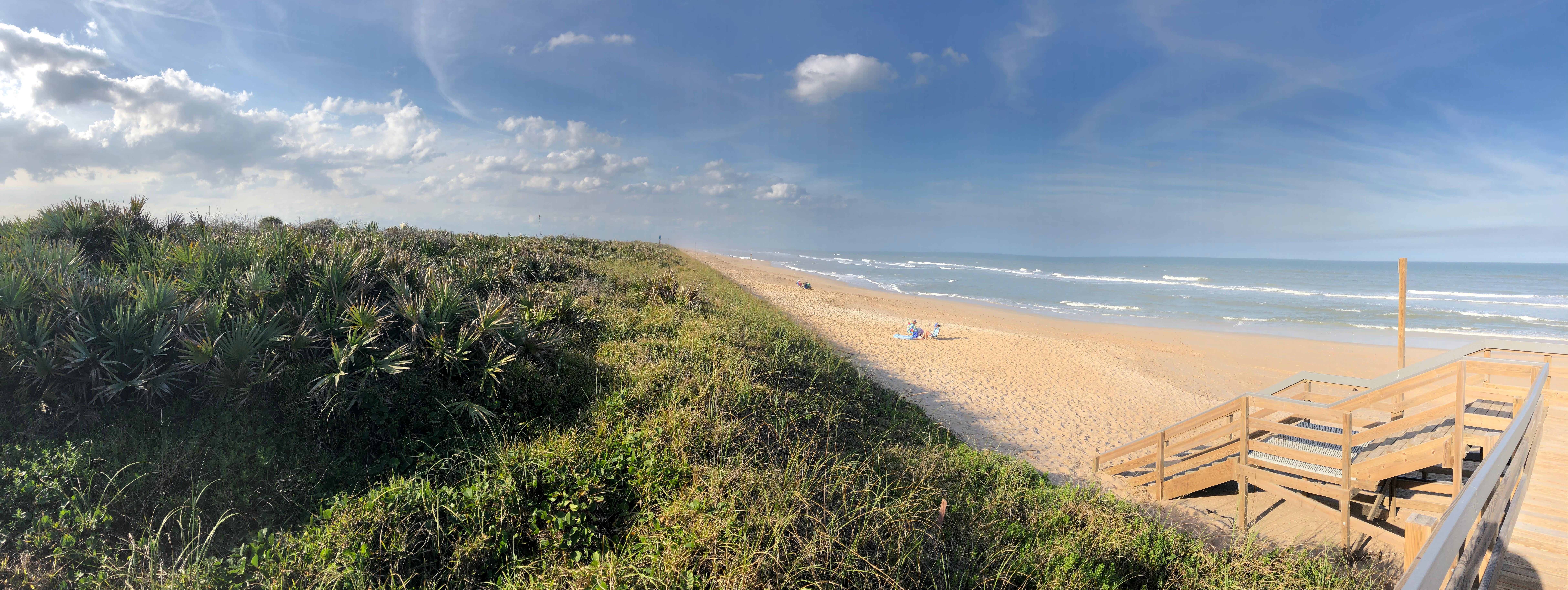
Discover a dynamic barrier island shaped by dunes, coastal hammocks, and Mosquito Lagoon. Walk among ancient Timucua shell mounds and connect with thousands of years of human history. Immerse yourself in a protected sanctuary where diverse plants and wildlife thrive—making Canaveral National Seashore a place where nature, history, and discovery come together.
National Historical Park
Cane River Creole National Historical Park
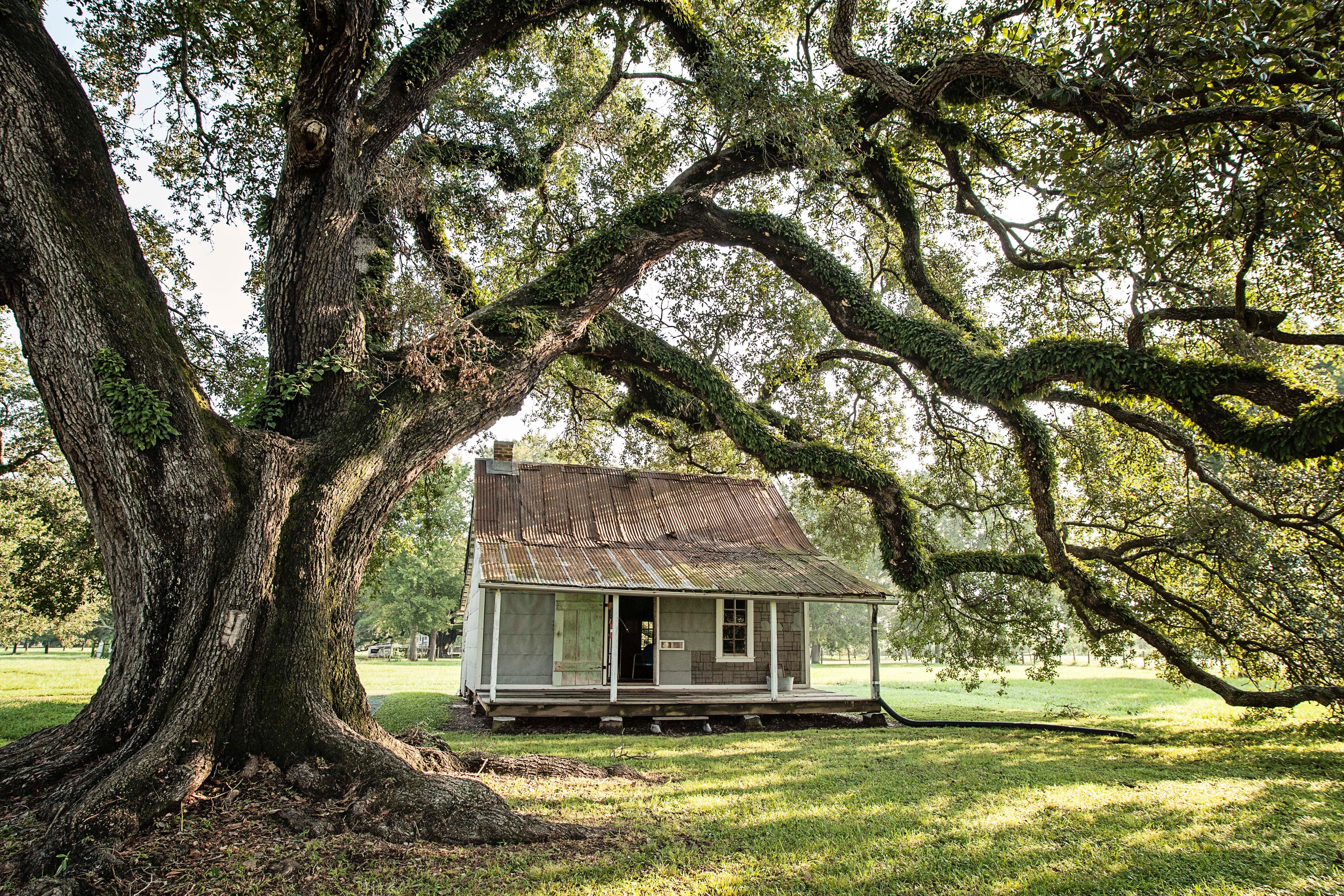
The Cane River region is home to a unique culture; the Creoles. Generations of the same families of workers, enslaved and tenant, and owners lived on these lands for over 200 years. The park tells their stories and preserves the cultural landscape of Oakland and Magnolia Plantations, two of the most intact Creole cotton plantations in the United States.
National Monument
Canyon de Chelly National Monument
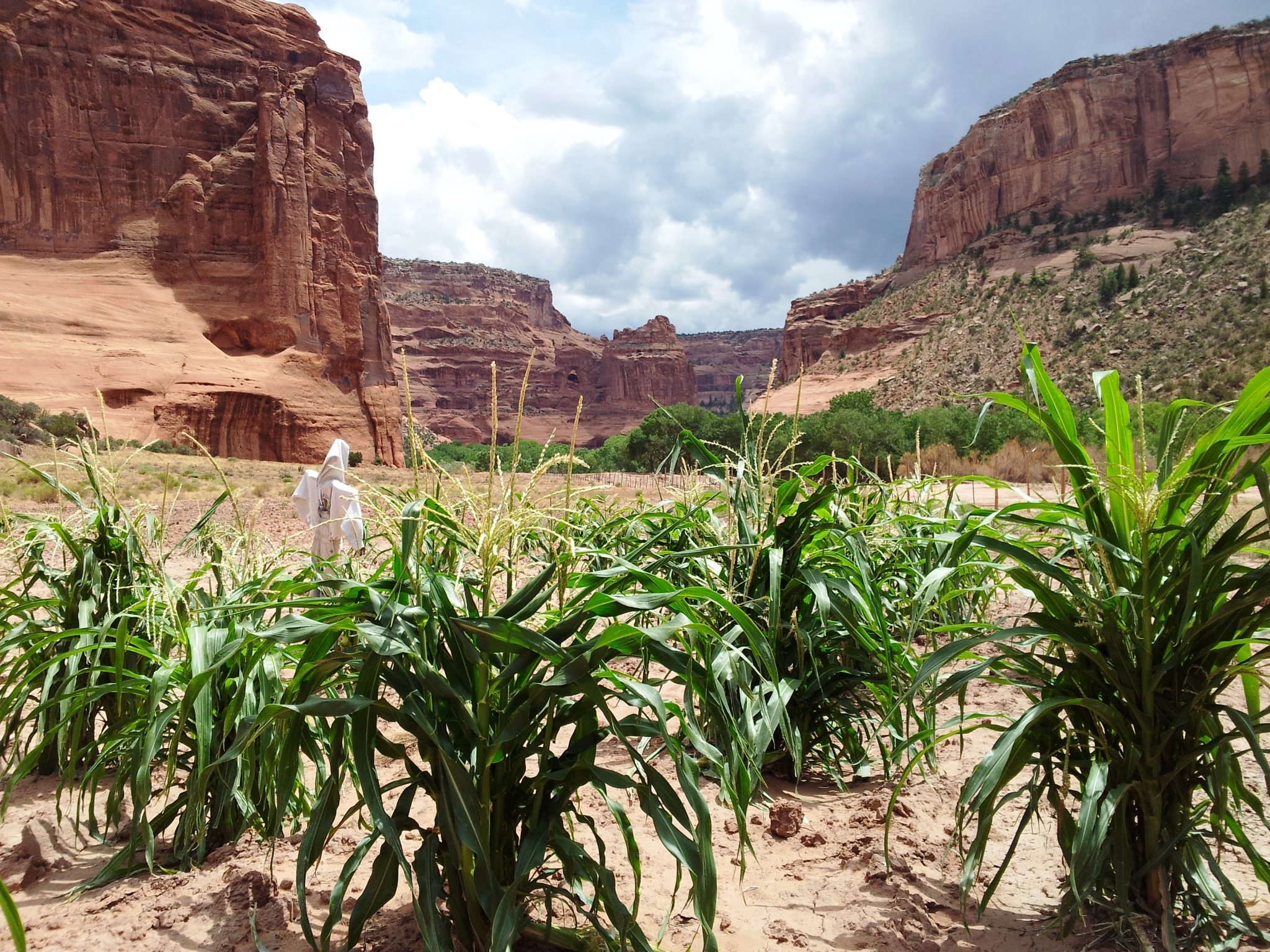
This canyon is home to Diné families who raise livestock, grow crops and live here. People have lived in these canyons for nearly 5,000 years, which is longer than anyone has lived continuously on the Colorado Plateau. In this place called Tsegi, their homes and images tell us their stories. Today, the park and Navajo Nation work together to manage the rich cultural and natural resources.
National Park
Canyonlands National Park
Canyonlands is a wilderness of canyons, buttes, and spires carved by the Colorado River and Green River. The park is divided into four distinct districts; no roads join them together. The districts share similar desert ecosystems, but each one provides unique opportunities for adventure and discovery.
National Seashore
Cape Cod National Seashore
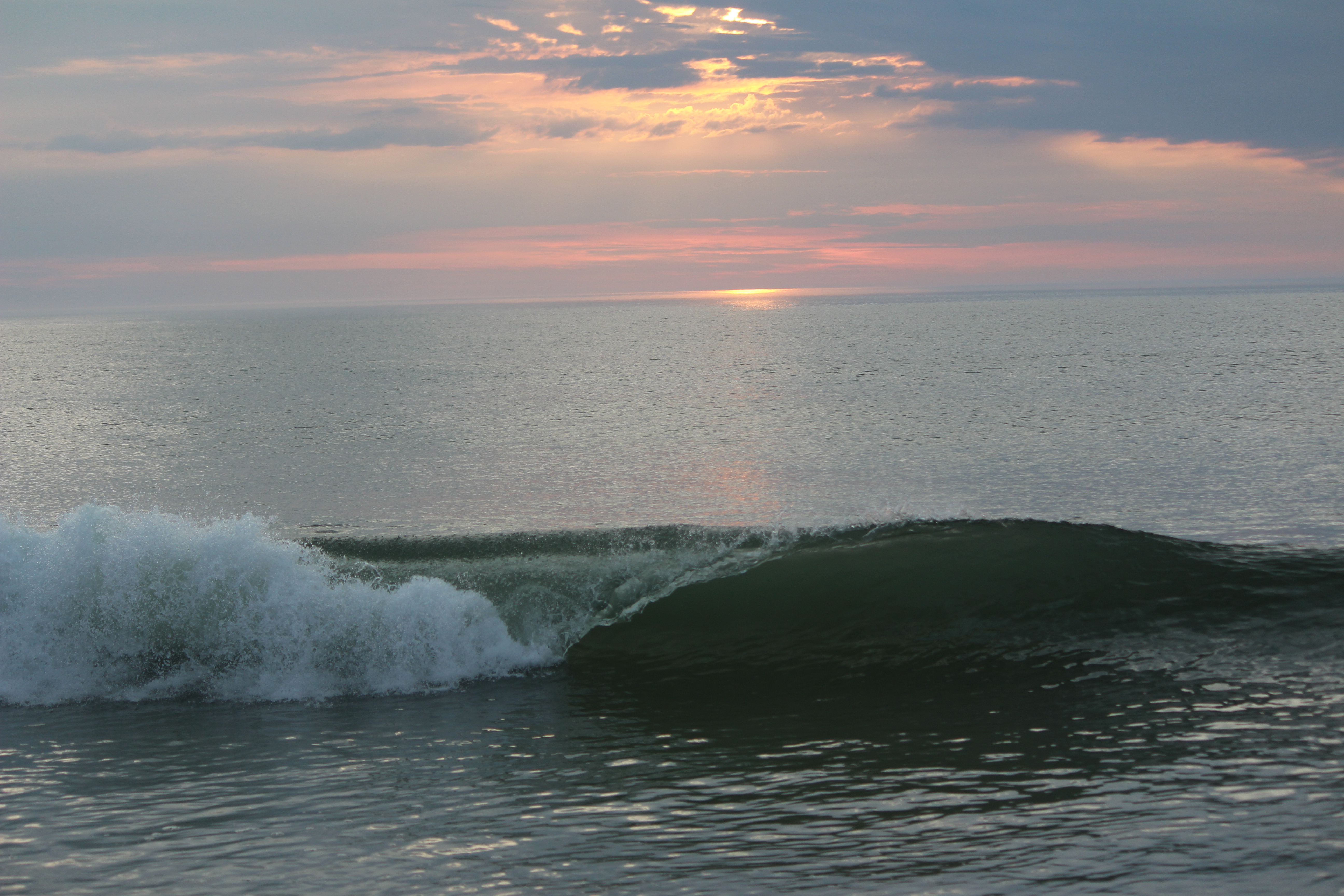
The great Outer Beach described by Thoreau in the 1800s is protected within the national seashore. Forty miles of pristine sandy beach, marshes, ponds, and uplands support diverse species. Lighthouses, cultural landscapes, and wild cranberry bogs offer a glimpse of Cape Cod's past and continuing ways of life. Swimming beaches and walking and biking trails beckon today's visitors.