Explore Parks
All ParksExploreActivitiesAlertsNewsroom
This site was made with love by Ben Myatt|API
National Park & Preserve

Lake Clark National Park & Preserve

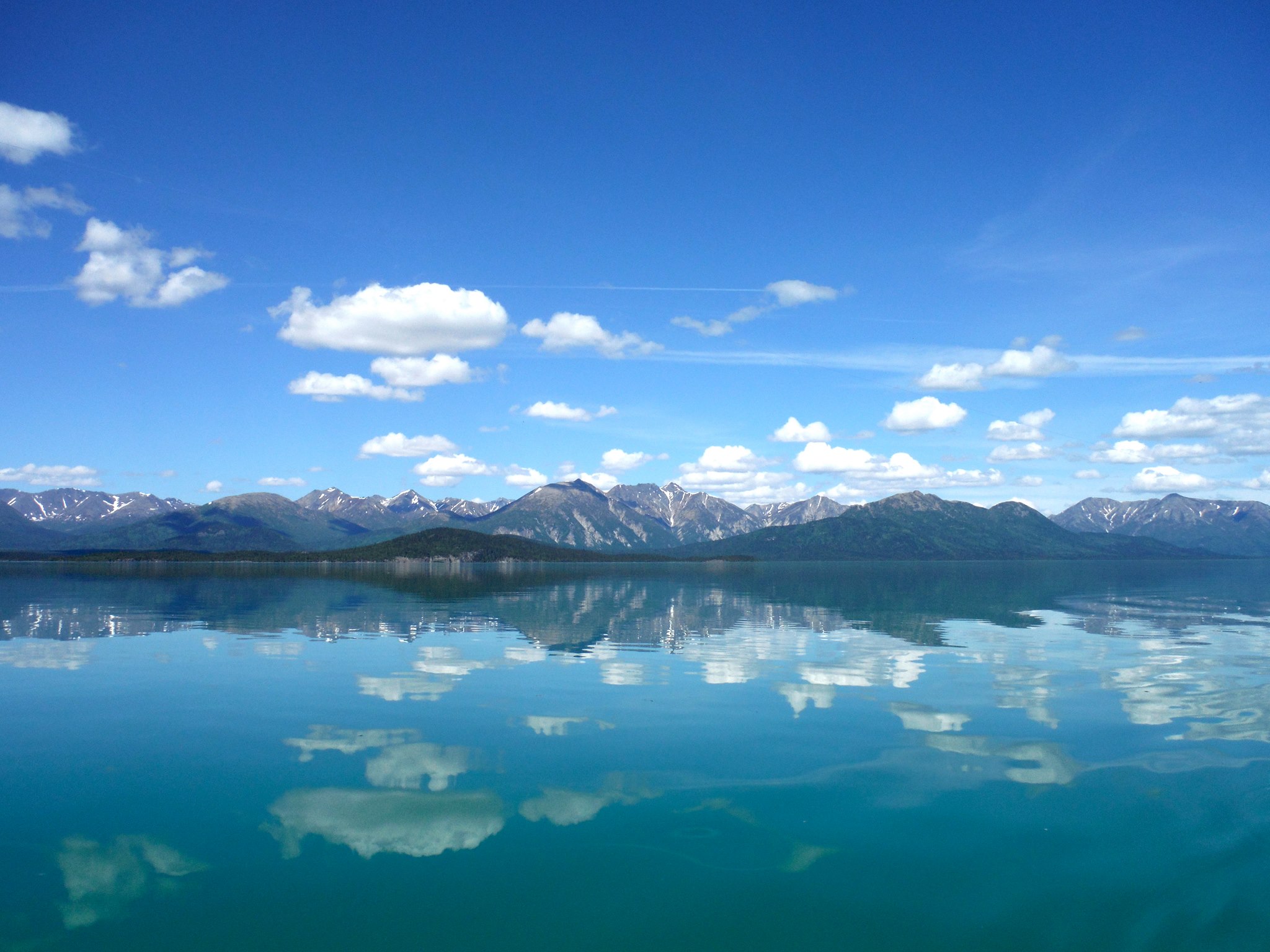
Photo of blue sky with fluffy white clouds reflect in calm lake with mountains in the background.

The park's namesake lake is the largest lake by volume in the National Park Service.

Photo: NPS Photo / James Kramer

About

Lake Clark National Park and Preserve is a land of stunning beauty. Volcanoes steam, salmon run, bears forage, and craggy mountains reflect in shimmering turquoise lakes. Here, too, local people and culture still depend on the land and water. Venture into the park to become part of the wilderness.

Activities

AstronomyStargazingBikingBoatingMotorized BoatingCampingBackcountry CampingCanoe or Kayak CampingClimbingMountain ClimbingCompass and GPSOrienteeringFishingFreshwater Fishing
Fly Fishing
Flying
Fixed Wing Flying
Guided Tours
Self-Guided Tours - Walking
Hiking
Backcountry Hiking
Front-Country Hiking
Off-Trail Permitted Hiking
Hunting and Gathering
Hunting
Paddling
Canoeing
Canoe or Kayak Camping
Kayaking
Stand Up Paddleboarding
Junior Ranger Program
Skiing
Cross-Country Skiing
Snow Play
Snowshoeing
Wildlife Watching
Birdwatching
Shopping
Bookstore and Park Store

Directions

Lake Clark is located on the Alaska Peninsula southwest of Anchorage and north of Katmai National Park. It is not on the road system; therefore, in order to get here you must travel either via plane or by boat. A one to two-hour flight from Anchorage, Kenai, or Homer will provide access to most points within Lake Clark. Fixed-wing aircraft are allowed to land on all suitable lakes, rivers, beaches, gravel bars, and open ground in both the park and preserve unless the area is closed or otherwise restricted.

Get directions →

Weather

Lake Clark has two distinct climate areas: the coast and the interior. The coast is wetter and experiences milder temperatures. The interior gets half to one fourth as much precipitation, but temperatures are hotter in summer and colder in winter. Frost and snow can occur any time parkwide, but are most common from September to early June. Lakes here typically begins freezing in November and melting in April. Ice conditions dictate whether planes need floats or skis to land on lakes.

News

Lake Clark National Park & Preserve Prescribed Burn of Forest Debris Scheduled for March 9-19
Feb 26, 2026

Lake Clark National Park & Preserve Prescribed Burn of Forest Debris Scheduled for March 9-19

Prescribed Burn of Forest Debris Scheduled for March 9-19.

Jan 21, 2026

Lake Clark National Park Subsistence Resource Commission to meet via teleconference only February 7, 2026

The National Park Service’s Lake Clark National Park Subsistence Resource Commission special meeting to discuss the Secretarial Review of the Federal Subsistence Management Program will be held via teleconference on Saturday, February 7, 2026 at 1:00PM.

Dec 15, 2025

Candidates Sought for Subsistence Resource Commission, December 11, 2025

The Superintendent of Lake Clark National Park and Preserve is seeking nominations for new members to represent subsistence users on the Lake Clark National Park Subsistence Resource Commission (SRC).