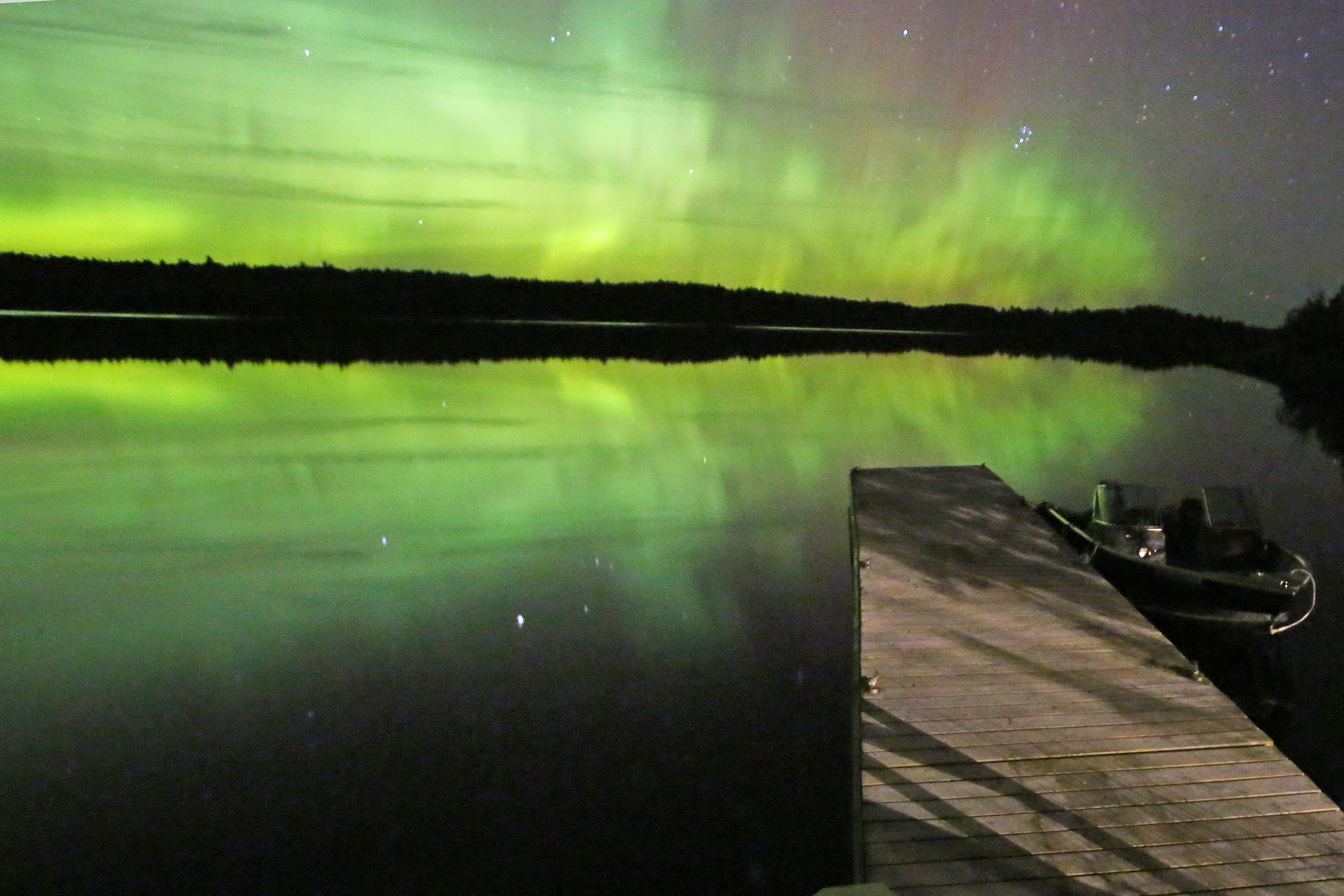
Experience the Aurora Borealis at Voyageurs National Park
Photo: NPS /Dimse
About
Voyageurs National Park spans 218,000 acres of lakes, forests, and streams in northern Minnesota. Established in 1975, the park is named after the French-Canadian Voyageurs who once navigated these abundant waters. Voyageurs National Park provides exceptional opportunities for recreation and exploration amidst landscapes rich in natural beauty, history, and cultural heritage.
Activities
Arts and CultureCultural DemonstrationsAstronomyStargazingBikingBoatingMotorized BoatingSailingBoat TourCampingBackcountry CampingCanoe or Kayak CampingGroup CampingRV CampingFishingFreshwater FishingFood
Directions
Voyageurs National Park is located in Northern Minnesota near the Canadian border. Access to Voyageurs is available from many points along Rainy Lake, Kabetogama Lake, Ash River, Crane Lake, and Orr/Pelican Lake. The park's visitor centers and many trails can be reached by car, but much of Voyageurs is best explored by boat. All campsites in the park, except primitive, require a boat to reach.
Get directions →Weather
There are four distinct seasons in Voyageur country. During June, July, and August periods of fine, mild weather prevail. The frost-free season averages 120 days from June to mid-September. The average ice-out date is May 3. The first measurable snowfall occurs in late October and the last in late April or early May.
News
Oct 2, 2026
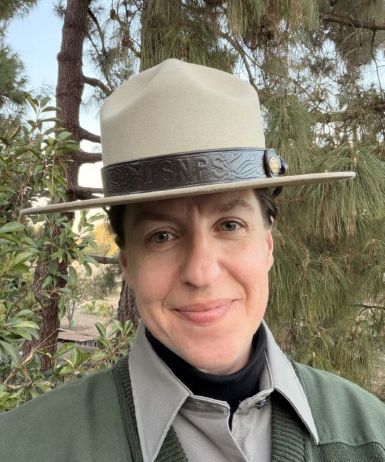
Jennifer Onufer Selected as Superintendent of Voyageurs National Park
The National Park Service today announced the selection of Jennifer Onufer as its next superintendent of Voyageurs National Park. Onufer will begin her new role this fall, bringing more than two decades of experience in public service, park operations and resource management across NPS and the Bureau of Reclamation.
Aug 24, 2026
Voyageurs National Park Lifts Campfire Restrictions Parkwide
The National Park Service has lifted campfire restrictions in Voyageurs National Park effective August 24, 2026, at 3:00 p.m., due to cooler weather and a lower risk of wildfire. The lifting of the elevated fire restrictions aligns with changes made by the U.S. Forest Service in the Superior National Forest and the Minnesota Department of Natural Resources.
Aug 11, 2026
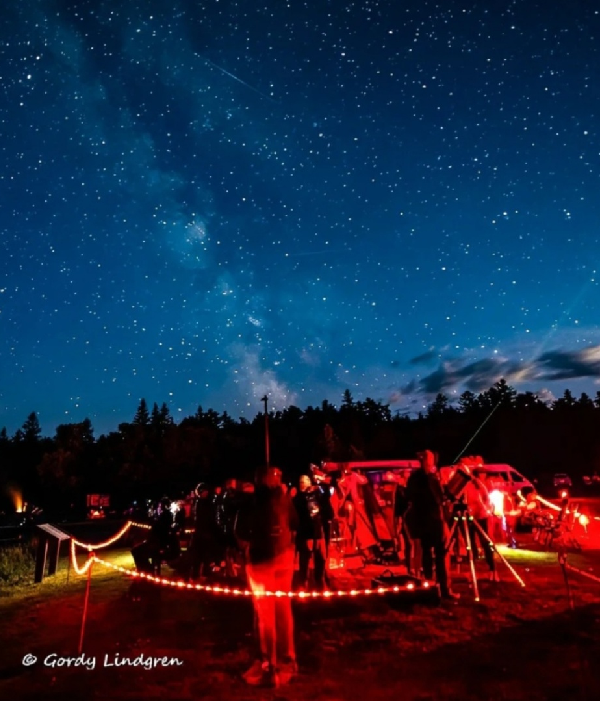
Voyageurs National Park Invites Public to Sixth Annual Star Party