
Several hundred bison roam the rolling prairie of Wind Cave National Park.
Photo: NPS Photo / Dan Roddy
About
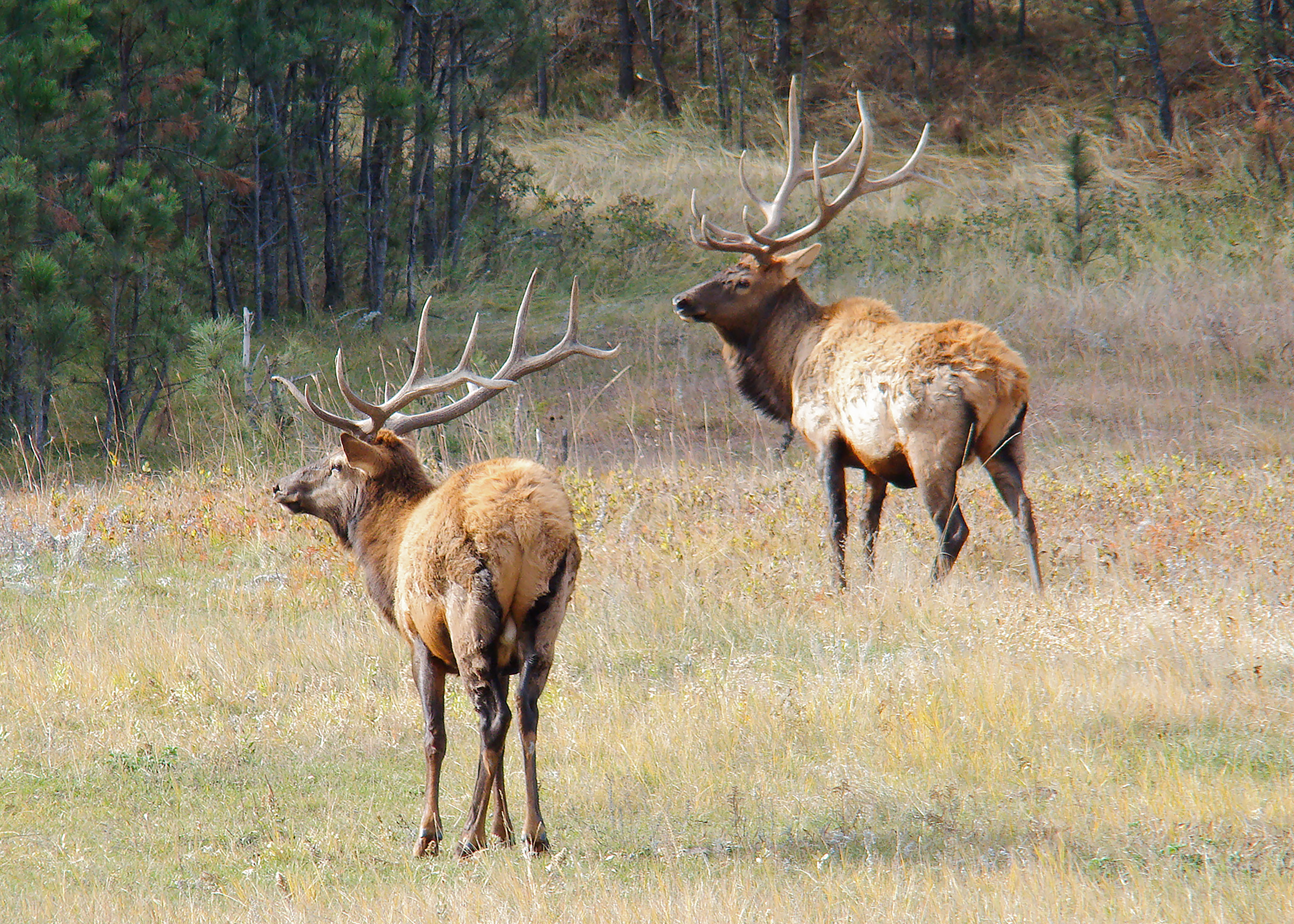
Wind Cave National Park protects two very different worlds - one deep within the earth, the other a sunlit world of many resources. Bison, elk, and other wildlife roam the rolling prairie grasslands and forested hillsides of one of America's oldest national parks. Below the remnant island of intact prairie sits Wind Cave, one of the longest and most complex caves in the world.
Activities
Auto and ATVScenic DrivingBikingRoad BikingCampingBackcountry CampingCar or Front Country CampingGroup CampingRV CampingCavingFoodPicnickingGuided ToursSelf-Guided Tours - AutoHikingBackcountry HikingFront-Country Hiking
Directions
Wind Cave National Park is located in South Dakota about 11 miles north of Hot Springs, or about 22 miles south of Custer, on US Highway 385. The park Visitor Center, where all cave tours begin, is approximately 1/2 mile west of the highway.
Get directions →Weather
Spring: Highs range from 50-70°F with highly variable weather. Spring is the park's wettest season. Summer: Hot and generally dry with daytime temperatures regularly exceeding 80°F (27°C). Strong thunderstorms are common and can produce large hail and lightning. Fall: Generally dry with warm days and cool nights. Highs 50-60°F. Lows below freezing are common. Winter: Highs are in the high 30s with lows around 10°F. Snowfall averages 30 inches annually, periodically closing park roads.
News
Sep 2, 2026
Elk Bugling Programs and Cave Tours Offered This Fall at Wind Cave National Park
Wind Cave National Park will offer ranger-led elk bugling programs on select evenings in September and October in addition to daily cave tours.

Aug 13, 2026
Theodore Roosevelt Actor Visits Wind Cave National Park
Theodore Roosevelt impersonator Kurt Skinner will bring the country’s 26 president to life at a performance at Wind Cave National Park on August 27.

Jun 16, 2026
Three Bats Test Positive for Rabies at Wind Cave National Park
Since May, Wind Cave National Park has identified three bats that tested positive for rabies.