
National Park
Acadia National Park
Acadia National Park protects the natural beauty of the highest rocky headlands along the Atlantic coastline of the United States, an abundance of habitats, and a rich cultural heritage. At 4 million visits a year, it's one of the top 10 most-visited national parks in the United States. Visitors enjoy 27 miles of historic motor roads, 158 miles of hiking trails, and 45 miles of carriage roads.

National Monument
Frances Perkins National Monument
Known as the first woman to hold a presidential cabinet position and the “Woman behind the New Deal,” Frances Perkins championed many labor rights that Americans enjoy today, including safety standards, Social Security, and shorter workweeks. Her impressive career and accomplishments, including as Secretary of Labor, opened the door for other women to hold high government positions.
National Monument
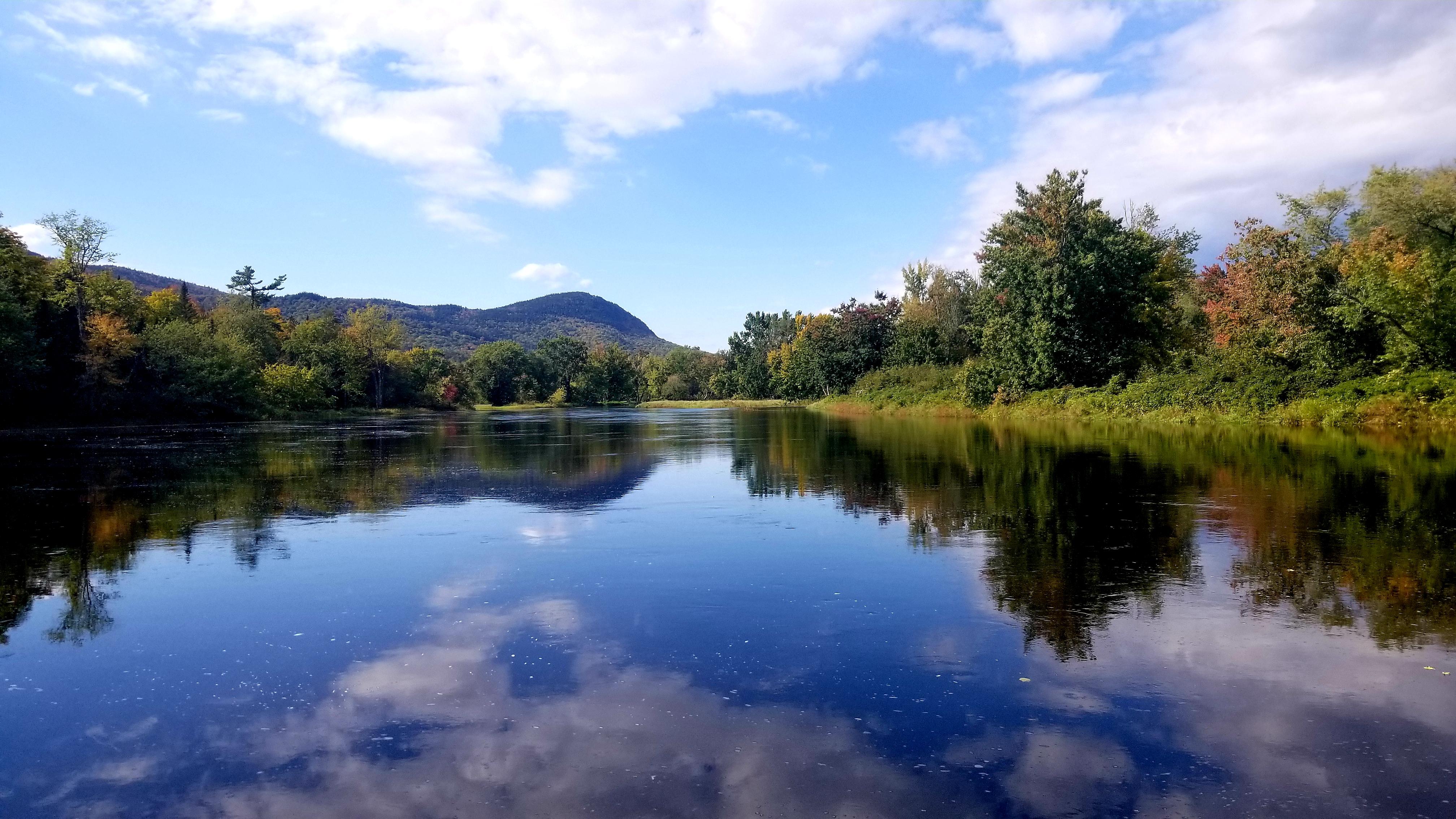
Katahdin Woods and Waters National Monument
Spread across a wild landscape offering spectacular views of Katahdin, Katahdin Woods and Waters invites discovery of its rivers, streams, woods, flora, fauna, geology, and the night skies that have attracted humans for millennia.
Park
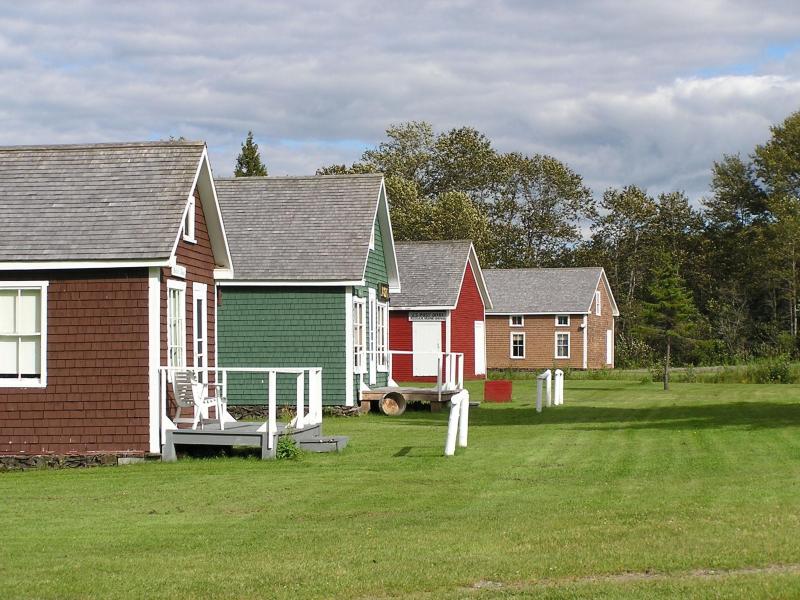
Maine Acadian Culture
Maine Acadians share beliefs and experiences tying them to a common religion, languages, and history. The St. John River, land, and family are essential to their culture. The National Park Service supports the Maine Acadian Heritage Council, an association of historical societies, cultural clubs, towns, and museums that work together to support Maine Acadian culture in the St. John Valley.
International Park
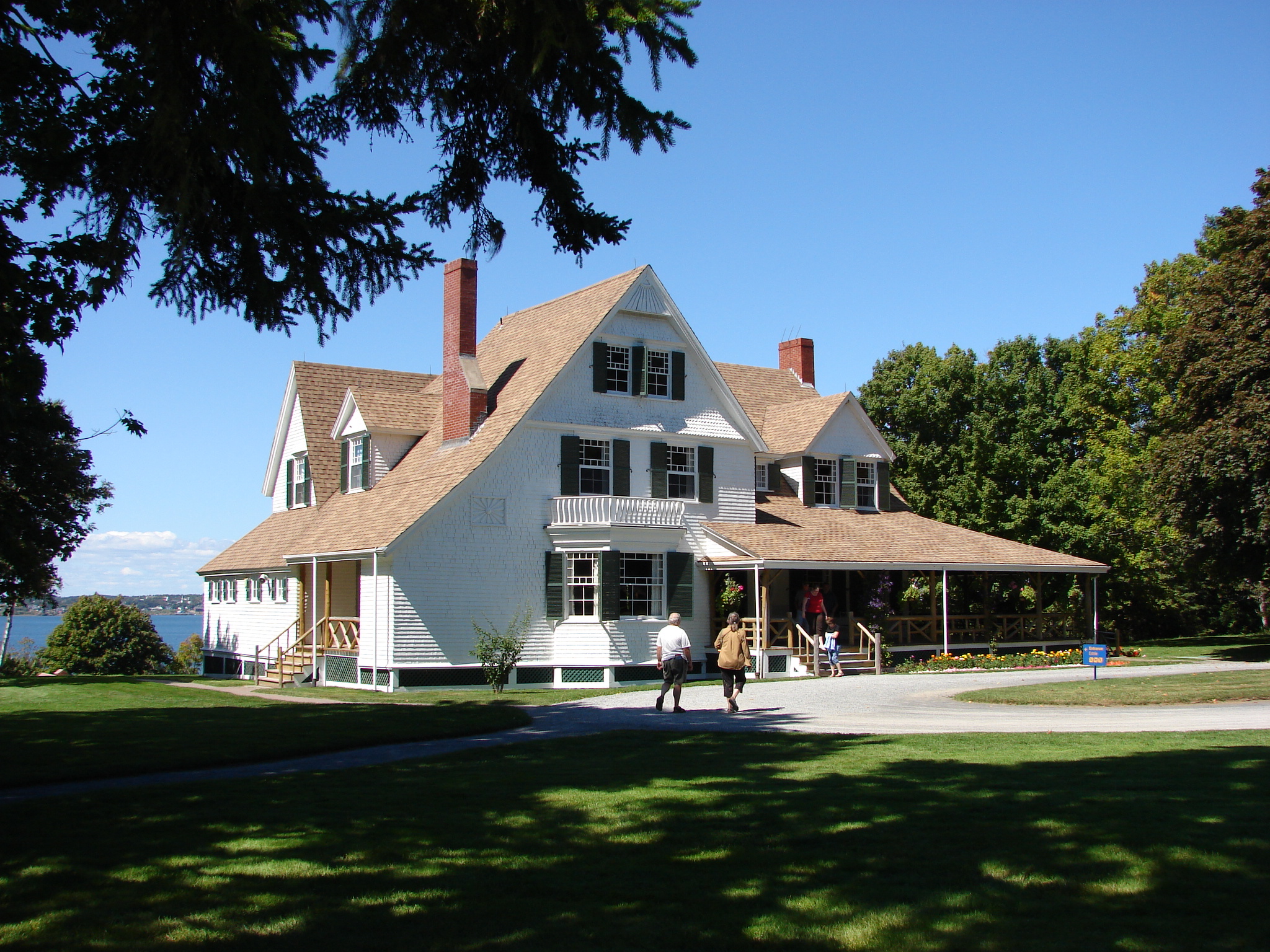
Roosevelt Campobello International Park
For many years, Franklin D. Roosevelt summered on Campobello Island. As an adult, he shared with his family the same active pursuits he enjoyed on the island as child. Although he visited less frequently after contracting polio, Campobello remained important to FDR. Today Roosevelt Campobello International Park serves as a memorial to FDR and a symbol of cooperation between the U.S. and Canada.
International Historic Site
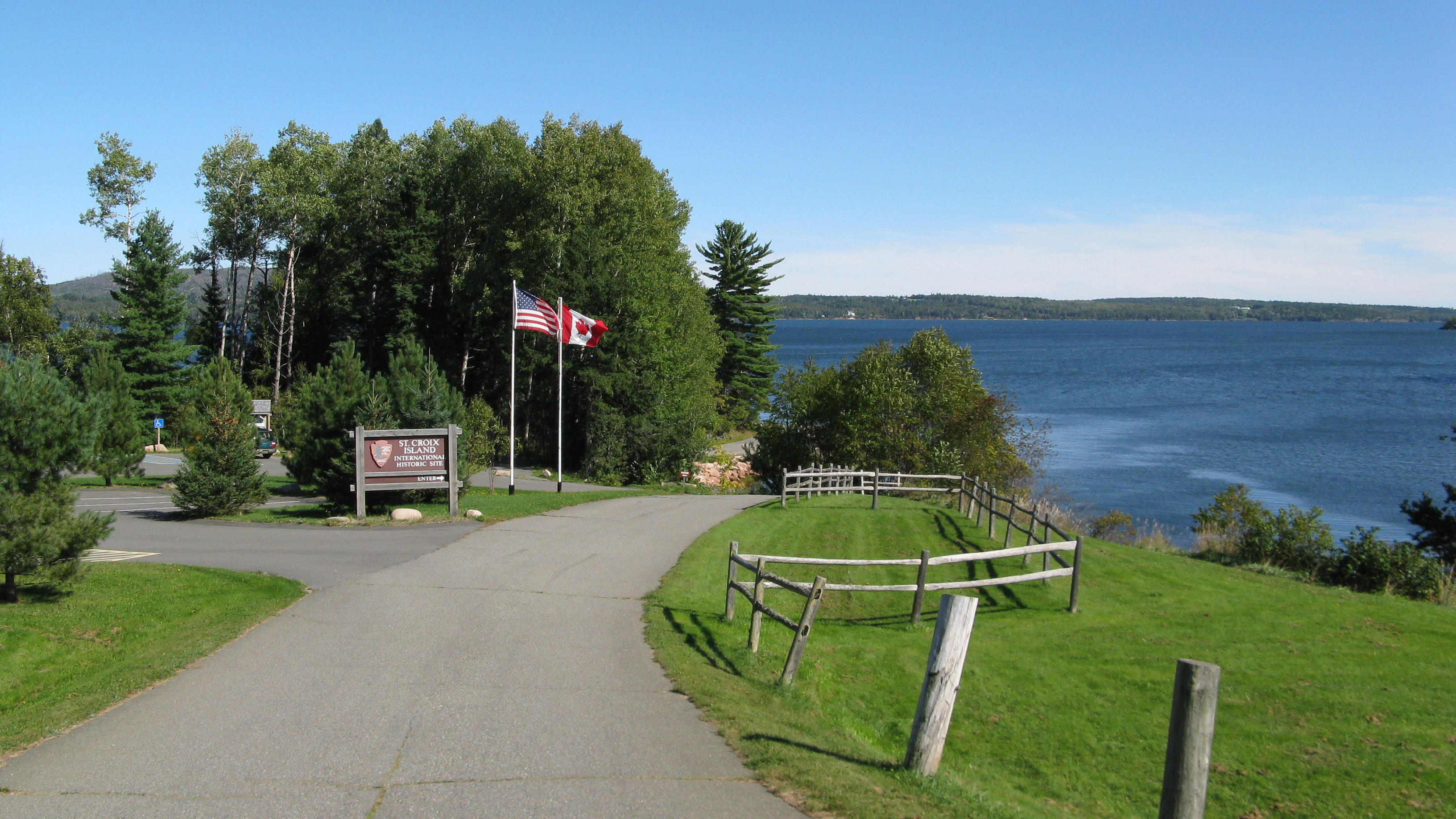
Saint Croix Island International Historic Site
The winter of 1604-1605 on Saint Croix Island was a cruel one for Pierre Dugua's French expedition. Iced in by freezing temperatures and cut off from fresh water and game, 35 of 79 men died. As spring arrived and native people traded game for bread, the health of those remaining improved. Although the expedition moved on by summer, the beginning of French presence in North America had begun.