National Recreation Area
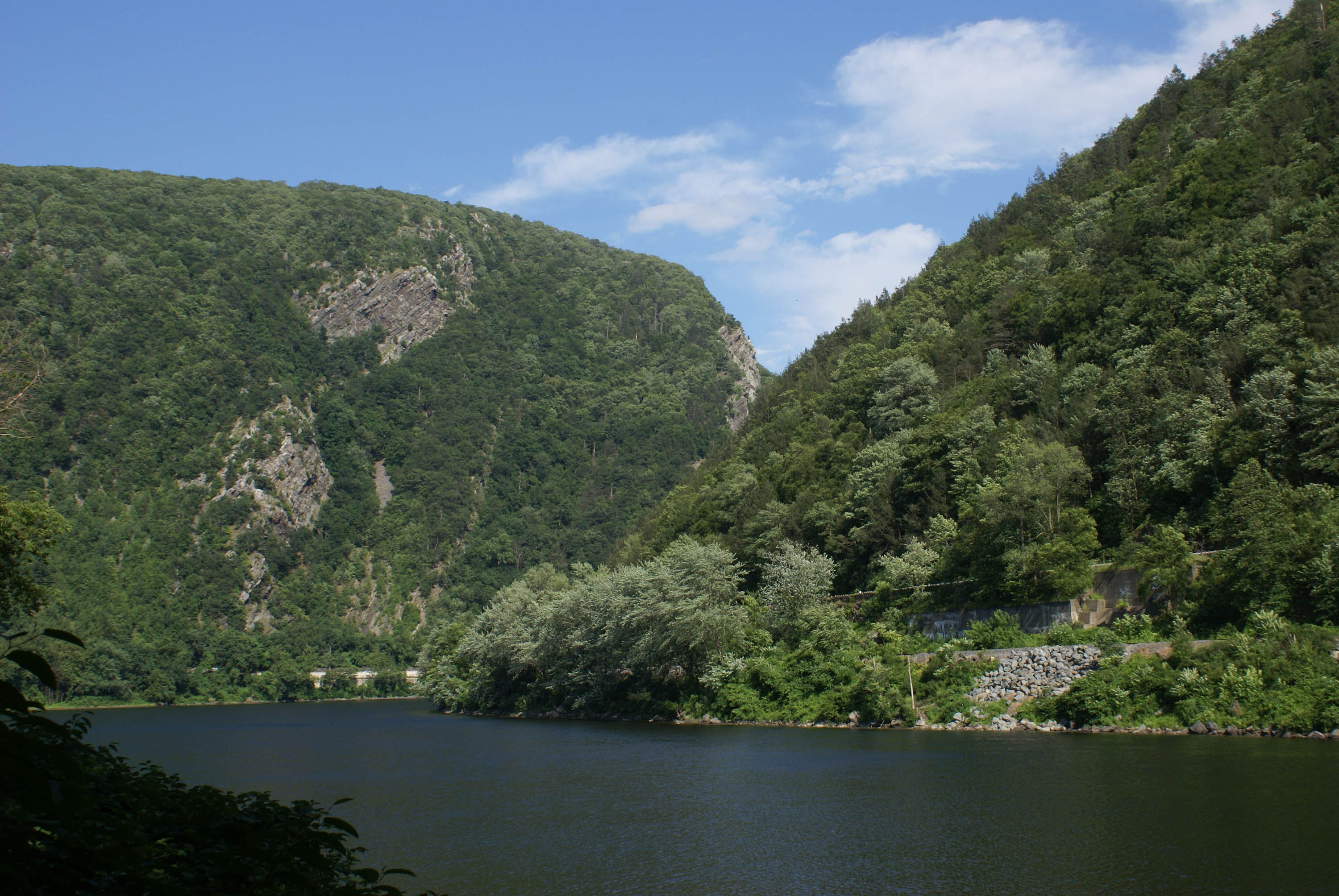
Delaware Water Gap National Recreation Area
Situated within the most densely populated region of the United States, Delaware Water Gap National Recreation Area provides a unique opportunity to experience tranquil landscapes, rich human history, and striking scenery along 40 miles of the longest free-flowing river east of the Mississippi. The park offers year-round recreation including hiking, paddling, fishing, and hunting.
National Recreation Area
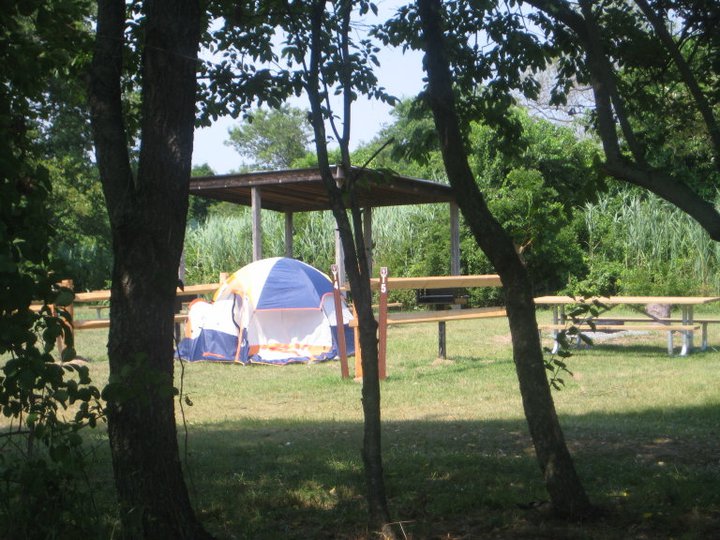
Gateway National Recreation Area
Spanning 27,000 acres from Sandy Hook in New Jersey to Breezy Point in New York City, the park is both the gateway from the ocean into New York Harbor, and the gateway to the National Park Service for millions of visitors every year. Gateway offers green spaces and beaches alongside historic structures and cultural landscapes. Every day, Gateway is open for you to explore, envision, and enjoy!
Park
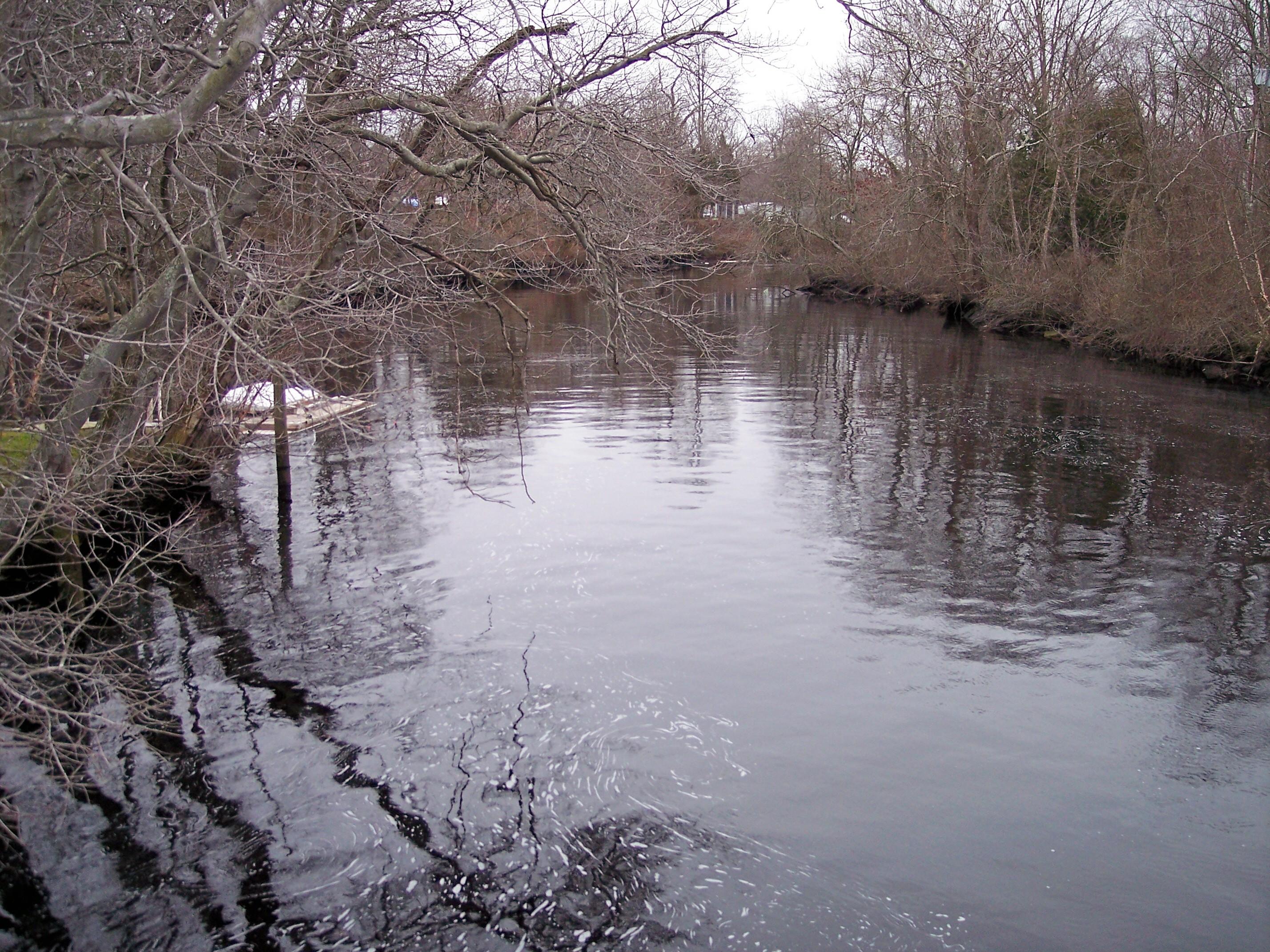
Great Egg Harbor River
Both the harbor and river were named for the shorebird and waterfowl eggs covering their meadows. During the American Revolution, privateers hid here. Established as a National Park Service site in 1992, Great Egg Harbor National Wild and Scenic River is one of nation's best birding spots. Local jurisdictions administer its lands. The 129-mile river system flows through Pinelands National Reserve.
National Wild and Scenic River
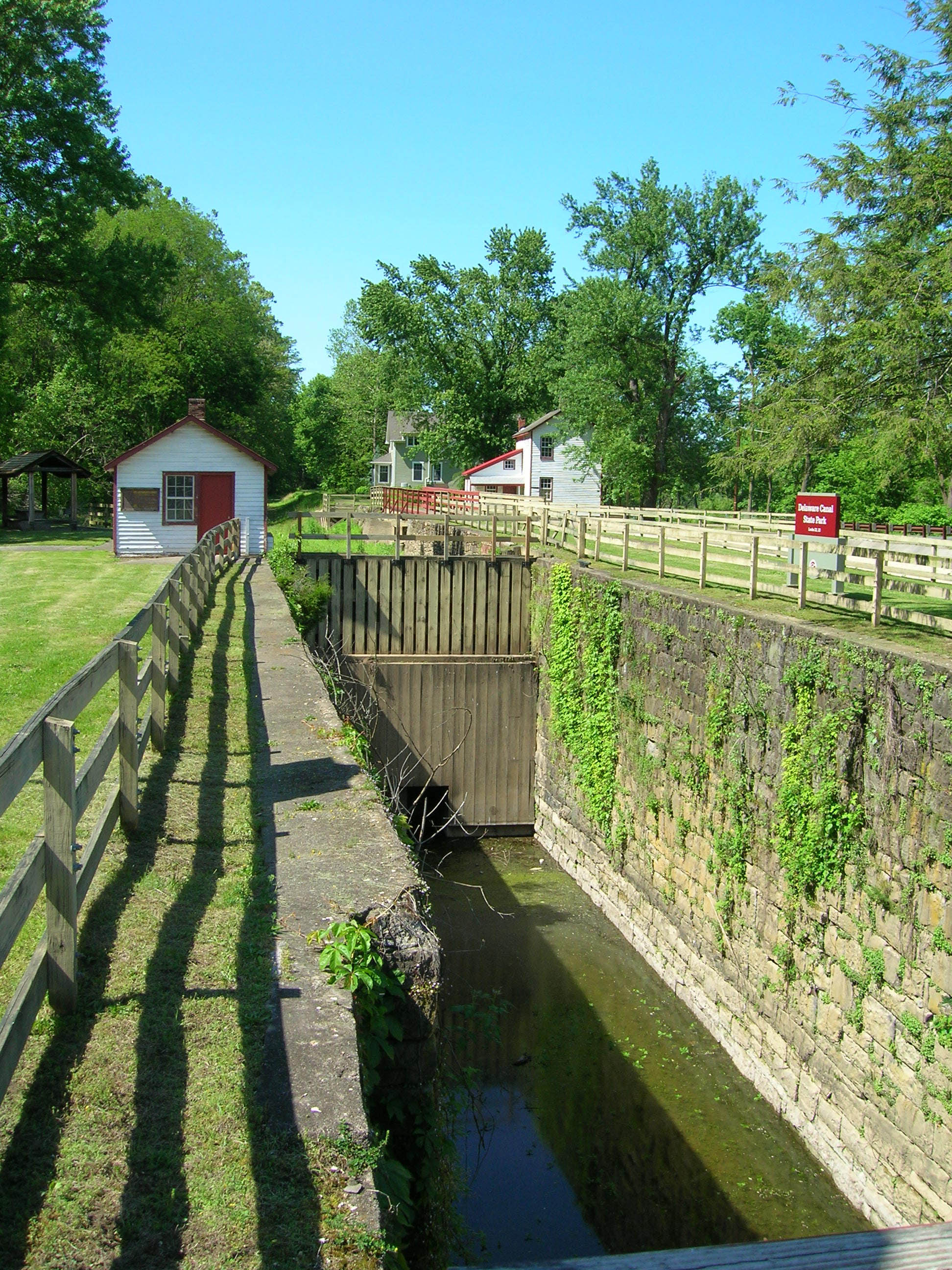
Lower Delaware National Wild and Scenic River
The Delaware River, the largest free-flowing river in the eastern United States, runs past forests, farmlands and villages. It also links some of the most densely populated regions in America. In 2000, the National Wild and Scenic River System incorporated key segments of the lower Delaware River to form this unit of the National Park System.
National Historical Park
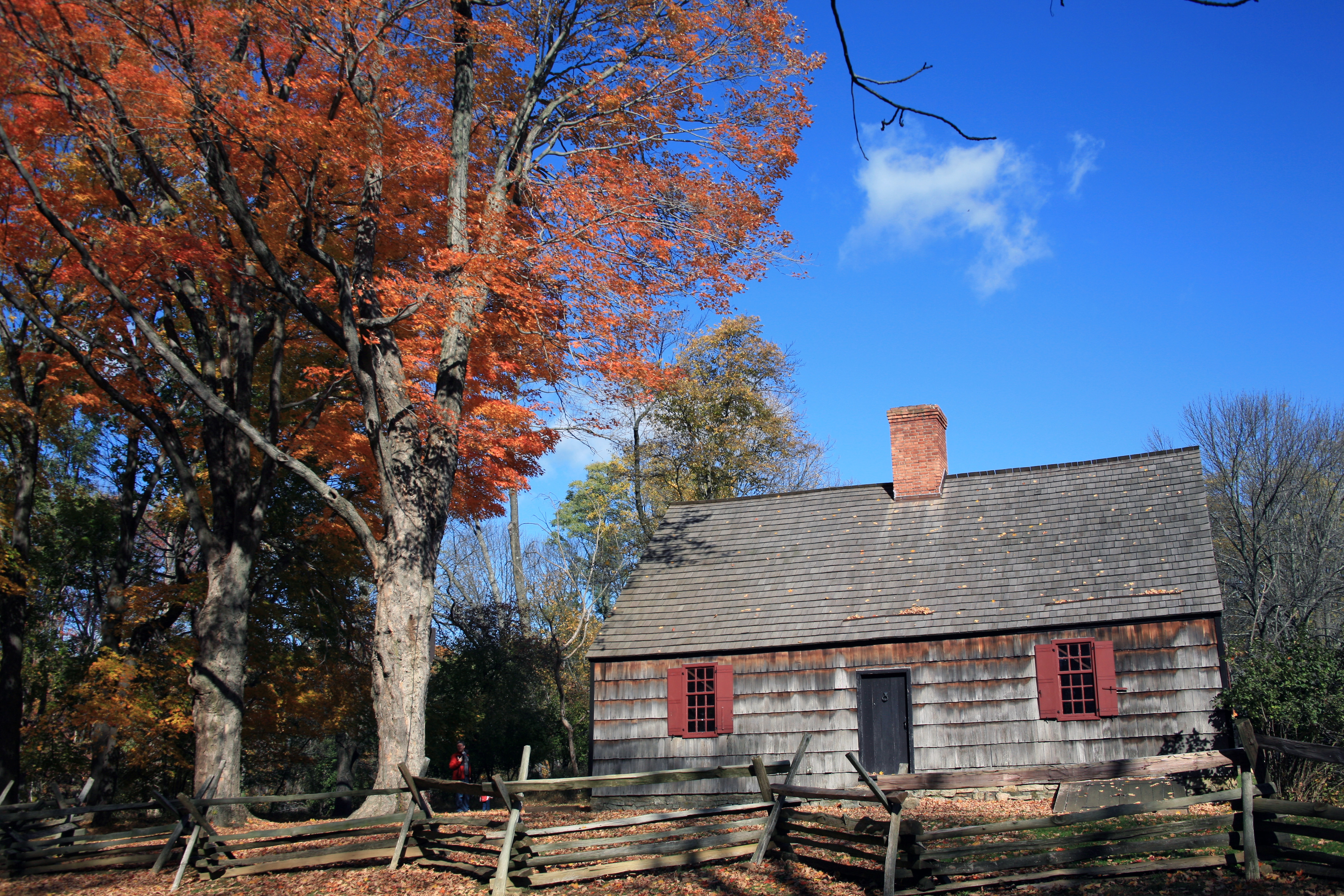
Morristown National Historical Park
Morristown National Historical Park commemorates the sites of General Washington and the Continental Army’s winter encampment from December 1779 to June 1780, where soldiers survived the coldest winter on record. The park also maintains a museum and library collection related to the encampments and to George Washington, as well as items from both pre- and post-Revolutionary America.
National Reserve
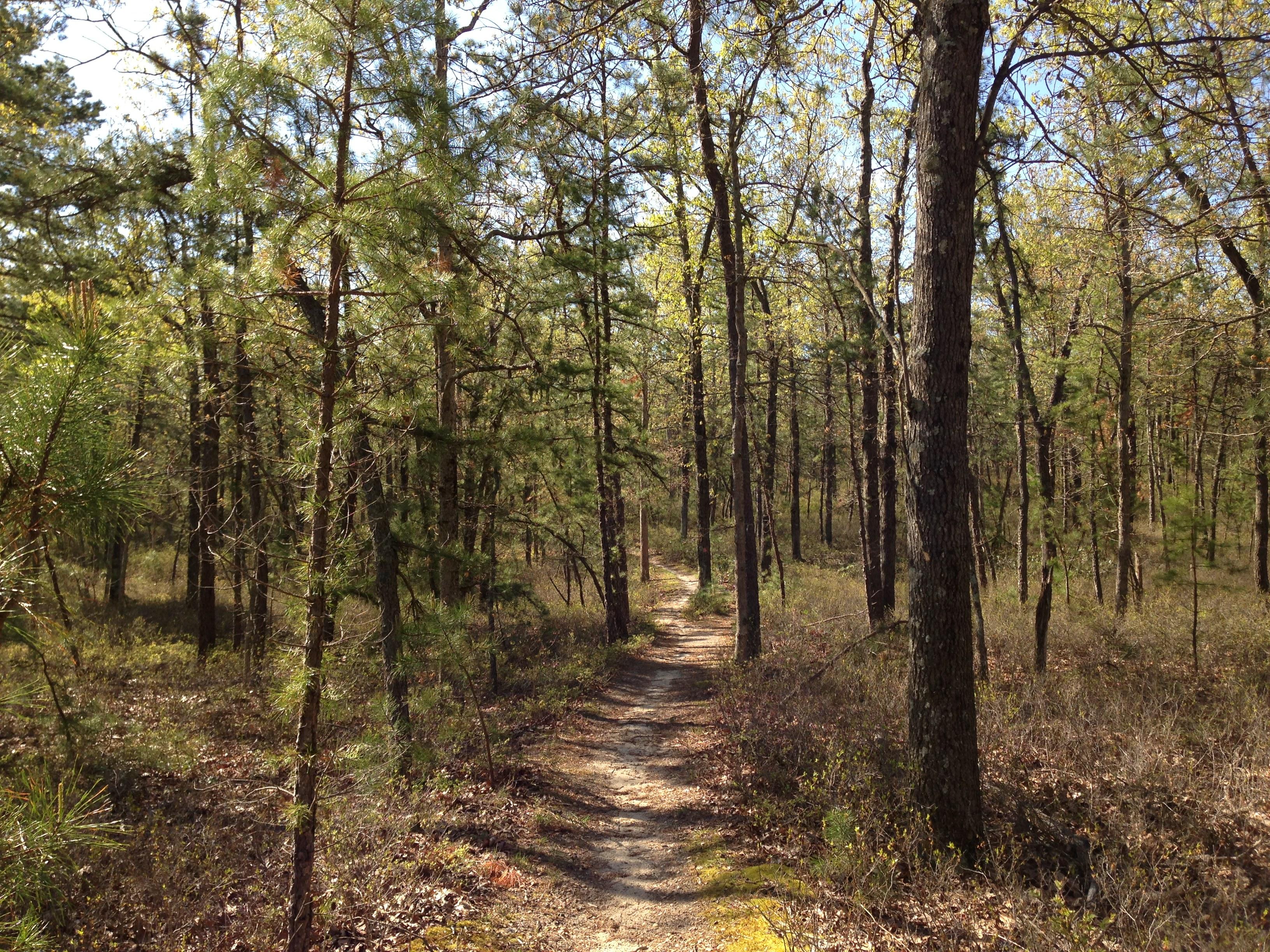
New Jersey Pinelands National Reserve
This is truly a special place. It's classified as a United States Biosphere Reserve and in 1978 was established by Congress as the country’s first National Reserve. It includes portions of seven southern New Jersey counties, and encompasses over one-million acres of farms, forests and wetlands. It contains 56 communities, from hamlets to suburbs, with over 700,000 permanent residents.
National Historical Park
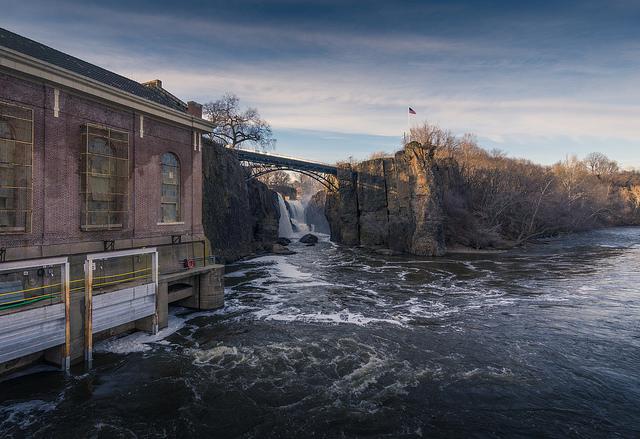
Paterson Great Falls National Historical Park
Silk cloth and steam locomotives; textiles and continuous paper rolls; firearms and aircraft engines. What do these things have in common? All were manufactured in the same place - Paterson, NJ. In 1792, Paterson was established as America's first planned industrial city, centered around the Great Falls of the Passaic River. From humble mills rose industries that changed the face of the nation.
National Historical Park
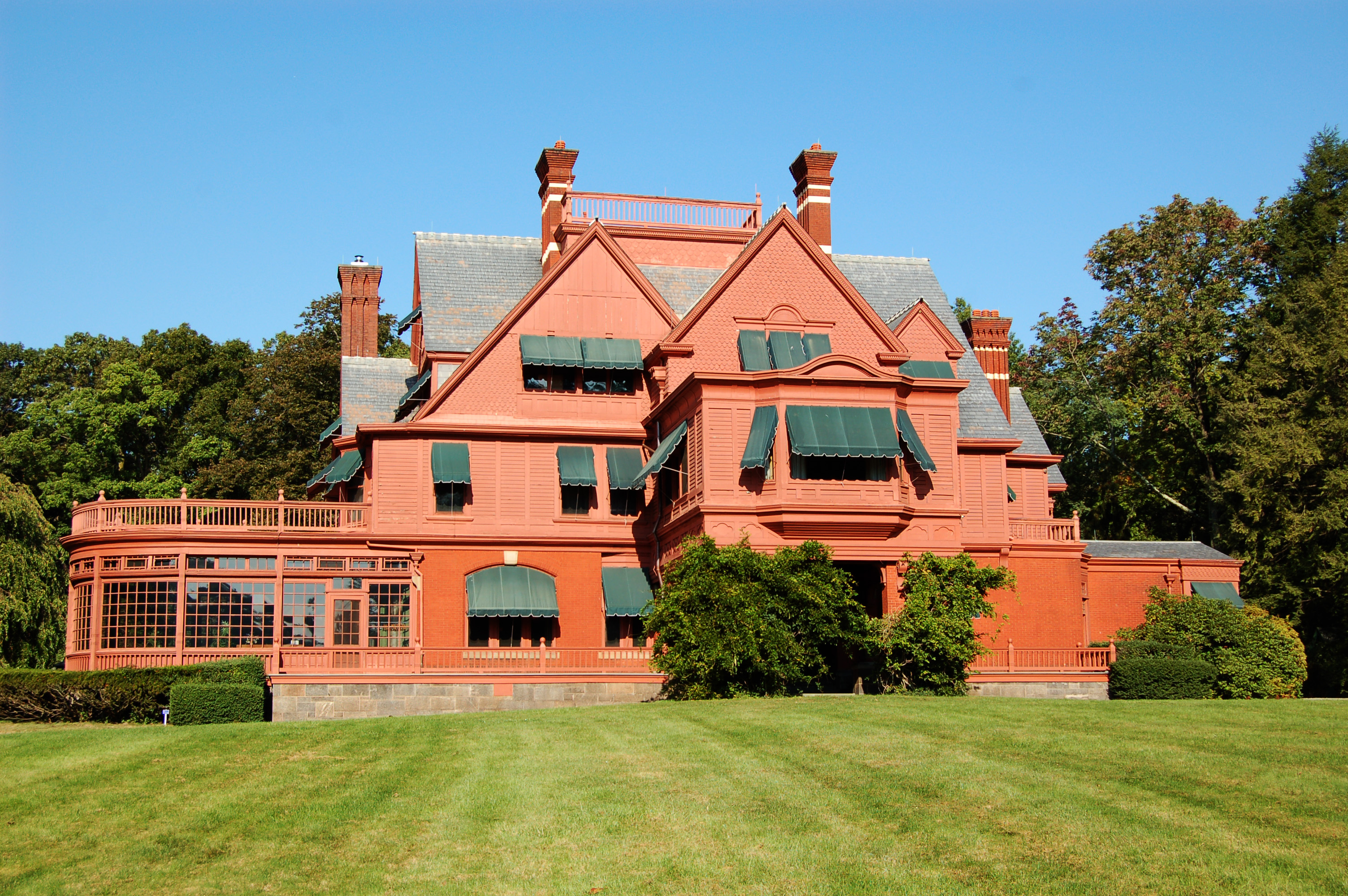
Thomas Edison National Historical Park
Today, the brick buildings on Main Street in West Orange, NJ seem quiet, betraying little evidence of the research, development, and innovation of their heyday. Visitors can step back in time to Thomas Edison’s home and laboratory, when machines were run by belts and pulleys and music was played on phonographs. Discover where America’s greatest inventor changed our world forever.