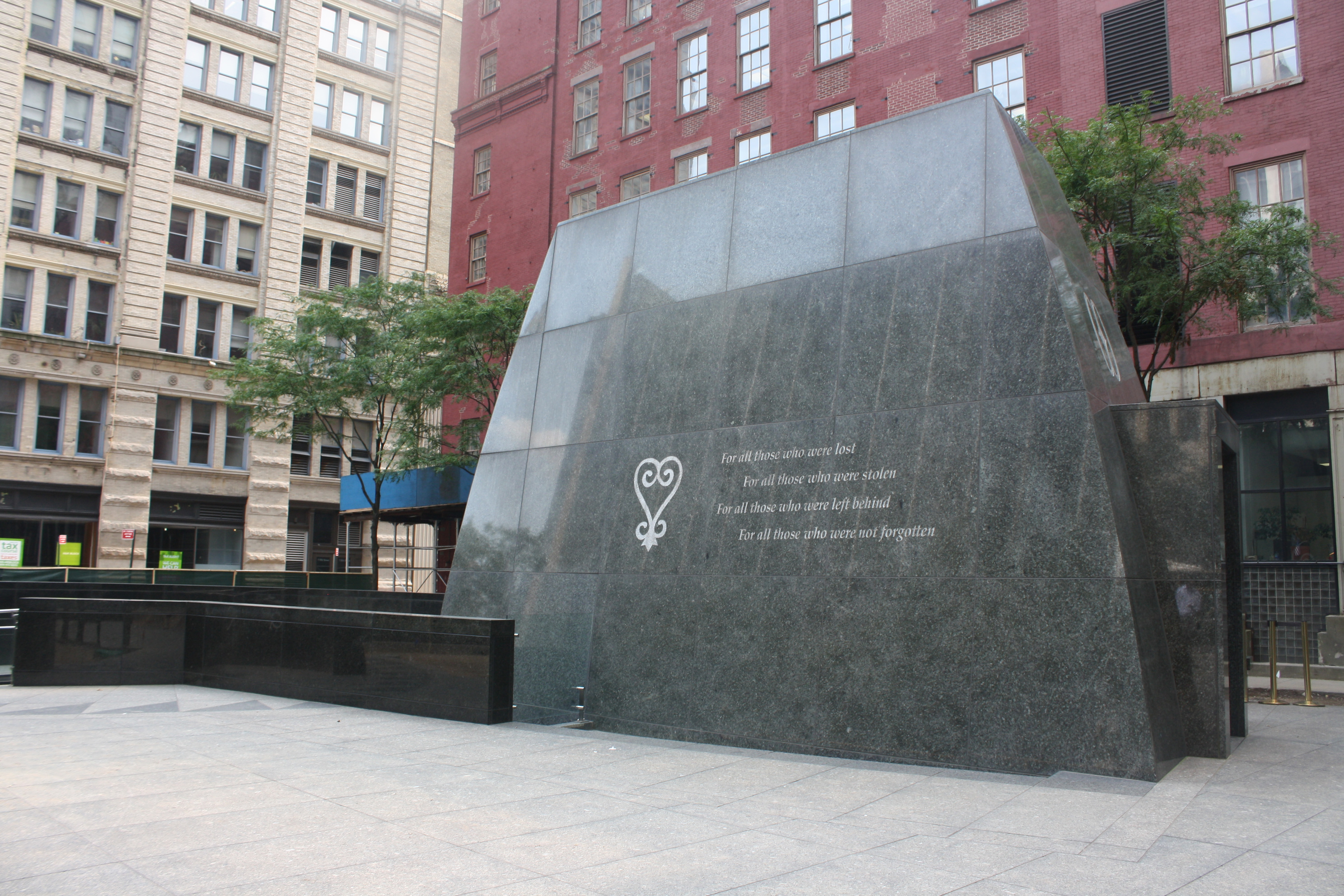
National Monument
African Burial Ground National Monument
The African Burial Ground stands as the oldest and largest known excavated burial site in North America for both free and enslaved Africans. It offers a profound testament to the enduring legacy of African communities whose labor, resilience, and cultural contributions were fundamental in shaping the development of New York.
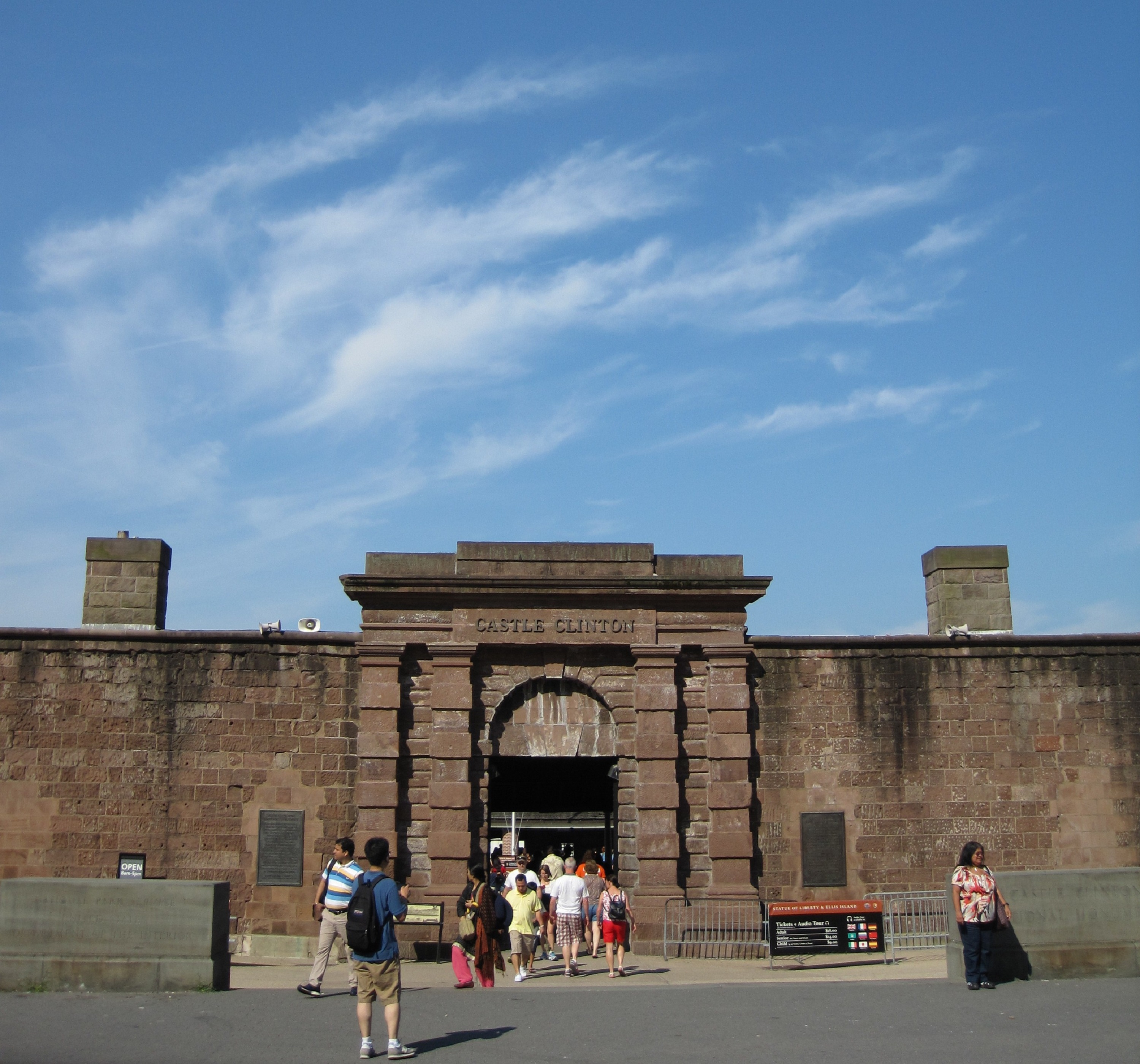
National Monument
Castle Clinton National Monument
Located at the southern tip of Manhattan, Castle Clinton marks the place where New York City began and reflects the growth of both the city and the nation. Built to defend the harbor during the War of 1812, it has since welcomed theatergoers, immigrants, and sightseers—and today continues to greet millions of visitors to New York Harbor.
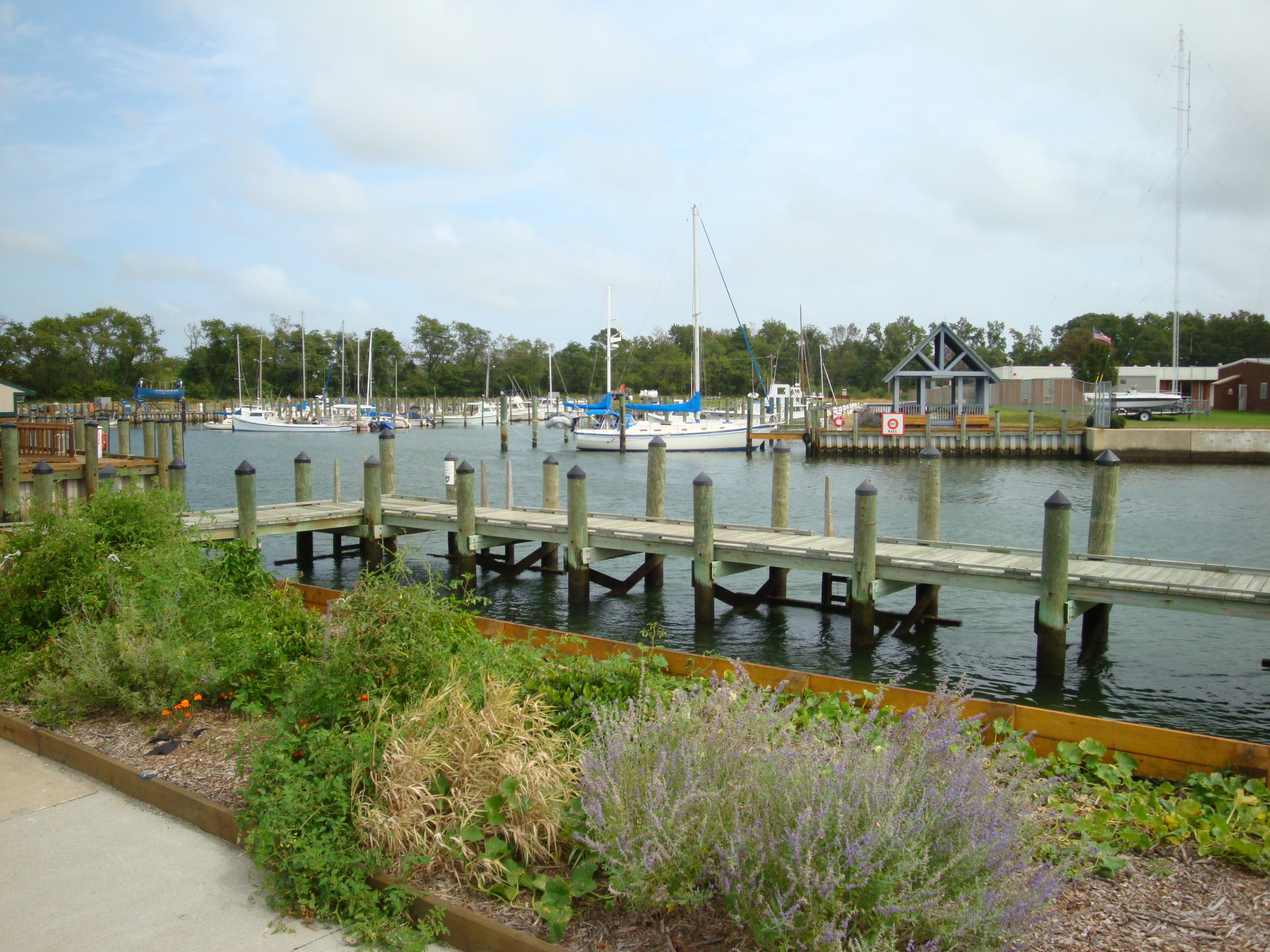
Park
Chesapeake Bay
Over 41 million acres are connected through the waters that flow to and through Chesapeake Bay. The National Park Service strives to connect people to the opportunities and adventures throughout the watershed. Inspiring stewardship across this vast region supports recreation, business, tourism, learning, and a thriving natural resource for all to enjoy.
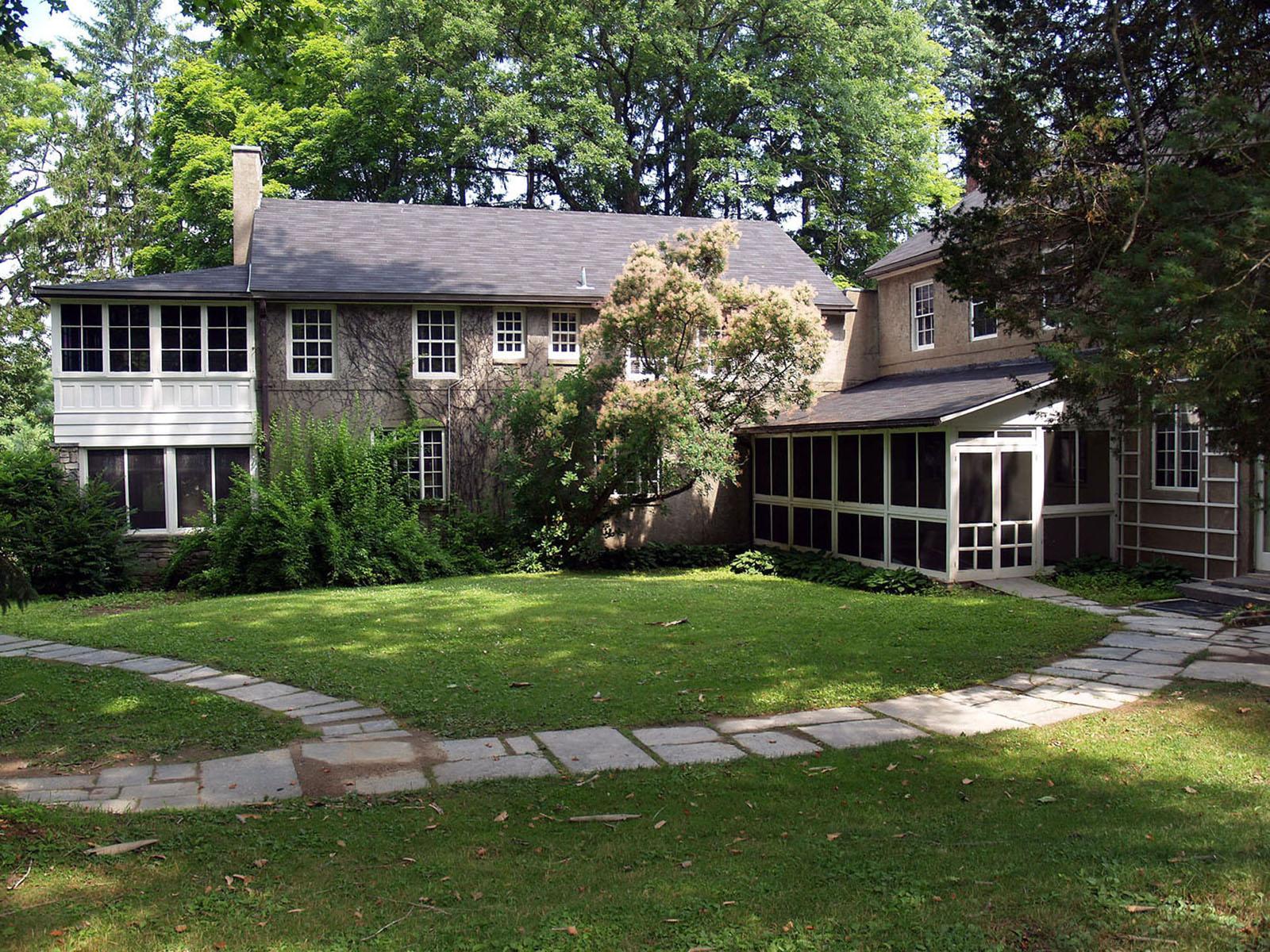
National Historic Site
Eleanor Roosevelt National Historic Site
Visit the home of Eleanor Roosevelt. Here, Franklin and Eleanor entertained friends, the press, activists, and official state visitors in the relaxed atmosphere of Val-Kill. Explore the Roosevelt saga in the homes of Franklin and Eleanor Roosevelt, the exhibits at the nation’s first Presidential Library, and over a thousand acres of gardens and trails.
National Memorial
Federal Hall National Memorial
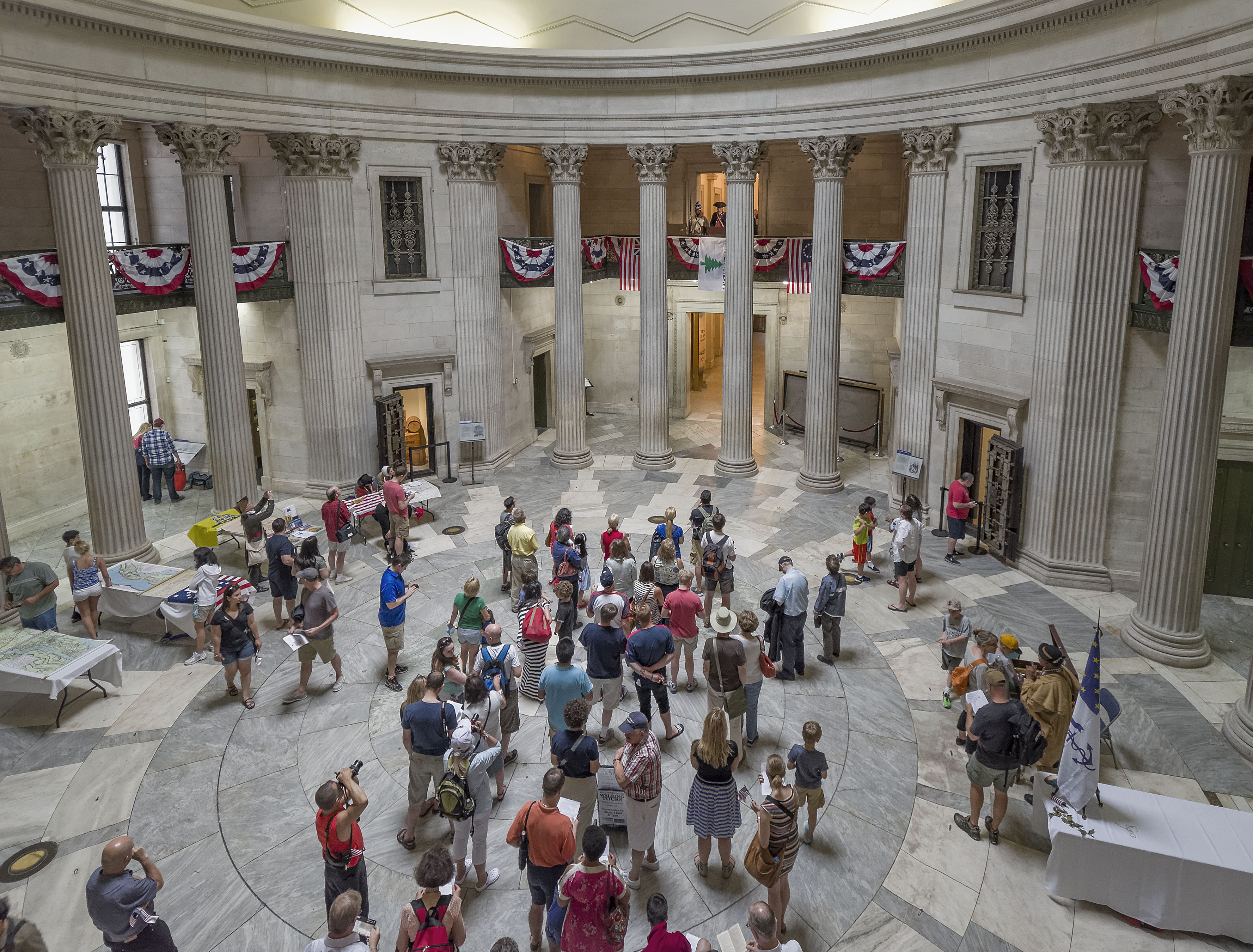
Here at Federal Hall, George Washington took the oath of office as the first President of the United States, marking the beginning of the American constitutional republic. This historic site served as the nation’s first capitol, home to the inaugural Congress, the first Supreme Court, and the earliest offices of the Executive Branch.
National Seashore
Fire Island National Seashore
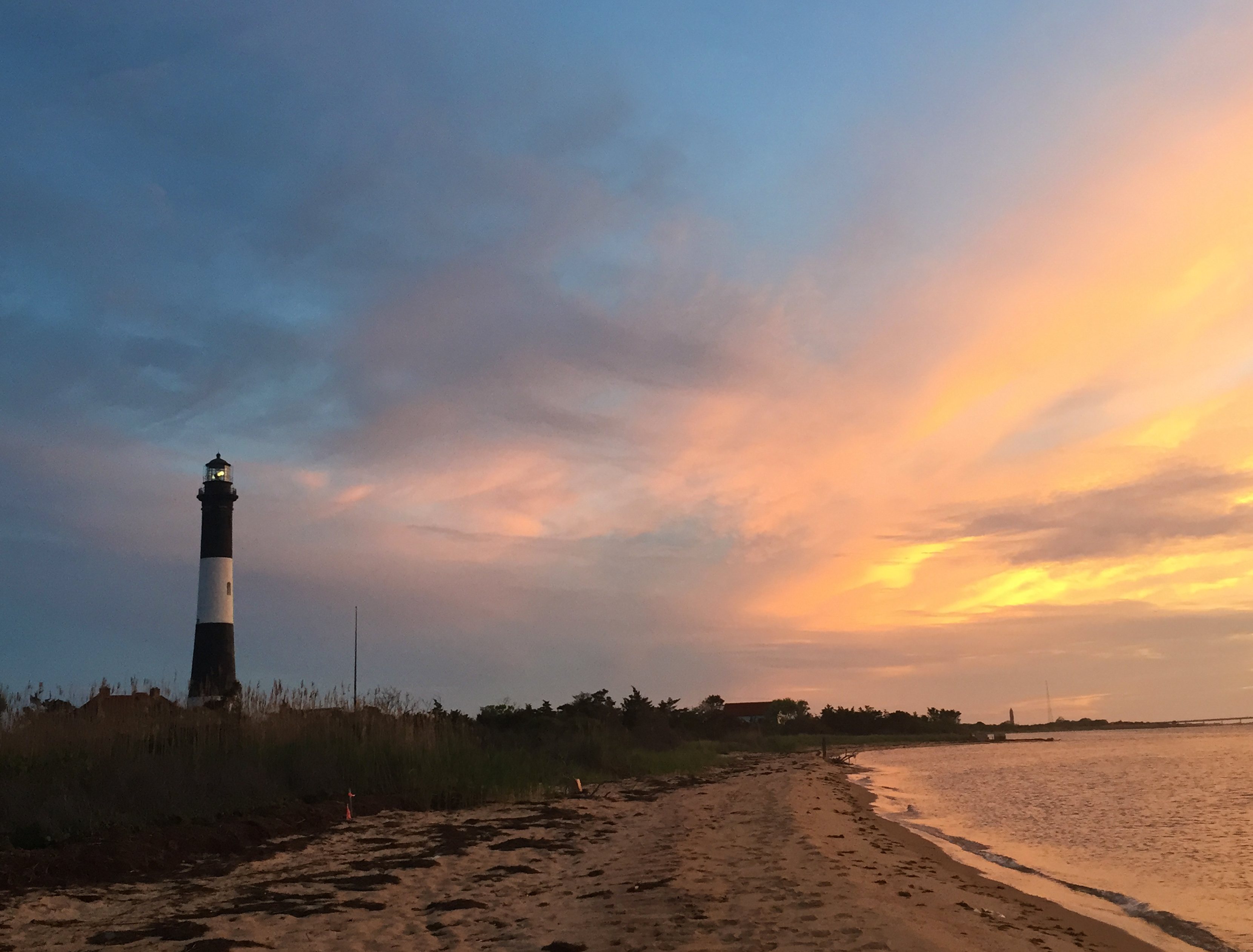
Immerse yourself in an enchanting collage of coastal life and history. Rhythmic waves, high dunes, ancient maritime forests, historic landmarks and glimpses of wildlife, Fire Island has been a special place for diverse plants, animals and people for centuries. Far from the pressure of nearby big-city life, dynamic barrier island beaches offer solitude, camaraderie, and spiritual renewal.
National Monument
Fort Stanwix National Monument
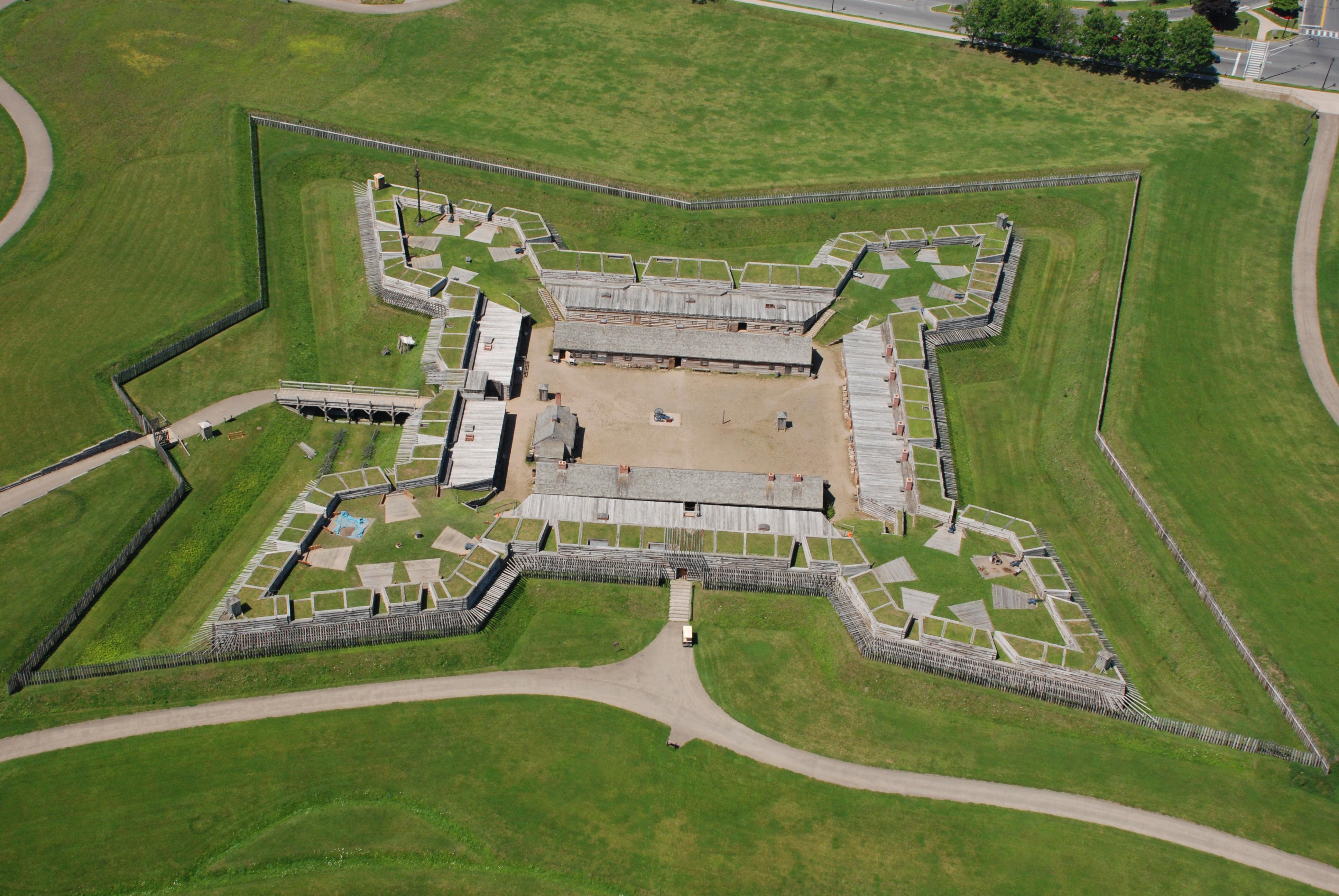
For centuries, the Oneida Carrying Place, a six-mile portage connecting the Mohawk River and Wood Creek, served as a vital link for those traveling by water from the ocean to the Great Lakes. When Europeans arrived, nations fought for control of the carry, the homelands of the Six Nations Confederacy, and the rich resources of North America. In this struggle, Fort Stanwix would play a vital role.
National Recreation Area
Gateway National Recreation Area
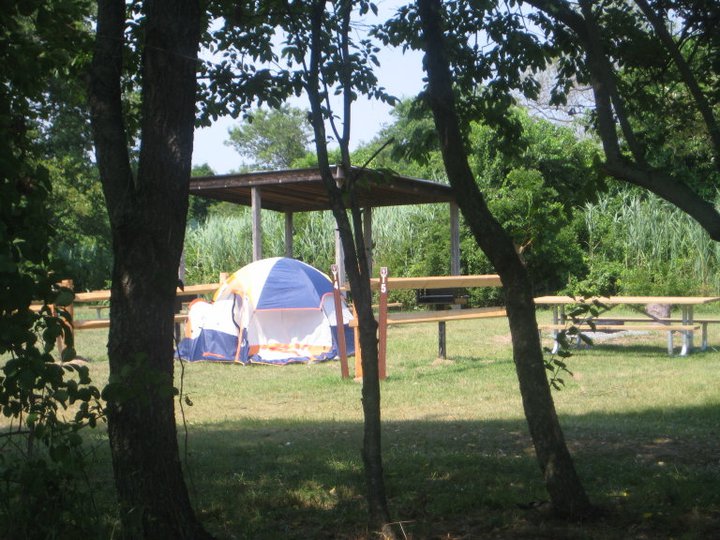
Spanning 27,000 acres from Sandy Hook in New Jersey to Breezy Point in New York City, the park is both the gateway from the ocean into New York Harbor, and the gateway to the National Park Service for millions of visitors every year. Gateway offers green spaces and beaches alongside historic structures and cultural landscapes. Every day, Gateway is open for you to explore, envision, and enjoy!
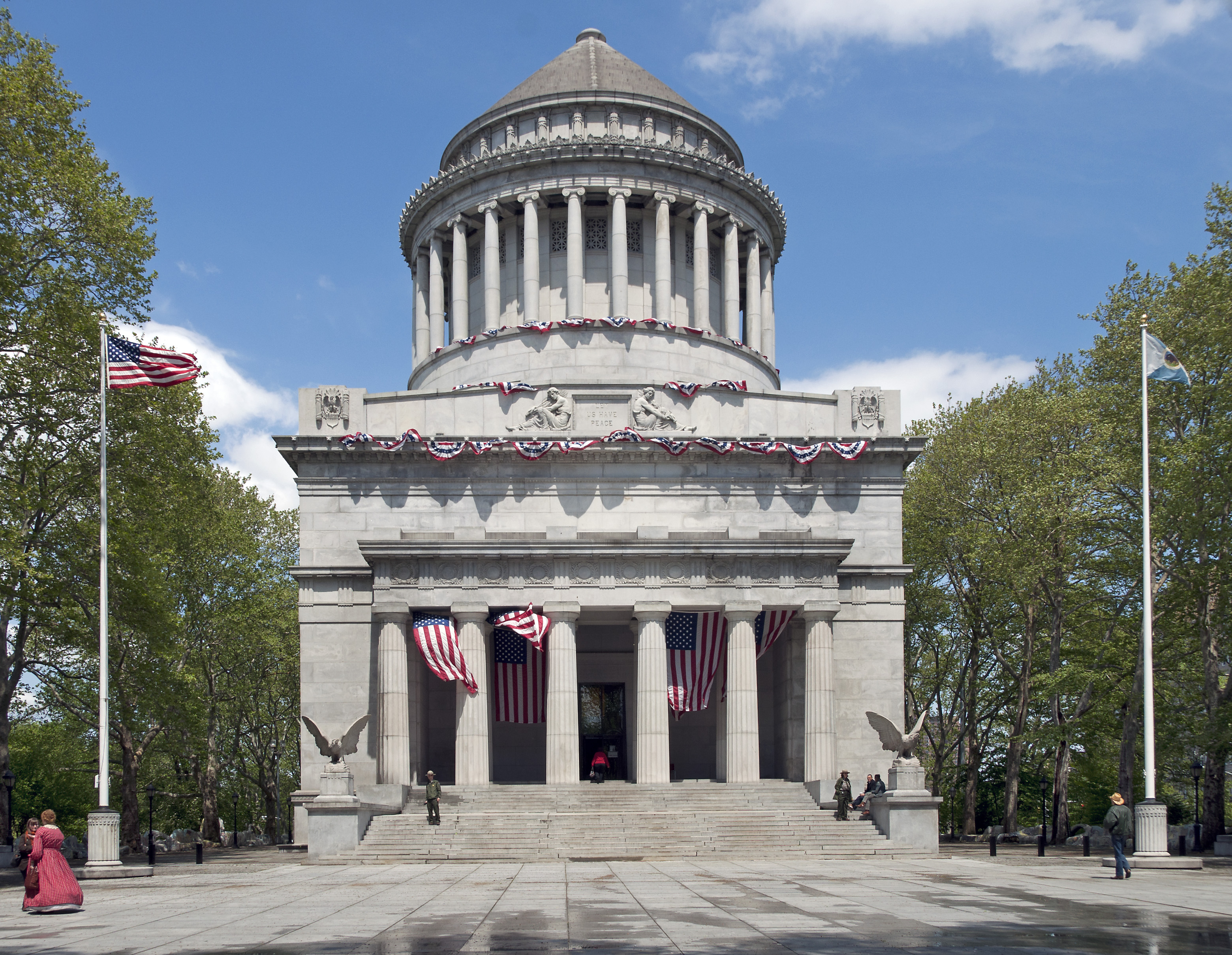
National Memorial
General Grant National Memorial
The final resting place of President Ulysses S. Grant and his wife, Julia, is the largest mausoleum in North America. It testifies to a people’s gratitude for the man who ended the bloodiest conflict in American history as Commanding General of the Union Army and then, as President of the United States, strove to heal a nation after a civil war and make rights for all citizens a reality.
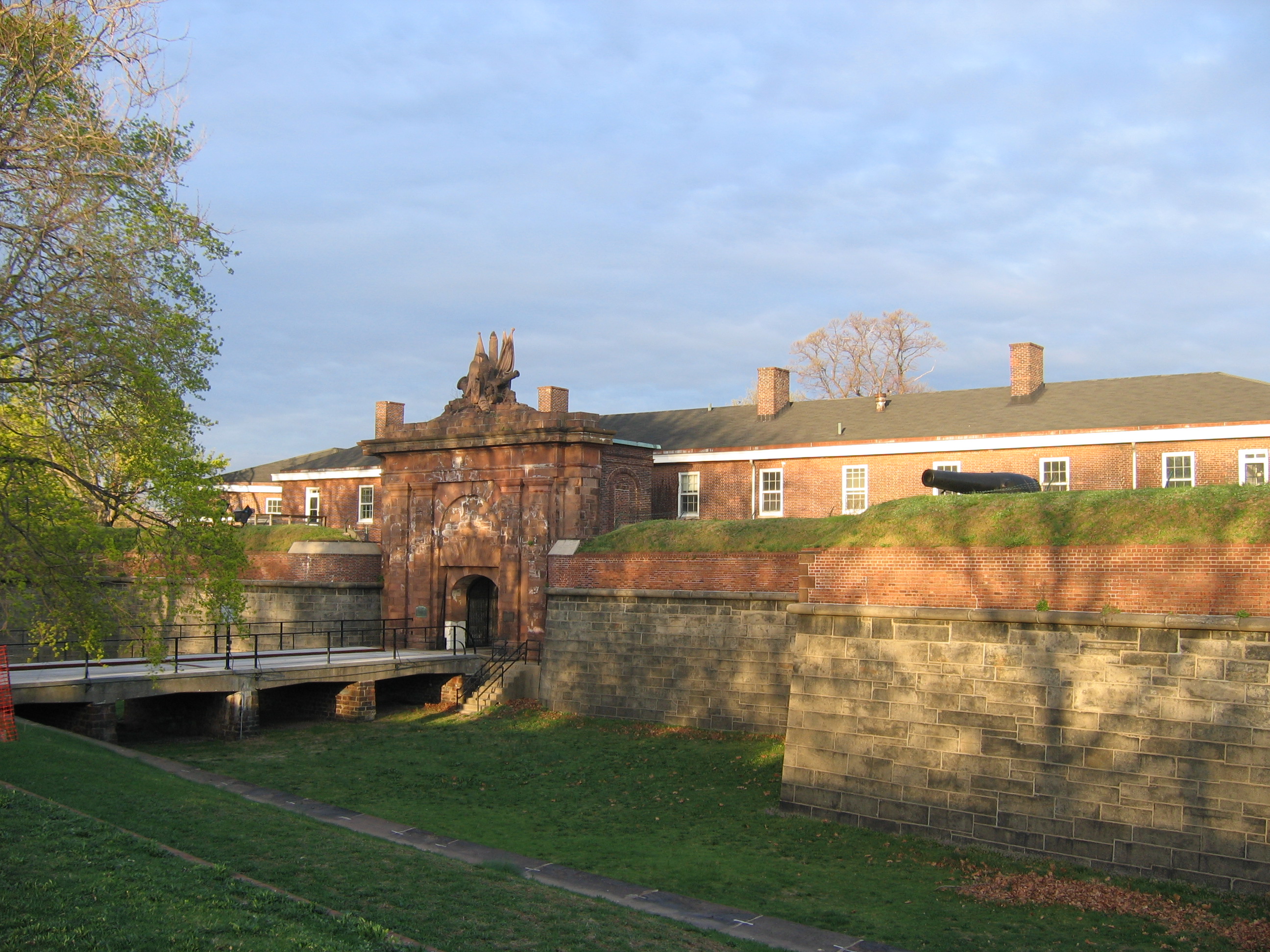
National Monument
Governors Island National Monument
From 1794 to 1966, the U.S. Army presence on Governors Island played a vital role in the social, political, and economic life of New York City. The island then served as the headquarters of the U.S. Coast Guard from 1966 to 1996, continuing its legacy of national service. Today, Governors Island has transformed into a destination for art, culture, and public programs.
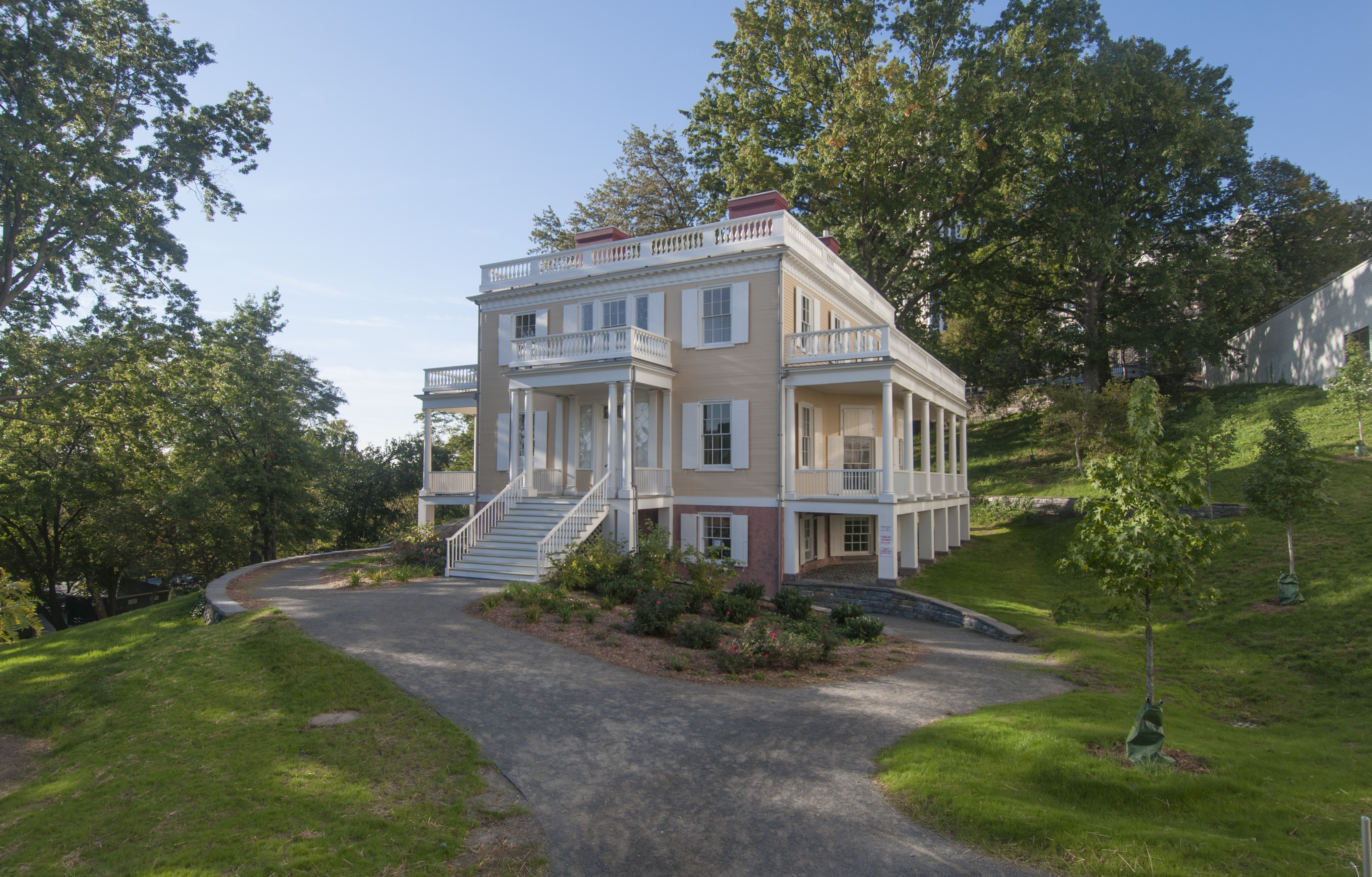
National Memorial
Hamilton Grange National Memorial
Merchant’s clerk, Revolutionary War soldier, first Secretary Treasury of the United States: Alexander Hamilton’s life is memorialized at The Grange, the home he built on a country estate in uptown Manhattan. A faithful testament to early American architecture, it stands today as a tribute to its first owner’s many accomplishments.
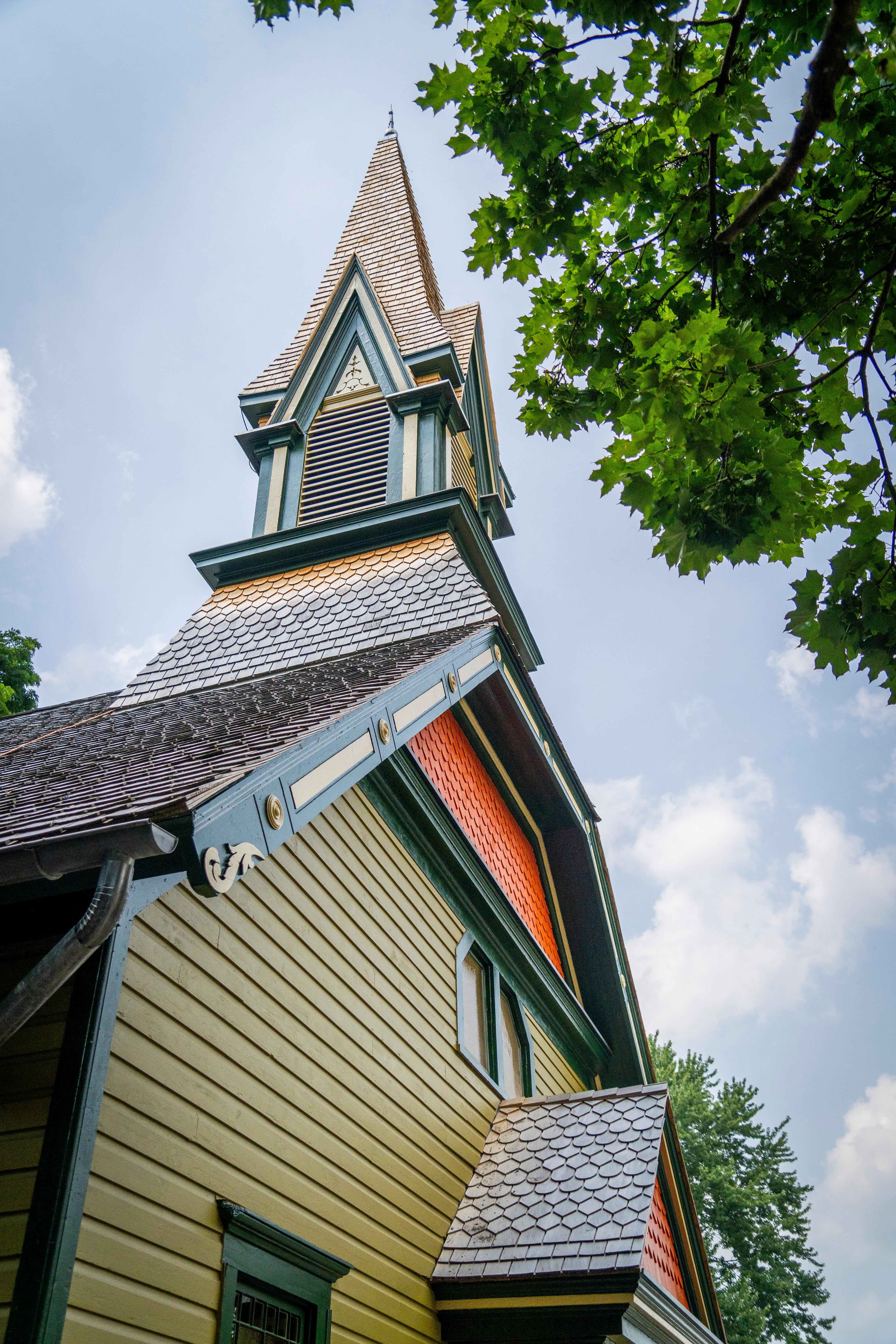
National Historical Park
Harriet Tubman National Historical Park
Harriet Tubman was guided by a deep faith and devotion to family, freedom, and community. After emancipating herself and members of her family, she moved them from Ontario, Canada to Fleming and Auburn, New York in 1859. Central New York was a center for progressive thought, abolition, and women’s suffrage where Tubman continued to fight for human rights and dignity until she died in 1913.
National Historic Site
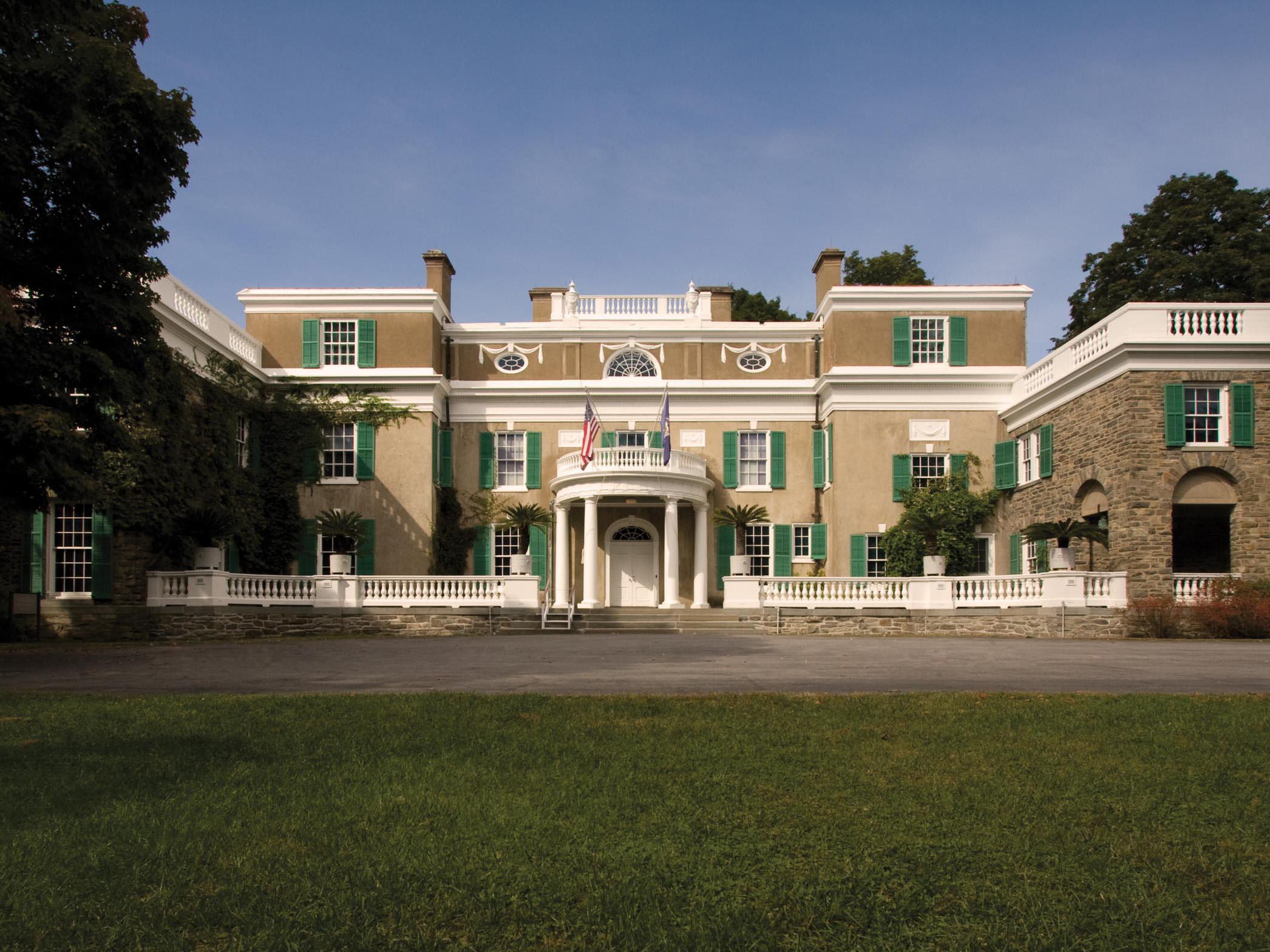
Home Of Franklin D Roosevelt National Historic Site
Home to the 32nd and longest-serving president of the United States, Franklin D. Roosevelt returned to Hyde Park often, drawing on this place to renew his spirit during times of personal and political crisis. Explore the Roosevelt saga in the homes of Franklin and Eleanor Roosevelt, the exhibits at the nation’s first Presidential Library, and over a thousand acres of gardens and trails.
National Historic Site
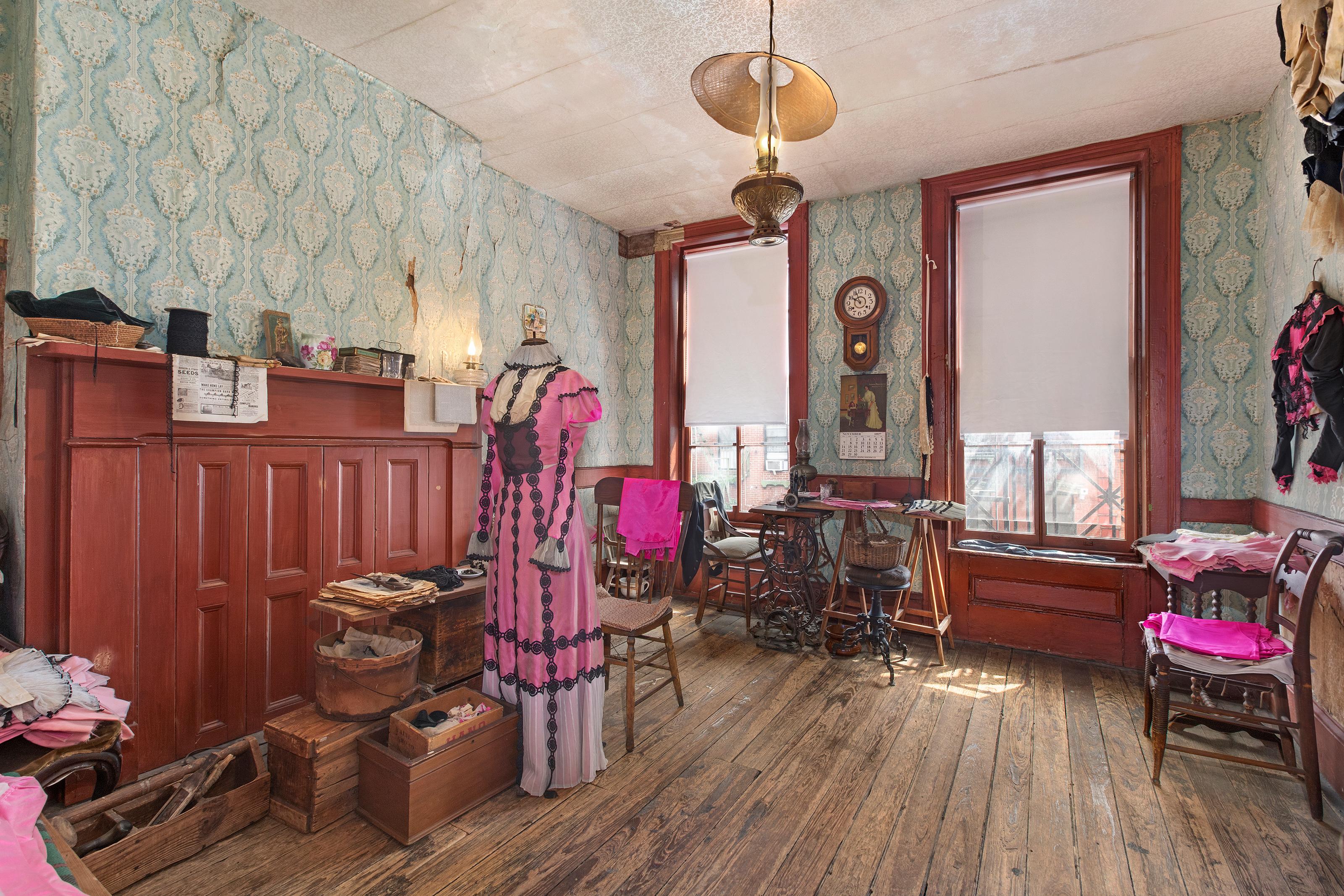
Lower East Side Tenement Museum National Historic Site
The Tenement Museum tells the stories of working-class tenement residents, who moved to New York City from other countries and other parts of the country. Their work helped build the city and nation, and their stories help us understand our history. The museum shares these stories through guided tours of recreated tenement apartments, neighborhood walking tours, and virtual tours and programs.
National Historic Site
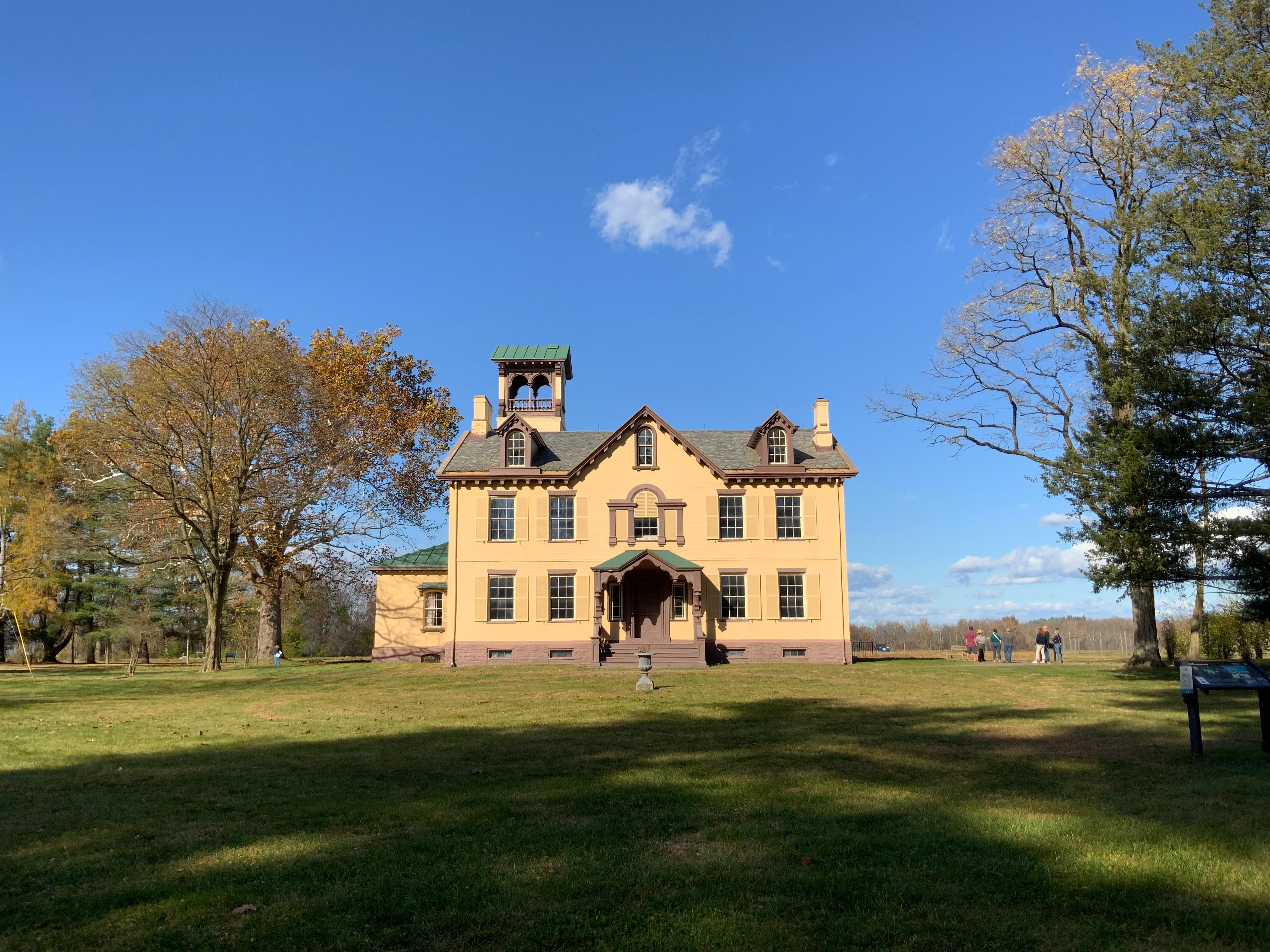
Martin Van Buren National Historic Site
Born in Kinderhook, New York, in 1782, Martin Van Buren was the first president born a US citizen. His life spanned the American Revolution to the Civil War and was shaped by the most important issues of the era: US expansionism and the removal of Indigenous people, states’ rights, and slavery. This historic landscape invites reflection on the many lives and legacies woven into its past.
Park
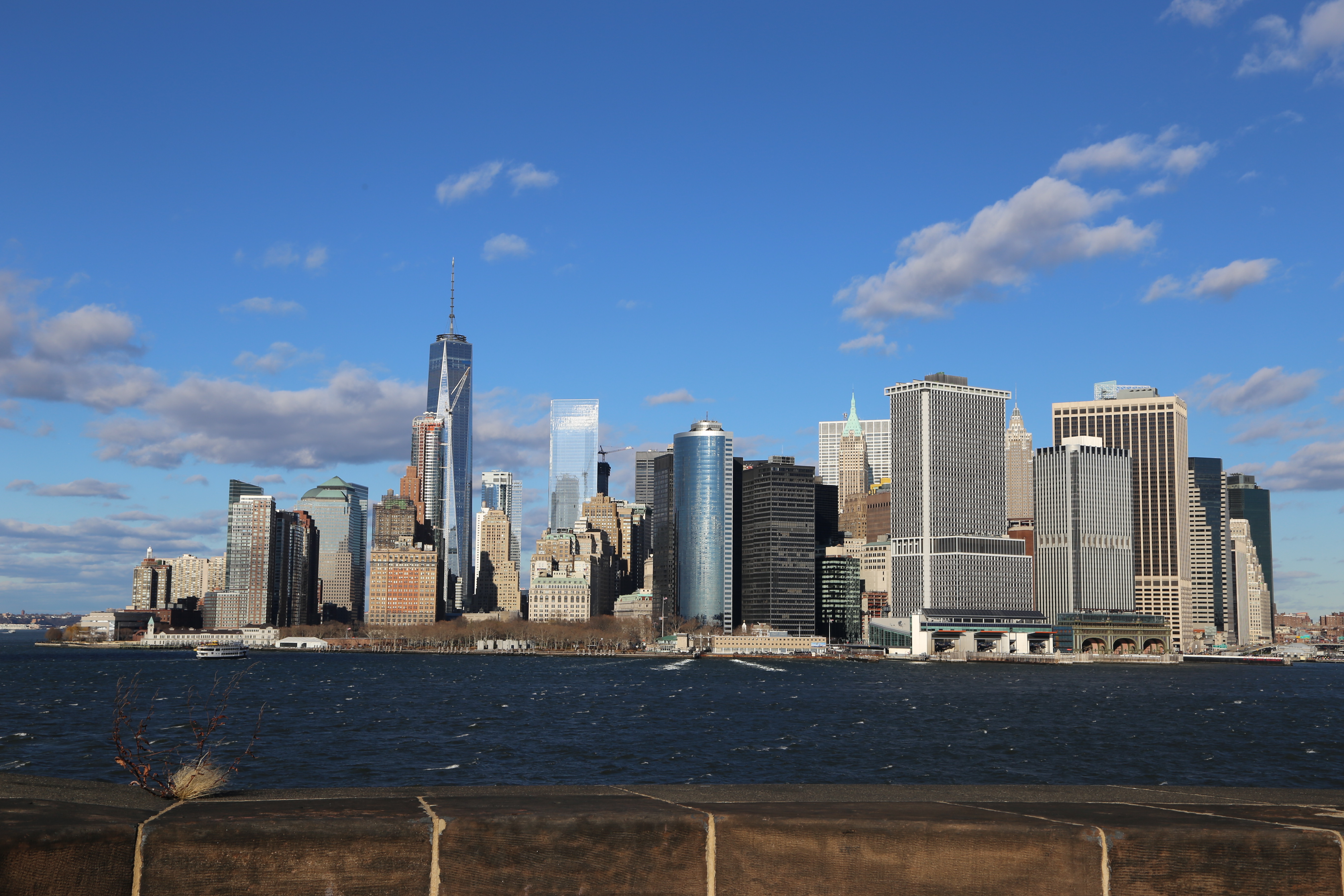
National Parks of New York Harbor
These 12 sites preserve more than 400 years of American history! We invite you to explore the past and investigate its relevance in our lives today. From the birth of American democracy to the evolution of commerce, harbor defense, ecology and immigration, the breadth of themes commemorated through the National Parks of New York Harbor reflect the richness and diversity of our heritage.
National Historic Site
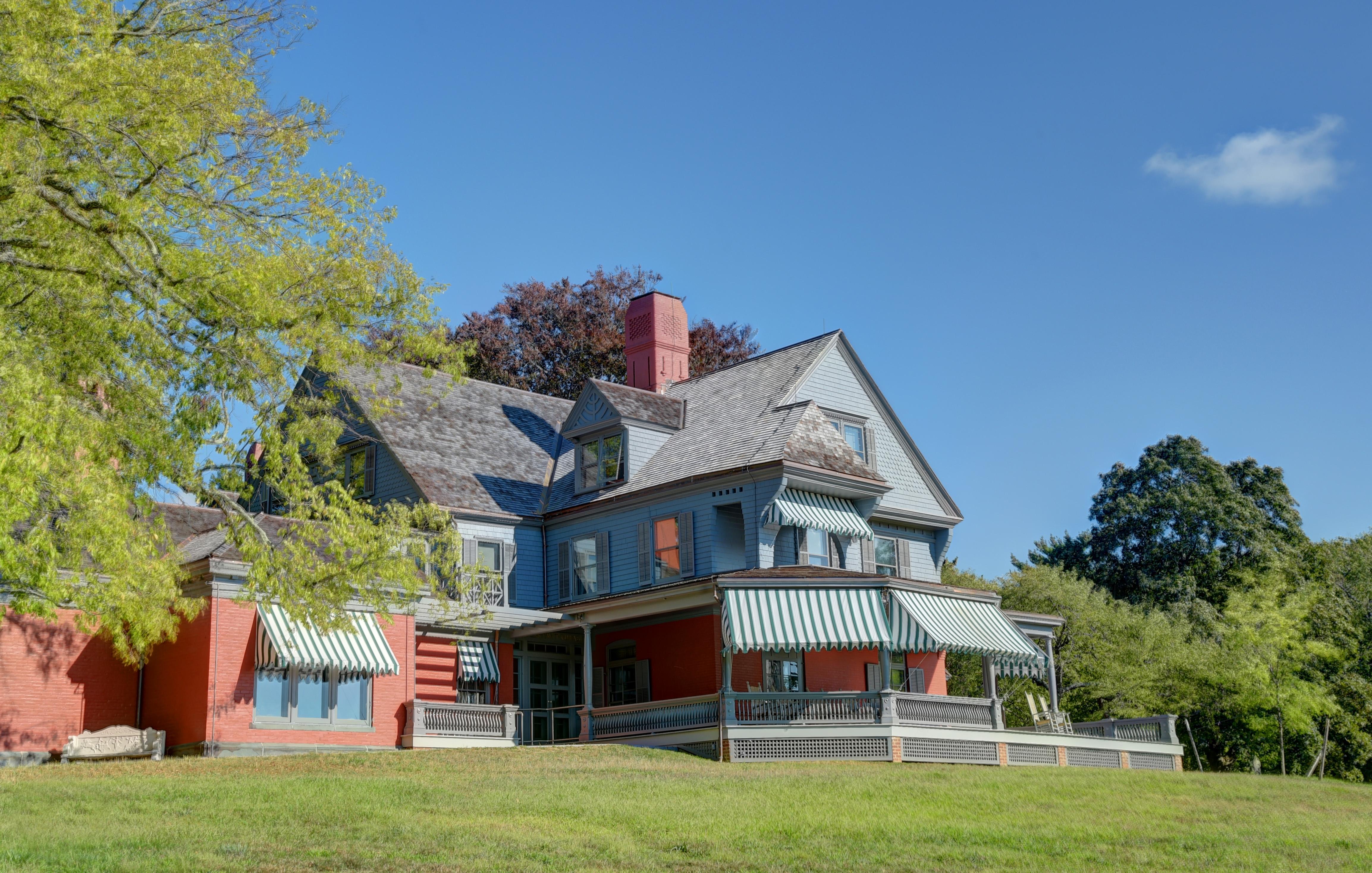
Sagamore Hill National Historic Site
Sagamore Hill was the home of Theodore Roosevelt, 26th President of the United States, from 1885 until his death in 1919. During Roosevelt's time in office, his "Summer White House" was the focus of international attention. Explore 83 acres of natural surroundings, historic buildings and trails to become inspired by the legacy of one of America's most popular presidents.
National Historic Site
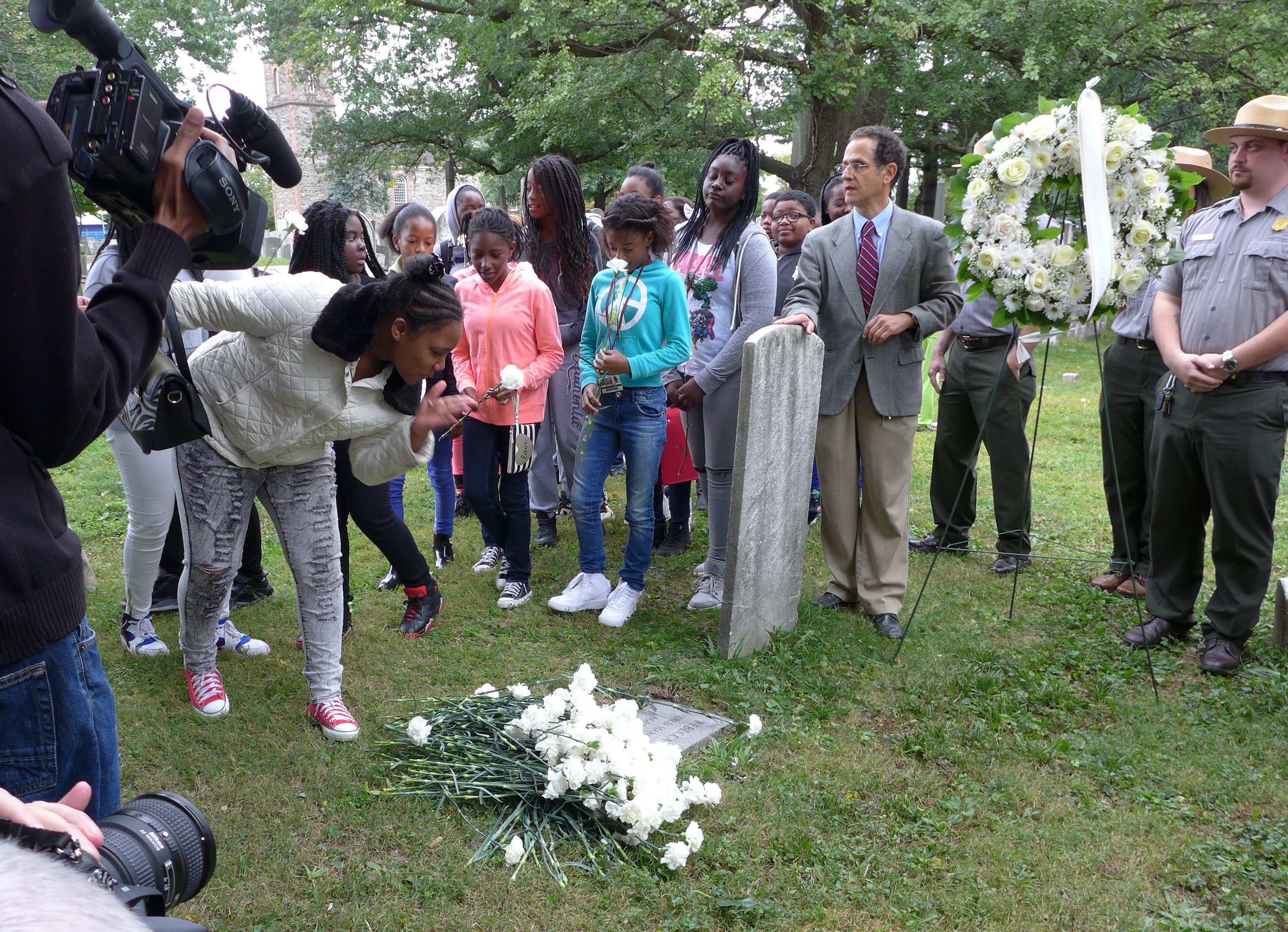
Saint Paul's Church National Historic Site
Since 1665, Saint Paul's Church played a vital role in the colonial life of Eastchester, 20 miles north of New York City. Townspeople voted at the nearby Village Green; local militia drilled outside its doors. But the American Revolution changed everything. American, British and Hessian troops tore down the old wooden meetinghouse for firewood and used the unfinished stone chapel as a hospital.
National Historical Park
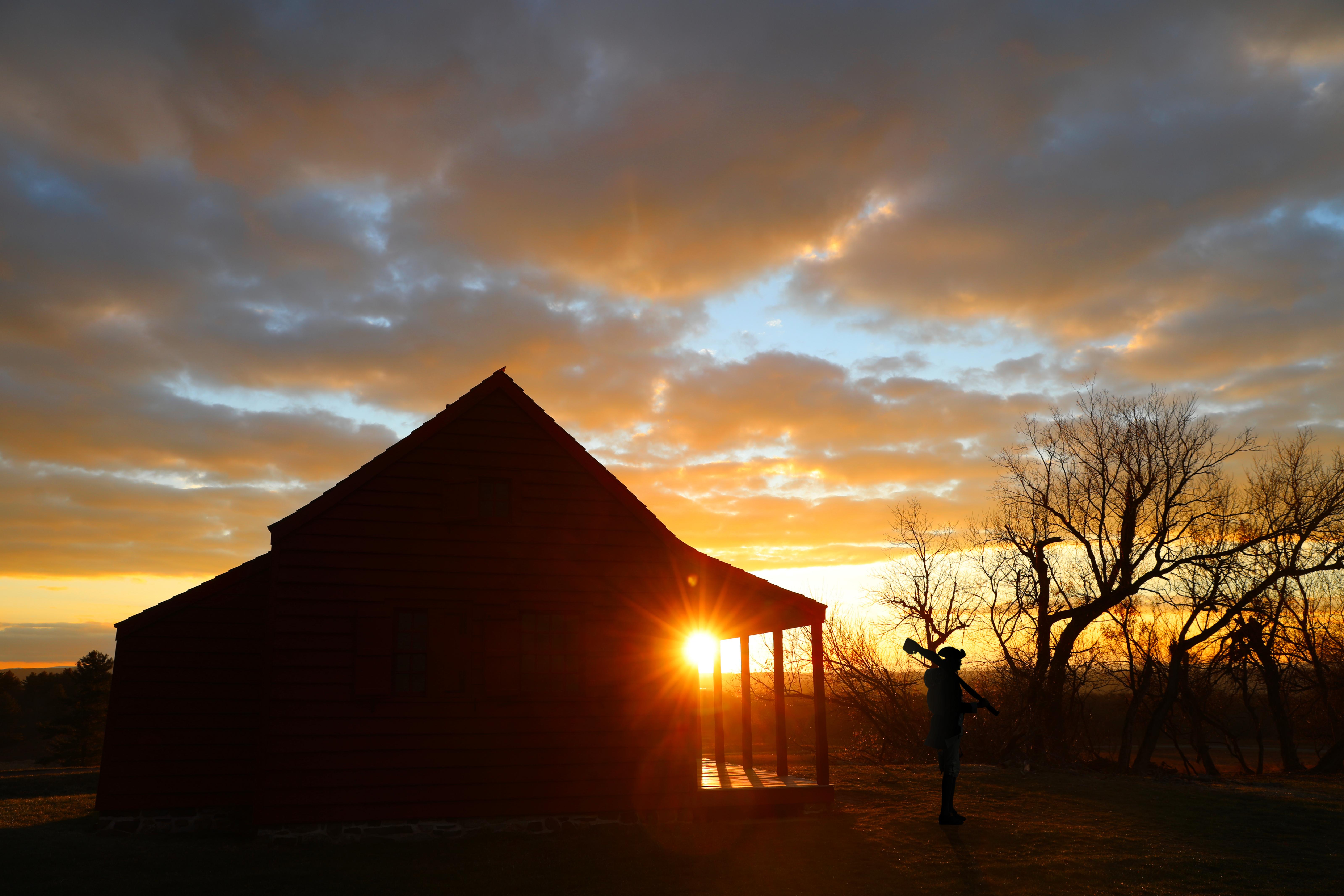
Saratoga National Historical Park
In 1777, a large British invasion force met an equally large American army here at Saratoga. After two intense battles, an eight-mile retreat, and a three-day siege, British General John Burgoyne surrendered his entire force. This first ever surrender of a British Army is one of the pivotal moments in determining the outcome of the Revolutionary War, forever changing the future of the world.
National Monument
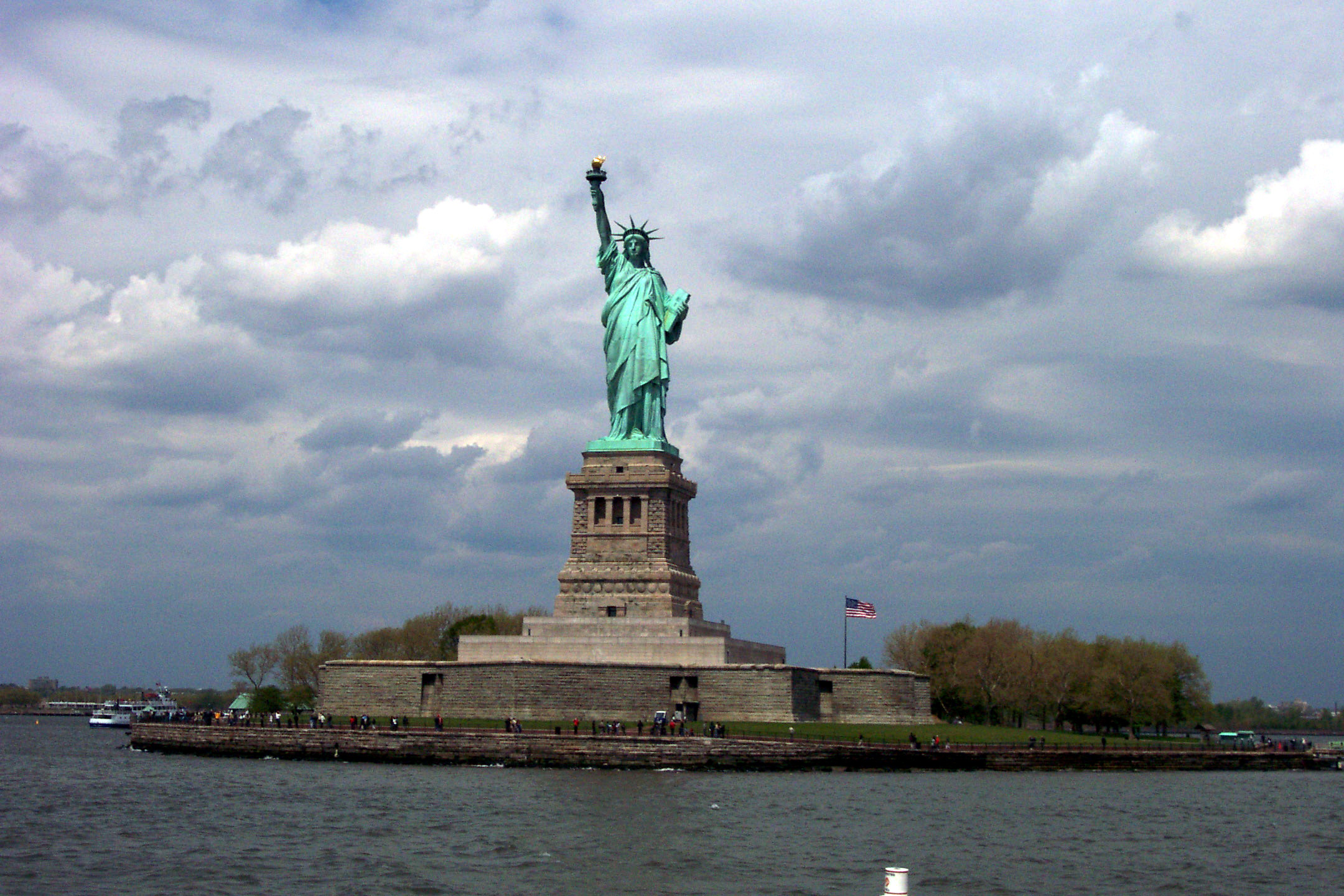
Statue Of Liberty National Monument
A gift of friendship from the people of France to the United States "The Statue of Liberty Enlightening the World" is recognized as a universal symbol of freedom and democracy. It was dedicated by President Grover Cleveland on October 28, 1886. Designated as a National Monument in 1924, employees of the National Park Service have been caring for the Statue of Liberty since 1933.
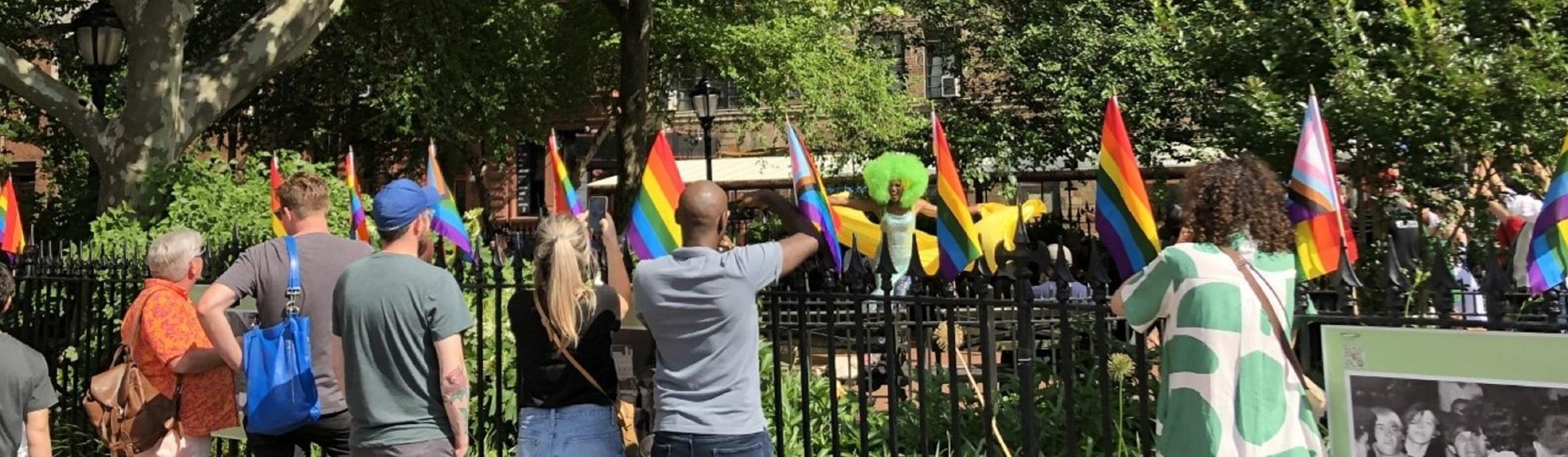
National Monument
Stonewall National Monument
Before the 1960s, almost everything about living authentically as a lesbian, a bisexual person or a gay man was illegal. The Stonewall Uprising on June 28, 1969 is a milestone in the quest for civil rights and provided momentum for a movement.
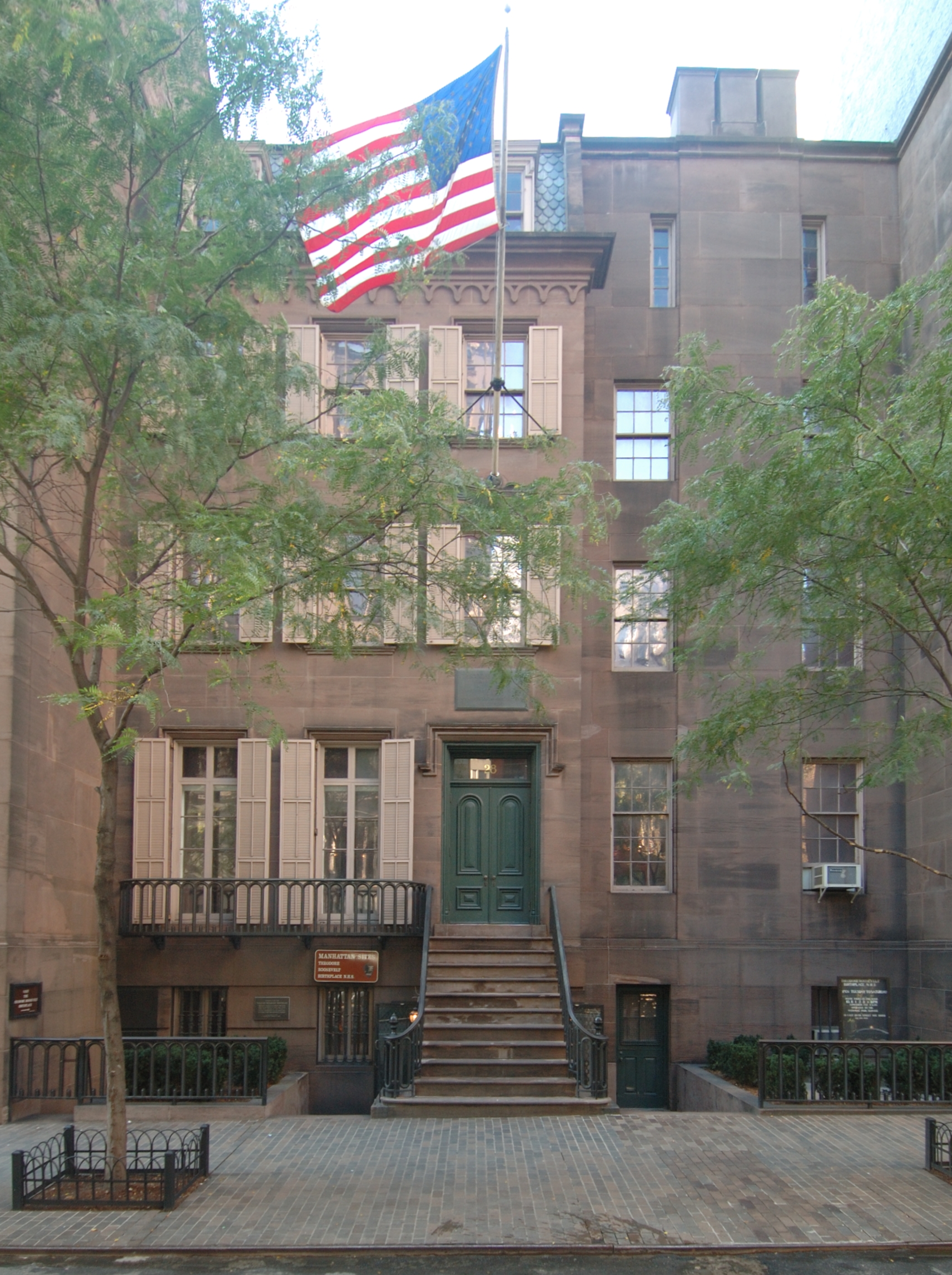
National Historic Site
Theodore Roosevelt Birthplace National Historic Site
This is the boyhood home of the first U.S. president to be born in New York City. Raised in a townhouse at 28 E. 20th St., Theodore Roosevelt would grow up to be our 26th President and become immortalized on Mount Rushmore. However, he started life as a sickly yet bright boy who exercised to improve his health and began a lifelong passion for the "strenuous life."
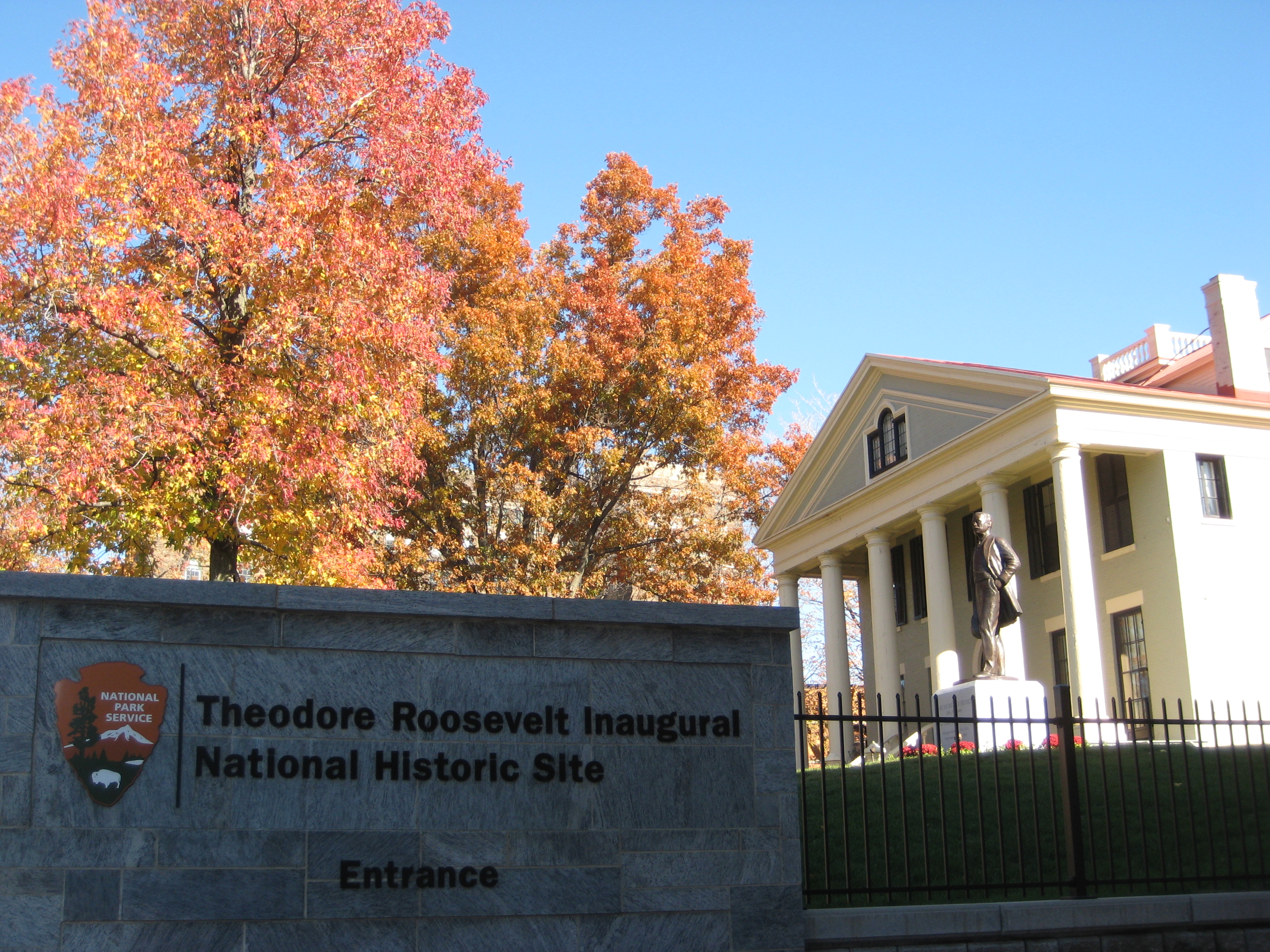
National Historic Site
Theodore Roosevelt Inaugural National Historic Site
As president, Theodore Roosevelt created protections for ordinary citizens, began regulation of big business, and made the US a major force in international affairs. Yet one of the most important presidencies in America's history nearly didn't happen. See the place where a brief, emotional, and improvised ceremony in Buffalo, NY brought TR into office, and forever altered the nation.
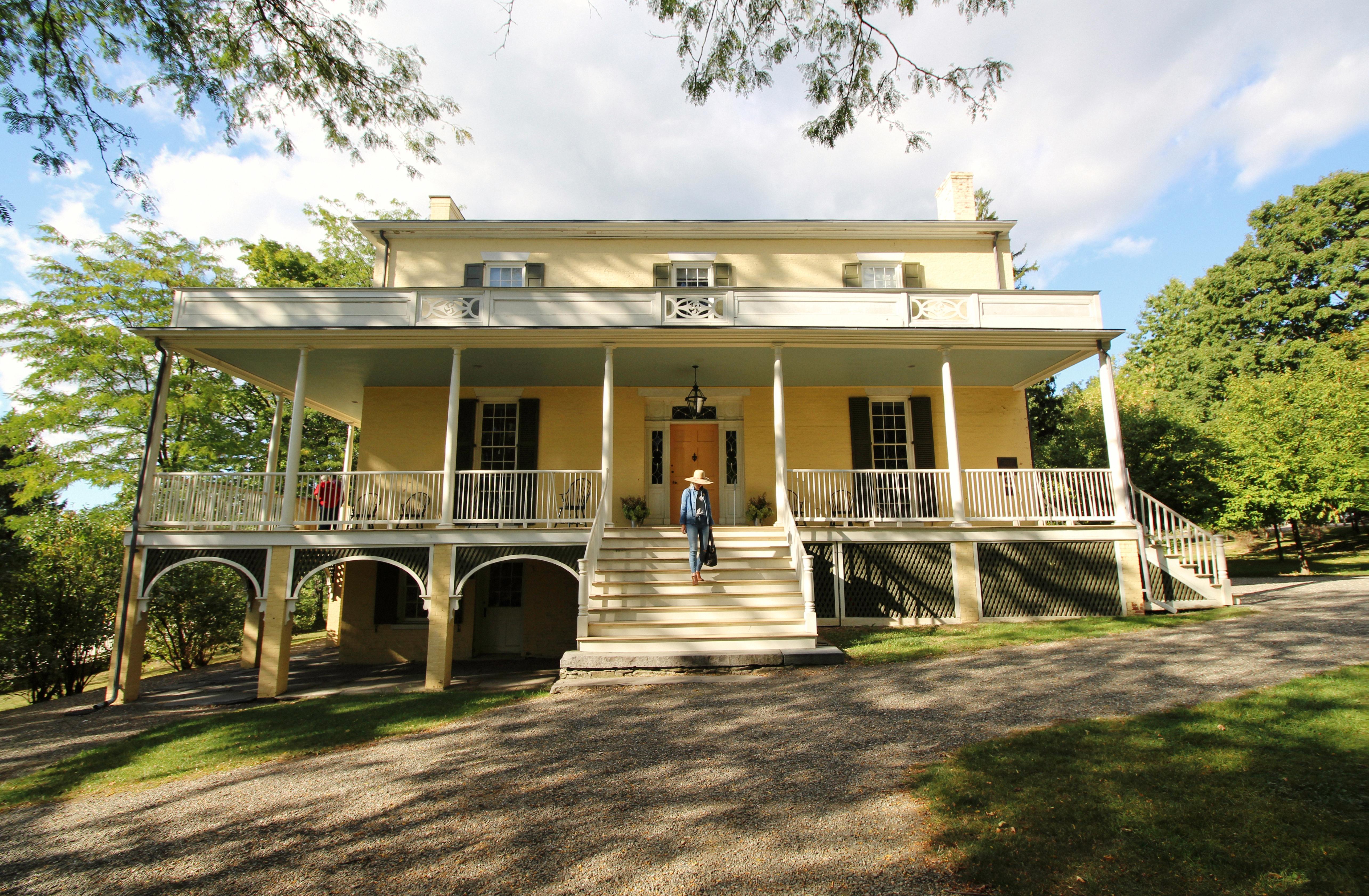
National Historic Site
Thomas Cole National Historic Site
In 1825, America was still a new nation, just forming its own unique identity and traditions. Thomas Cole invented a new style of art, one that Americans could call their own. His landscape paintings launched the art movement known as the Hudson River School. His groundbreaking achievements took place here in Catskill, New York -- in the "peaceful shades" of his beloved home, Cedar Grove.
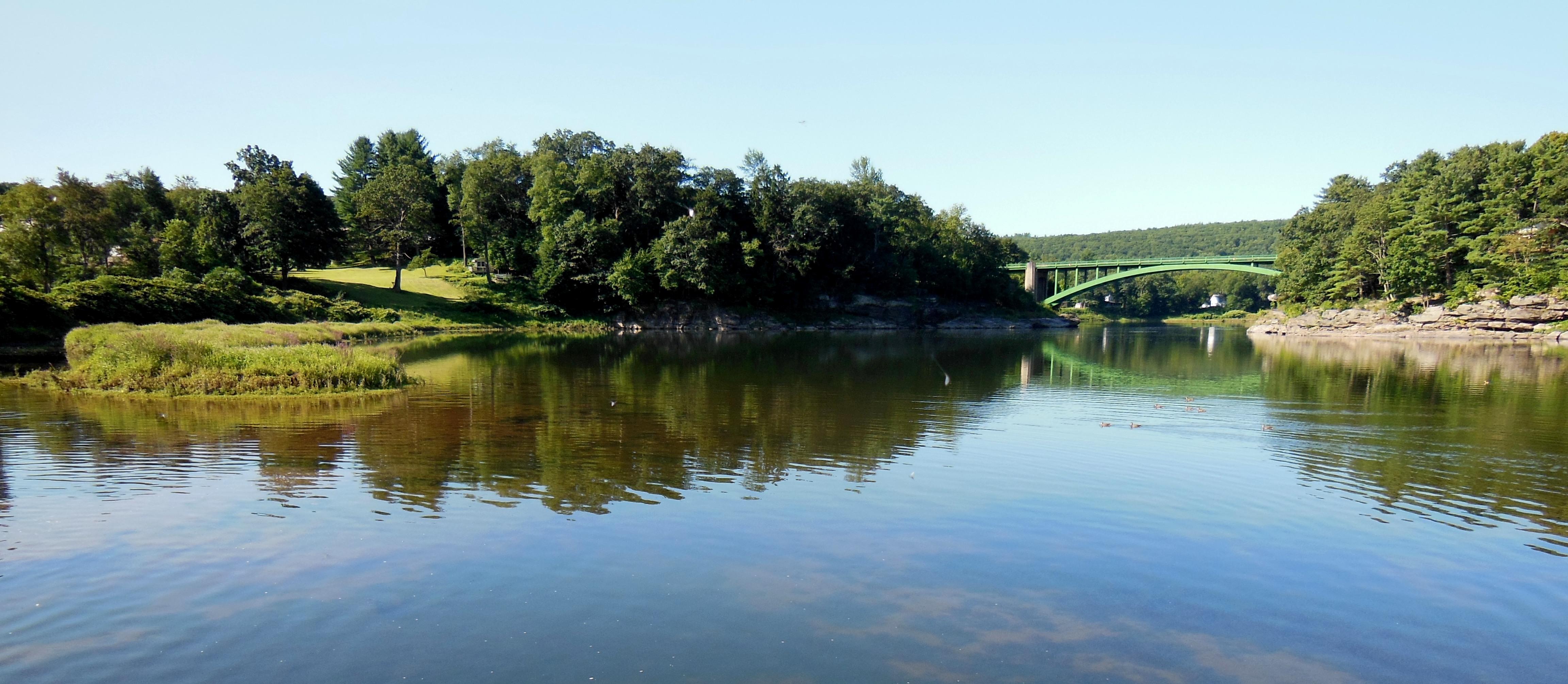
Scenic & Recreational River
Upper Delaware Scenic & Recreational River
Canoe through rapids and quiet pools as the Delaware River winds its way through a valley of swiftly changing scenery or fish amid rolling hills and riverfront villages in one of the finest fishing rivers in the northeastern United States. The clean water of the Delaware, the last major undammed river in the eastern United States, supports a healthy ecosystem and offers tranquility and excitement.
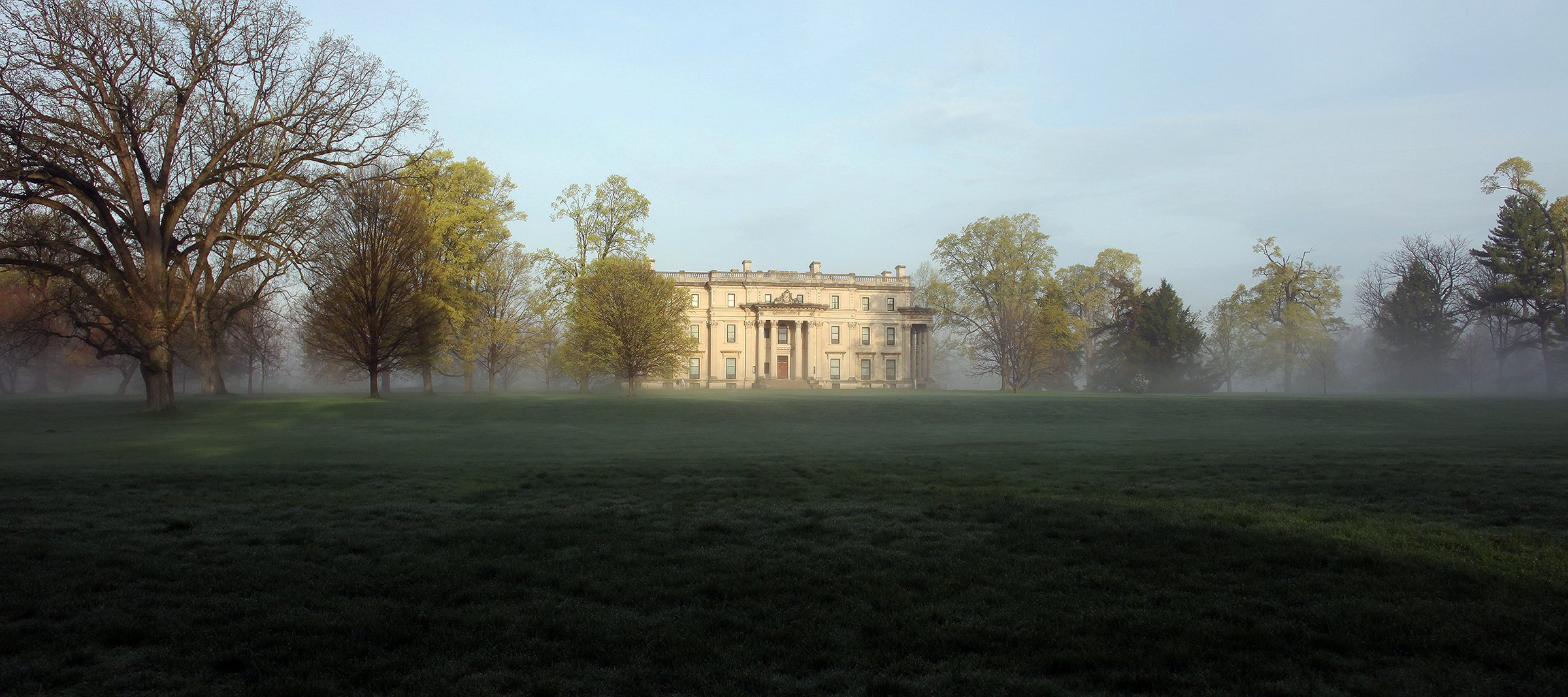
National Historic Site
Vanderbilt Mansion National Historic Site
Built by of one of the first families of wealth in America. Designed by one of the nation's preeminent architects. The Vanderbilt Mansion is a home built expressly for the aristocratic lifestyle.
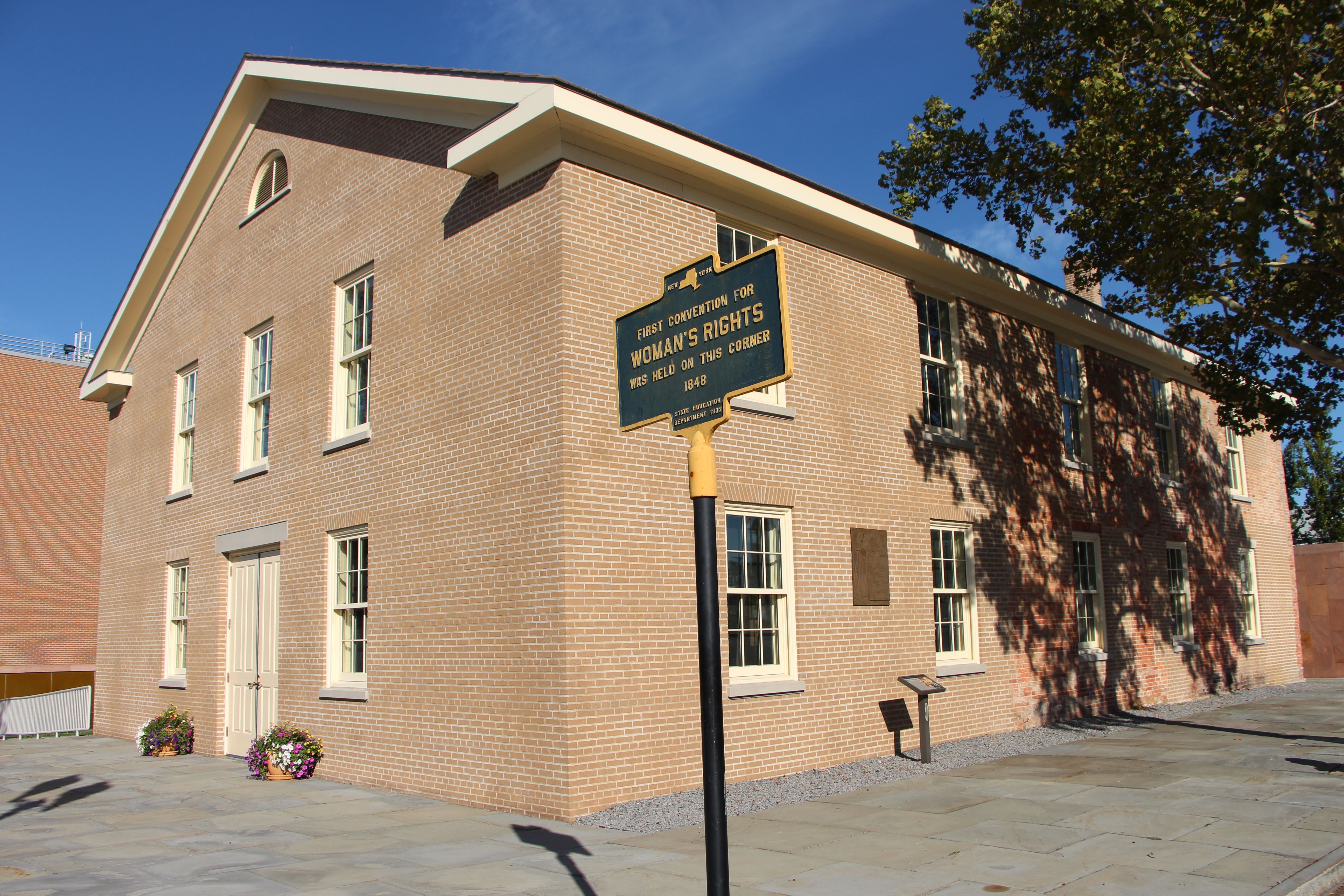
National Historical Park
Women's Rights National Historical Park
Women’s Rights National Historical Park tells the story of the first Women’s Rights Convention, held in Seneca Falls, New York on July 19-20, 1848. It is a story of struggles for civil rights, human rights, and equality, global struggles that continue today. The efforts of women’s rights leaders, abolitionists, and other 19th century reformers remind us that all people must be accepted as equals.